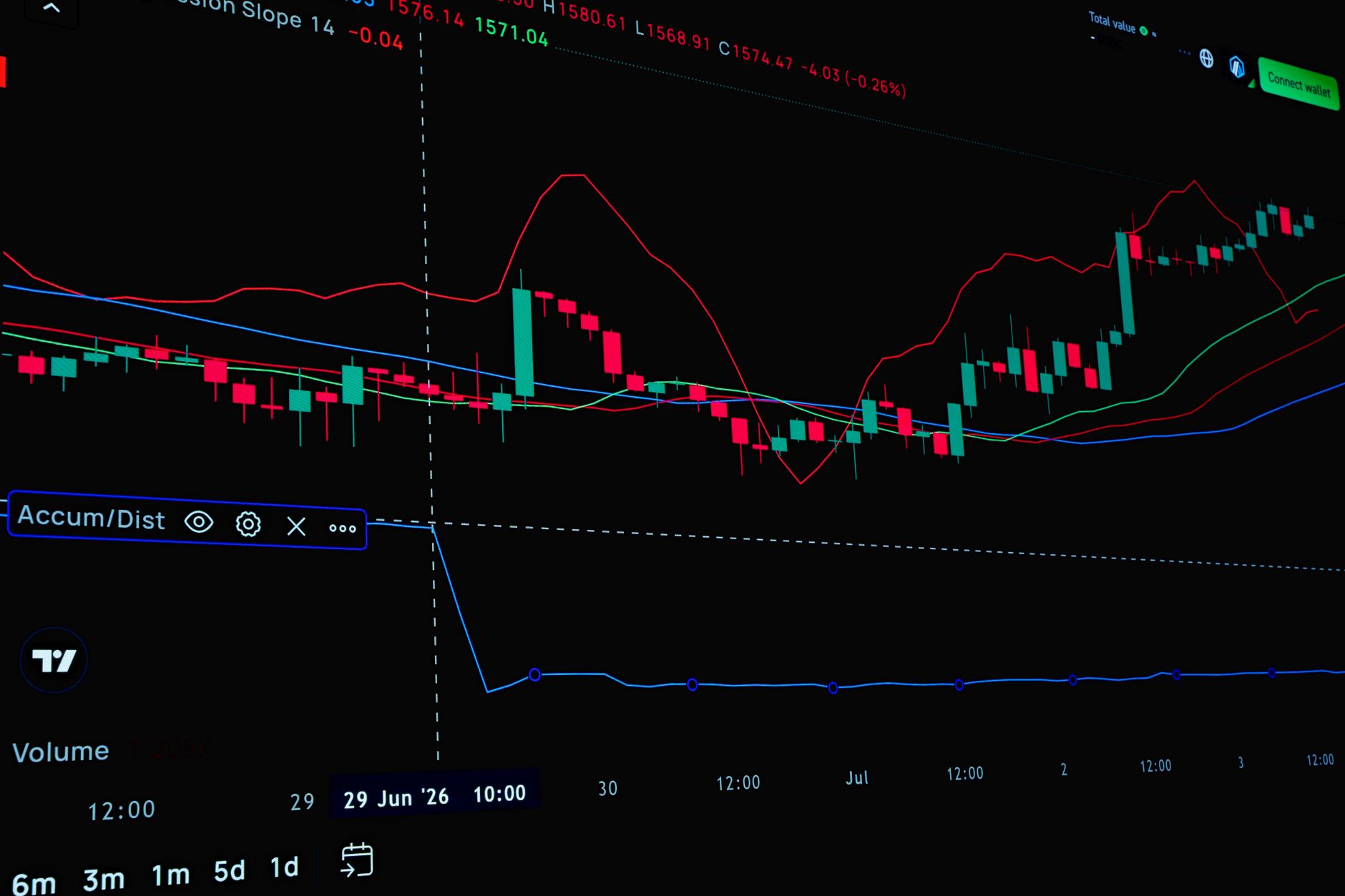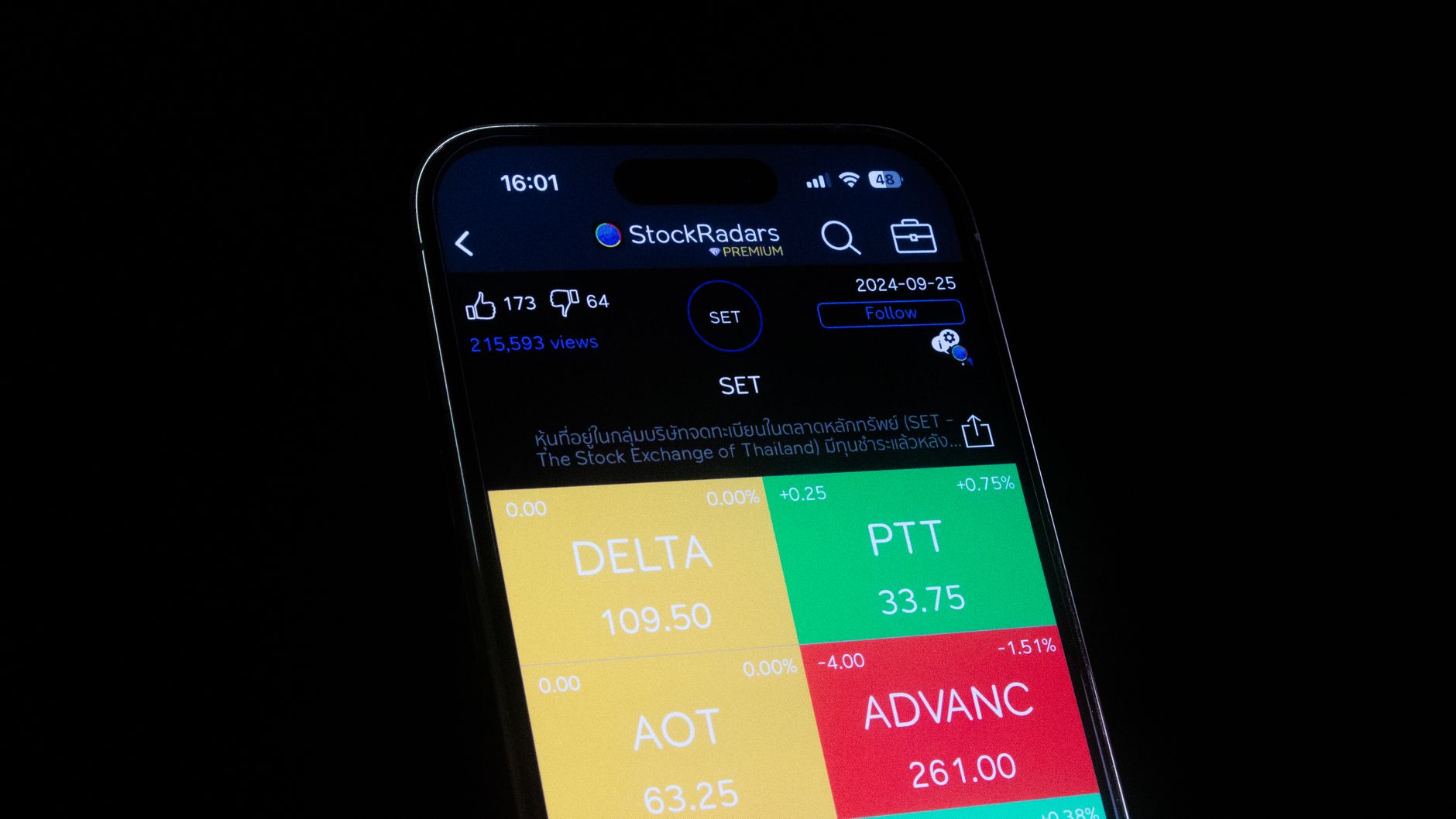
Indian stock markets experienced a turbulent trading session today, with benchmark indices recording substantial losses. The BSE Sensex tumbled more than 900 points while the NSE Nifty50 closed below the psychologically important 23,800 level, leaving investors concerned about near-term market direction.
Such steep declines rarely occur in isolation. Market crashes typically result from a confluence of factors that shake investor confidence and trigger widespread selling. Understanding these underlying causes can help investors navigate volatile periods and make informed decisions about their portfolios.
Global Economic Uncertainties
International markets have been experiencing heightened volatility due to concerns about global economic growth. When major economies show signs of slowing down, it creates a ripple effect across emerging markets like India. Foreign institutional investors often reduce their exposure to riskier assets during such periods, leading to significant capital outflows from Indian equities.
Central bank policies in developed nations also play a crucial role. If major central banks maintain higher interest rates for extended periods or signal hawkish monetary stances, it makes bonds and other fixed-income instruments more attractive compared to equities, prompting investors to reallocate their portfolios.
Domestic Economic Indicators
Recent economic data releases may have disappointed market participants. Key indicators such as GDP growth figures, industrial production numbers, or inflation data can significantly impact market sentiment when they deviate from expectations. Weaker-than-anticipated economic performance raises questions about corporate earnings growth potential.
Additionally, concerns about consumption patterns, particularly in urban and rural markets, can weigh on investor sentiment. Consumer spending drives a significant portion of economic activity, and any signs of slowdown can affect multiple sectors simultaneously.
Corporate Earnings Concerns
The ongoing quarterly earnings season often serves as a reality check for market valuations. If major companies report earnings that fall short of analyst estimates or provide cautious guidance for upcoming quarters, it can trigger broad-based selling. Investors may reassess their expectations for profit growth and adjust their valuations accordingly.
Sectoral performances also matter significantly. Weakness in heavyweight sectors like banking, information technology, or automobiles can disproportionately impact benchmark indices due to their substantial weightage.
Geopolitical Developments
International geopolitical tensions can create significant market volatility. Conflicts, trade disputes, or diplomatic standoffs between major economies introduce uncertainty into global supply chains and economic relationships. Such developments often lead investors to adopt a risk-off approach, moving capital away from equities toward safer assets.
Regional tensions or domestic political developments can also contribute to market nervousness, particularly when they raise questions about policy stability or economic reforms.
Technical Factors and Profit Booking
Markets that have experienced strong rallies often face corrections as investors book profits. Technical indicators like overbought conditions or breaches of important support levels can trigger algorithmic and momentum-based selling, accelerating declines.
High valuations relative to historical averages or compared to other emerging markets can also make indices vulnerable to sharp corrections. When stocks appear expensive based on metrics like price-to-earnings ratios, any negative news can prompt aggressive selling.
Investor Implications
For long-term investors, market corrections are a normal part of equity investing. While daily volatility can be unsettling, it's important to focus on fundamental factors like company quality, business models, and long-term growth prospects rather than short-term price movements.
Market downturns can also present opportunities for investors with available capital to accumulate quality stocks at more reasonable valuations. Dollar-cost averaging through systematic investment plans helps mitigate timing risks during volatile periods.
However, investors should maintain appropriate asset allocation based on their risk tolerance and investment horizon. Panic selling during market crashes often proves counterproductive, while disciplined portfolio rebalancing can help maintain desired risk levels.
This article provides general information about market movements and should not be construed as investment advice. Market conditions change rapidly, and past performance does not guarantee future results. Investors should conduct thorough research and consider consulting with qualified financial advisors before making investment decisions based on their individual financial circumstances and goals.