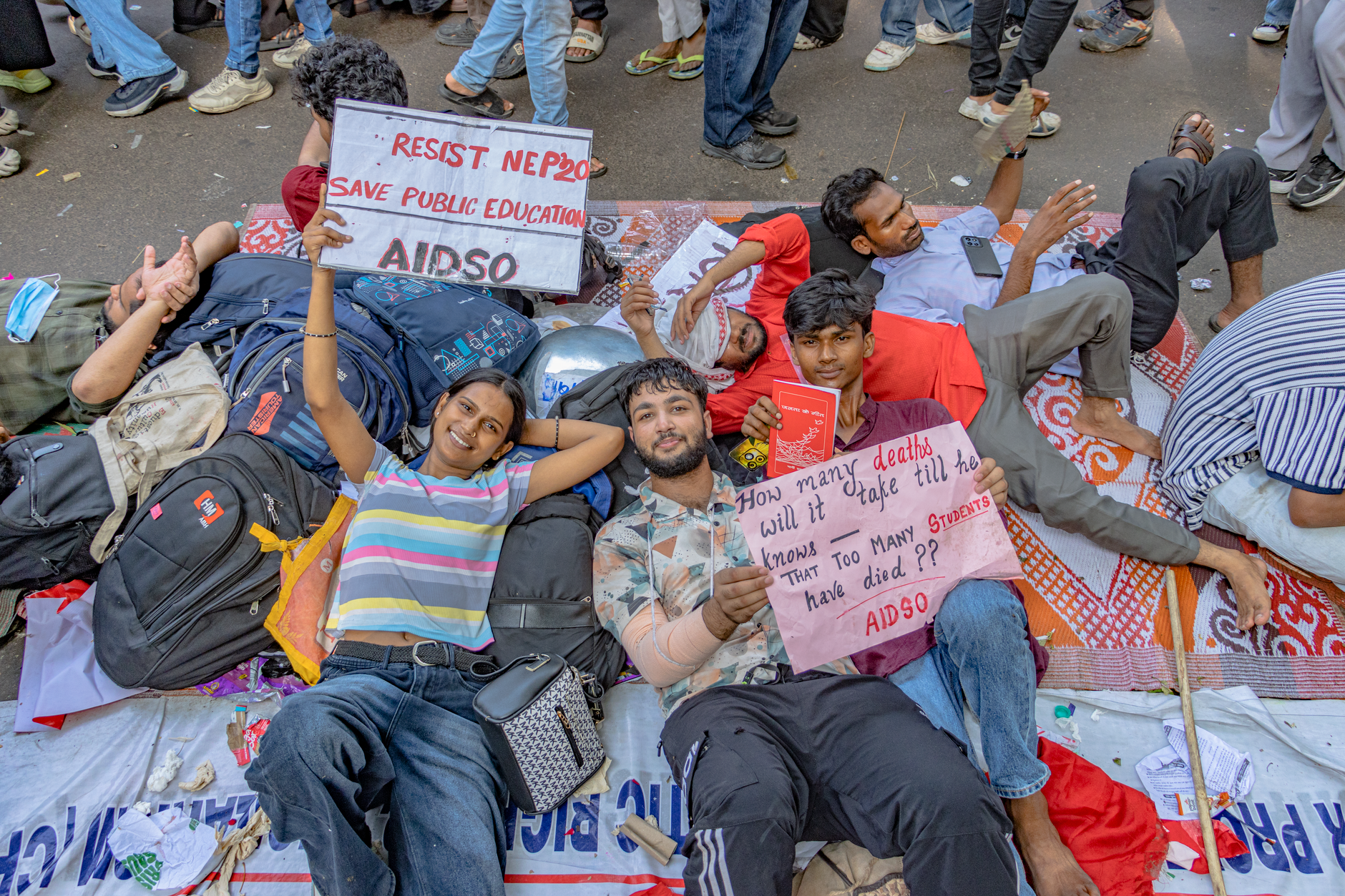
In a rare victory for student activism in India, persistent protests led by students and education advocates have successfully pressured a state education minister to step down from office. The demonstrations, colloquially termed 'Cockroach' protests for their persistent and ubiquitous nature, represent a significant moment in India's ongoing struggle for educational reform and government accountability.
Understanding the 'Cockroach' Protest Strategy
The term 'Cockroach' protests emerged as a descriptor for the students' tactical approach to demonstration. Much like the resilient insect that adapts and persists despite attempts to eliminate it, these protests were characterized by their continuous, multi-pronged nature. Students employed various methods including sit-ins, social media campaigns, public rallies, and door-to-door awareness drives to maintain pressure on the administration.
This decentralized approach made it difficult for authorities to suppress the movement entirely. When one protest site was cleared, demonstrations would spring up elsewhere. The strategy proved particularly effective in the age of social media, where coordination and information sharing happen instantaneously.
Core Grievances Fueling the Movement
While specific details vary by state, student protests in India typically center around several recurring issues within the education sector. Common grievances include allegations of corruption in examination systems, paper leaks that compromise the integrity of competitive exams, mismanagement of educational funds, lack of adequate infrastructure in government schools, and delays in appointment of qualified teachers.
Students have also raised concerns about the increasing commercialization of education, with private institutions charging exorbitant fees while government schools struggle with basic resources. The protests often reflect deeper frustrations about limited opportunities for quality education among economically disadvantaged communities.
The Power of Youth Political Engagement
This successful protest movement demonstrates the growing political consciousness among Indian youth, particularly students who are directly affected by educational policies. Historically, student movements in India have played crucial roles in political change, from the pre-independence era through various regional and national movements.
Modern student activists combine traditional protest methods with digital organization, creating powerful hybrid movements that can sustain momentum over extended periods. The use of hashtags, viral videos, and online petitions has amplified their voices beyond local communities to national and international audiences.
Implications for Educational Governance
The minister's resignation sends a strong message about accountability in India's education sector. It establishes a precedent that student voices cannot be ignored and that officials can face consequences for perceived failures or misconduct. This outcome may embolden similar movements in other states facing educational challenges.
However, the real test lies ahead. Removing a problematic minister is only the first step; students and education advocates must now ensure that systemic reforms are implemented and that the replacement official prioritizes genuine educational improvement over political considerations.
Challenges Ahead for Reform
While the protest movement achieved its immediate goal, transforming India's complex education system requires sustained effort beyond individual resignations. The sector faces structural challenges including inadequate funding, teacher shortages, infrastructure deficits, and examination system vulnerabilities that cannot be resolved overnight.
Students and activists must maintain vigilance to ensure promised reforms are actually implemented. There is often a gap between political announcements and ground-level change, particularly in education where improvements require consistent resource allocation and administrative will.
Broader Context of Student Activism in India
This movement fits within a larger pattern of youth-led activism across India on various issues. From environmental concerns to social justice causes, young Indians are increasingly willing to challenge authority and demand change through organized action.
The success of these 'Cockroach' protests may inspire similar movements addressing other governance failures. It demonstrates that persistent, well-organized civic action can achieve tangible results even when confronting entrenched political interests.
The resignation also highlights the importance of responsive governance in democratic societies. When citizens, particularly students directly affected by policies, mobilize effectively around legitimate grievances, democratic systems must provide mechanisms for accountability and change.
As India continues developing its educational infrastructure to meet the needs of its young, rapidly growing population, the active participation of students themselves in shaping policy and demanding accountability will likely remain a crucial factor in driving meaningful reform.