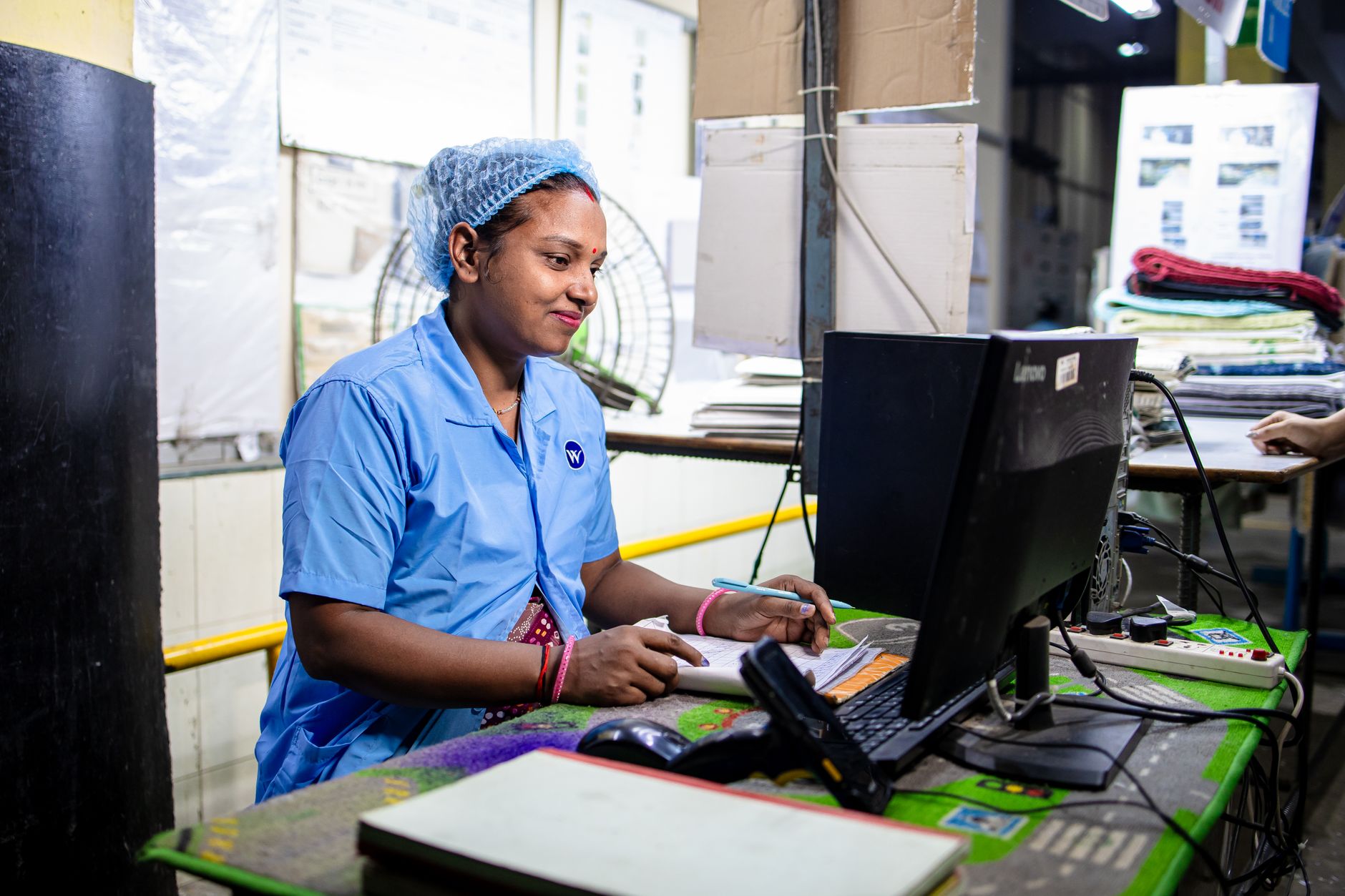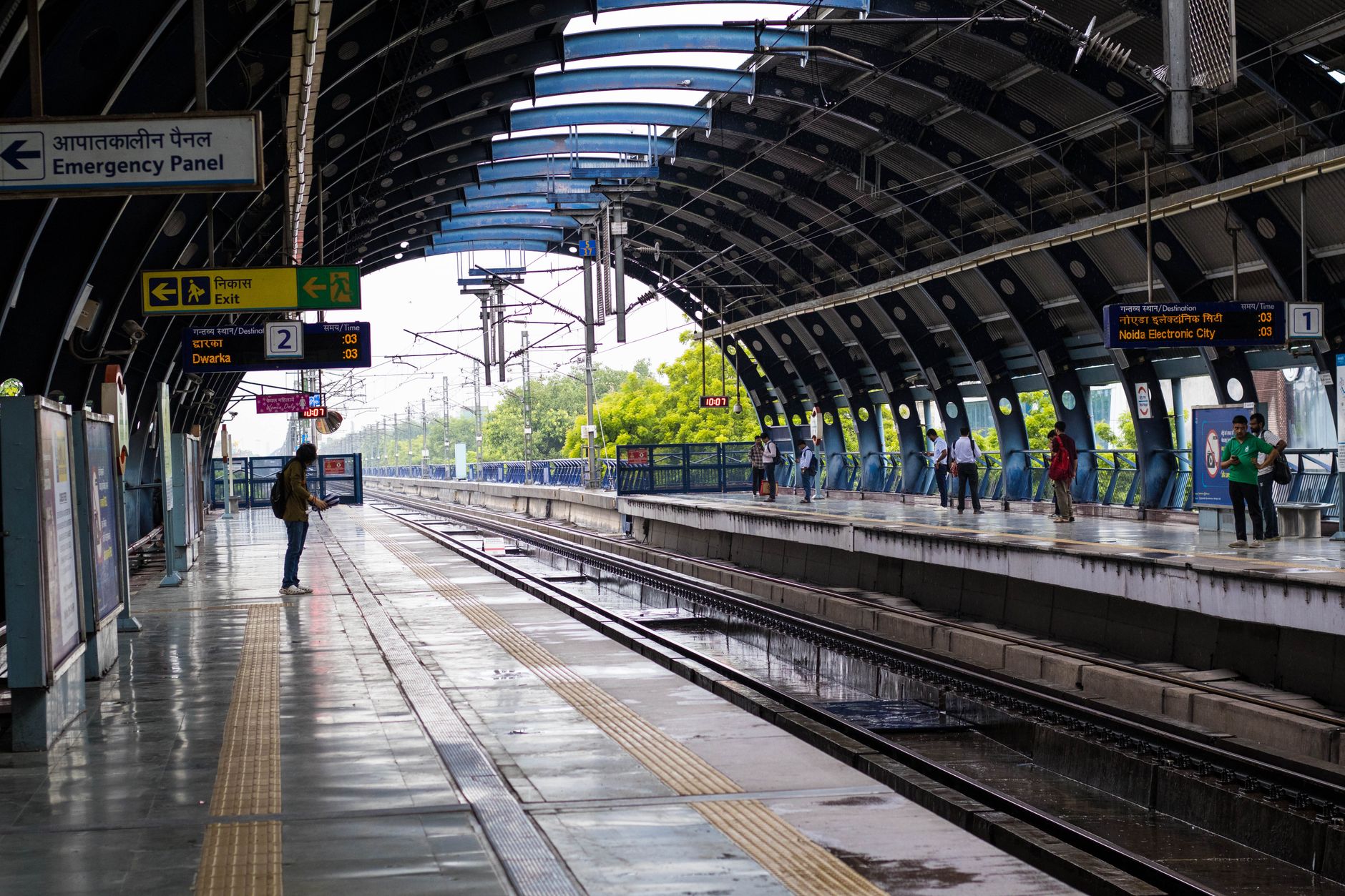
India's job market landscape is undergoing a significant transformation as opportunities increasingly spread beyond the traditional metros of Mumbai, Delhi, and Bangalore. Emerging cities across the country are witnessing rapid employment growth, driven by improved infrastructure, lower operational costs, and strategic government initiatives aimed at decentralizing economic development.
The Shift Away from Traditional Metro Cities
For decades, job seekers in India have gravitated toward major metropolitan areas, viewing them as the only viable destinations for career growth. However, rising living costs, congestion, traffic challenges, and quality of life concerns in these metros have prompted both companies and professionals to explore alternatives. Tier-2 and tier-3 cities now offer compelling advantages including affordable housing, lower cost of living, reduced commute times, and improving urban amenities.
Why These Cities Are Rising
Several factors contribute to the emergence of cities like Visakhapatnam, Surat, Ludhiana, and Prayagraj as job destinations:
- Strategic geographic locations providing access to regional markets and ports
- Government incentive schemes encouraging industrial expansion outside major metros
- Development of industrial corridors and special economic zones
- Growing startup ecosystems supported by local incubators and state policies
- Improved digital infrastructure enabling remote work and service delivery
- Educational institutions producing local talent pools
- Lower real estate and operational costs for businesses
Sector-Wise Opportunities
The employment growth in these emerging cities spans multiple sectors, each city developing its own economic identity.
Manufacturing remains a major driver, particularly in cities with established industrial bases. Automotive, textiles, pharmaceuticals, and chemical industries are expanding operations to leverage cost advantages and proximity to raw materials or export facilities.
Information technology and business services are no longer confined to Bangalore or Pune. Many IT companies are establishing delivery centers in smaller cities to tap into local talent while reducing operational expenses. The work-from-anywhere culture accelerated by the pandemic has further enabled this geographic diversification.
Logistics and supply chain management opportunities are growing in cities positioned along major trade routes or near ports. E-commerce expansion has created demand for warehouse management, distribution, and last-mile delivery professionals across various locations.
Understanding Each City's Strengths
Visakhapatnam, with its natural harbor and established industrial presence, offers opportunities in shipping, steel production, petroleum refining, and emerging IT services. The city's coastal location and improving urban infrastructure make it attractive for both industry and talent.
Surat has long been known as a textile and diamond processing hub. Beyond these traditional sectors, the city is witnessing growth in chemical manufacturing and emerging technology services. Its strong entrepreneurial culture creates diverse employment opportunities.
Ludhiana serves as a major industrial center in Punjab, particularly for manufacturing bicycles, automotive parts, textiles, and light engineering goods. The city's industrial base provides numerous opportunities in production, quality control, supply chain management, and related services.
Prayagraj, while historically known for its cultural and religious significance, has seen growth in government services, education, tourism-related industries, and small-scale manufacturing. Infrastructure improvements and smart city initiatives are creating new employment avenues.
Considerations for Job Seekers
Before relocating to emerging cities for employment, professionals should evaluate several factors:
- Industry-specific opportunities aligned with your skills and experience
- Long-term career growth prospects within your sector
- Salary adjustments reflecting local cost of living differences
- Availability of amenities important to your lifestyle
- Educational and healthcare facilities for families
- Professional networking opportunities and industry communities
- Future development plans and economic outlook for the region
The Broader Economic Impact
The rise of employment opportunities in tier-2 and tier-3 cities contributes to more balanced regional development, reducing pressure on overcrowded metros while stimulating economic activity in previously underutilized areas. This redistribution of economic opportunities can help address regional disparities and create more sustainable urban growth patterns across India.
For companies, geographic diversification reduces concentration risk, provides access to untapped talent pools, and often results in improved employee retention as workers enjoy better quality of life in these emerging cities.
The trend toward employment decentralization appears sustainable, supported by continued infrastructure investment, digital connectivity improvements, and evolving work patterns that prioritize flexibility over physical proximity to traditional business hubs. Job seekers willing to look beyond conventional metro destinations may find compelling opportunities in India's emerging employment centers.