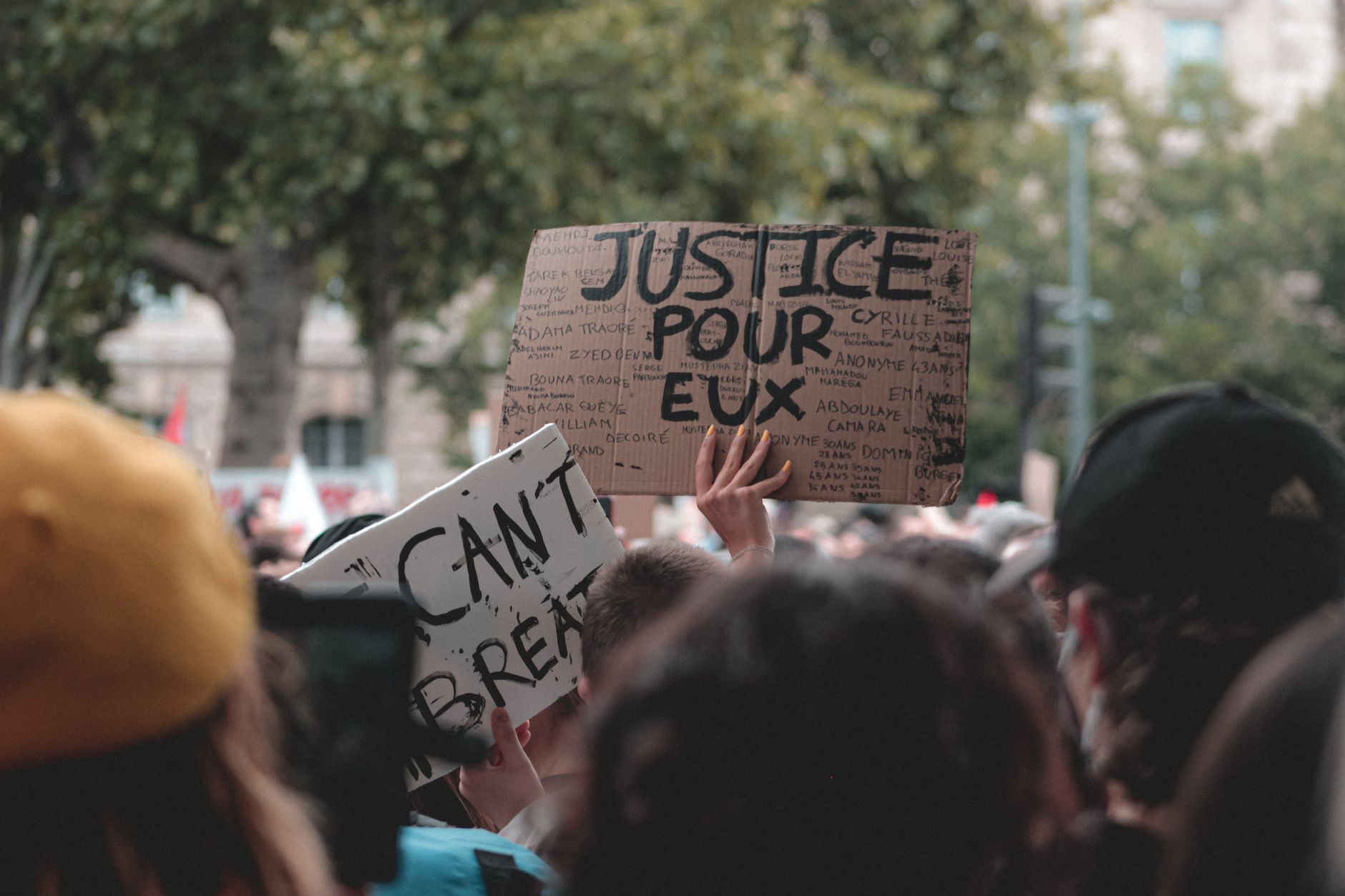
Hunger strikes have long been a powerful tool of peaceful protest in India, dating back to Mahatma Gandhi's fasts for independence and social reform. When activists like Sonam Wangchuk undertake such extreme measures, it brings attention to their causes while raising serious questions about the health consequences of prolonged fasting.
What Happens to the Body During a Hunger Strike
When a person stops eating, the body undergoes a series of dramatic changes. In the first 24-48 hours, the body depletes its glucose reserves and begins breaking down glycogen stored in the liver and muscles. After about three days, the body enters a state called ketosis, where it starts burning fat for energy and producing ketones.
As the fast continues beyond a week, the body begins consuming its own muscle tissue for protein. Critical organs may begin to suffer as the body cannibalizes itself to survive. The heart muscle can weaken, leading to irregular heartbeat and potential cardiac arrest. Brain function may become impaired, causing confusion, dizziness, and difficulty concentrating.
After two to three weeks without food, the risks become life-threatening. Electrolyte imbalances can cause seizures, kidney failure may occur, and the immune system becomes severely compromised. Even with water intake, prolonged fasting can lead to irreversible organ damage or death.
The Particular Dangers of Extended Fasting
Medical experts identify several critical health risks associated with hunger strikes lasting more than a few days:
- Severe malnutrition leading to muscle wasting and weakness
- Dangerously low blood pressure and heart rate
- Electrolyte imbalances affecting heart rhythm and brain function
- Vitamin and mineral deficiencies causing neurological damage
- Weakened immune system increasing infection risk
- Potential for permanent organ damage, especially to kidneys and liver
- Risk of refeeding syndrome when nutrition is eventually resumed
Why Activists Choose This Form of Protest
Despite the obvious health dangers, hunger strikes remain a common form of protest in India for several reasons. This method of resistance carries significant cultural and historical weight, having been legitimized by Gandhi's successful use of fasting to achieve political and social goals.
Hunger strikes are inherently non-violent, making them difficult for authorities to suppress without appearing heavy-handed. They generate public sympathy and media attention, particularly as the faster's health deteriorates. The personal sacrifice involved demonstrates the protester's commitment to their cause and can pressure decision-makers to negotiate.
For activists advocating for environmental protection, indigenous rights, or democratic reforms, a hunger strike can force issues into the public conversation that might otherwise be ignored by mainstream media and political establishments.
The Ethics and Effectiveness Debate
The use of hunger strikes raises ethical questions about self-harm as protest. Critics argue that such tactics amount to emotional blackmail, placing unfair pressure on authorities by threatening self-inflicted harm. There are also concerns about the precedent set when governments negotiate under such duress.
However, supporters contend that when all other democratic channels have been exhausted, peaceful self-sacrifice may be the only way for marginalized voices to be heard. They point to numerous instances where hunger strikes have successfully brought about policy changes or opened dialogue on critical issues.
Medical Intervention and Breaking a Fast
When a hunger strike extends beyond three weeks, medical professionals strongly recommend intervention. The process of resuming eating, known as refeeding, must be carefully managed to avoid refeeding syndrome, a potentially fatal complication that can occur when nutrition is reintroduced too quickly.
Refeeding syndrome involves dangerous shifts in fluids and electrolytes that can cause heart failure, respiratory distress, and neurological complications. Medical supervision is essential when ending an extended fast, with nutrition reintroduced gradually through small amounts of easily digestible foods.
The Broader Context in India
India has a long tradition of satyagraha, or truth-force, which encompasses various forms of peaceful resistance including fasting. From Anna Hazare's anti-corruption movement to farmers protesting agricultural laws, hunger strikes continue to play a role in Indian democracy, serving as a pressure valve when citizens feel unheard through conventional political channels.
This article is for general information purposes only and should not be considered medical advice. Anyone considering fasting for any reason should consult with healthcare professionals. If you or someone you know is engaged in a prolonged hunger strike, immediate medical evaluation is strongly recommended.