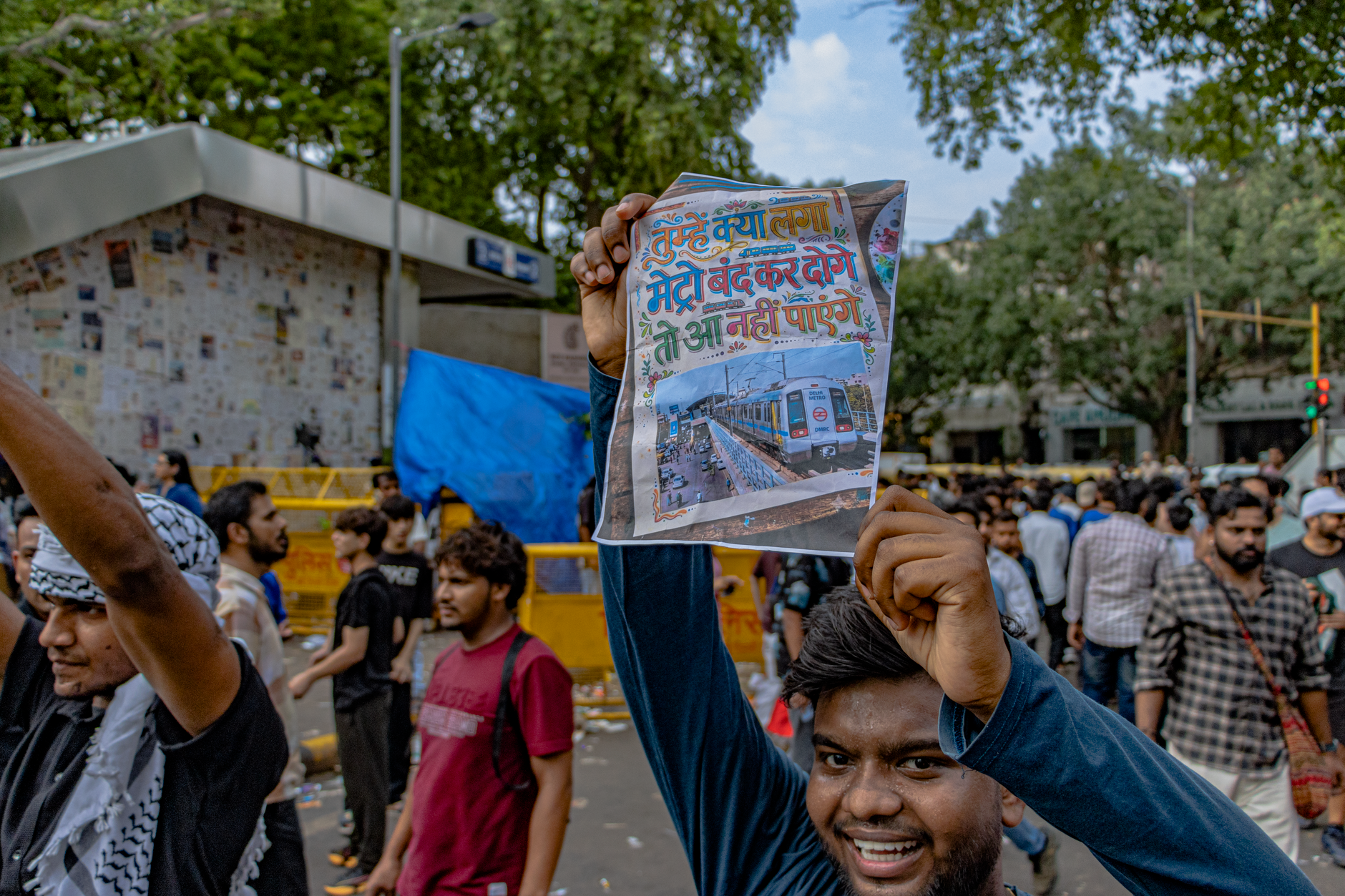
India's education landscape has witnessed a surge in student-led activism over recent years, with the latest phenomenon being labelled the 'Cockroach' movement by observers. This term, likely referencing the movement's resilience and ability to survive despite attempts at suppression, represents a growing trend of organized student dissent against current education policies and broader governance issues.
What Drives Student Activism in India
Student movements have historically played a crucial role in shaping India's socio-political discourse. From the pre-independence era through the 1970s Emergency period to contemporary times, university campuses have served as incubators for political consciousness and social change. The current wave of activism reflects several underlying concerns that resonate with young Indians navigating an increasingly competitive and uncertain future.
The primary grievances typically centre around education affordability, job creation, admission policies, and academic freedom. With India's youth population being one of the largest globally, any movement that captures student sentiment has significant political implications. Universities across the country, particularly premier institutions like JNU, Delhi University, and various IITs, have become focal points for debates about national priorities and policy direction.
Key Issues Fueling Campus Unrest
Several factors have contributed to heightened student activism in recent years. The rising cost of education, coupled with concerns about graduate employability, has created anxieties about future prospects. Many students find themselves questioning whether their degrees will translate into meaningful career opportunities in an economy facing periodic slowdowns and structural changes.
- Changes to admission procedures and fee structures at public universities
- Debates surrounding curriculum modifications and academic autonomy
- Concerns about campus safety and administrative responses to student grievances
- Broader questions about civil liberties and freedom of expression
- Employment prospects and the quality of job opportunities for graduates
- Issues related to reservation policies and social justice
The intersection of education policy with larger political narratives has made campuses particularly sensitive spaces. When students perceive that their futures are being shaped by decisions made without adequate consultation, protest becomes a natural outlet for expressing discontent.
The Digital Amplification Effect
Unlike previous generations of student activists, today's protesters have powerful tools at their disposal. Social media platforms enable rapid mobilization, allowing movements to gain traction beyond physical campus boundaries. A single incident can quickly become national news, and solidarity networks can form across institutions within hours.
This digital connectivity has made student movements more visible but also more vulnerable to misinformation and polarization. The same tools that help organize protests can be used to discredit them, creating an environment where narratives compete for public attention and sympathy.
Political Implications and Government Response
For any ruling government, sustained student unrest presents both a challenge and an opportunity. Young voters represent a significant electoral demographic, and their disaffection can translate into political consequences during elections. At the same time, governments must balance student demands against broader policy objectives and fiscal constraints.
The characterization of such movements as problematic or concerning typically reflects worries about political stability and the potential for protests to expand beyond education-specific issues. When student activism aligns with opposition political parties or becomes a symbol of broader discontent, it can complicate the government's messaging and policy implementation.
Authorities generally respond through a combination of dialogue, policy adjustments, and sometimes enforcement actions. The effectiveness of these responses in addressing underlying grievances determines whether movements gain momentum or gradually dissipate.
The Broader Context of Youth Expectations
India's demographic dividend—its large young population—has long been touted as an economic advantage. However, this advantage depends on providing adequate education, skills development, and employment opportunities. When these elements are perceived as lacking, the dividend can become a liability, with frustrated youth seeking outlets for their aspirations and grievances.
The 'Cockroach' movement, whatever its specific origins and demands, symbolizes a wider conversation about how India can harness its youth energy productively while addressing legitimate concerns about the direction of education policy and economic opportunity.
As India continues evolving as a global economic power, how it engages with its educated youth and responds to their concerns will significantly impact both social cohesion and political stability in the years ahead. The challenge lies in creating systems that are responsive to student voices while maintaining the stability needed for long-term institutional development.