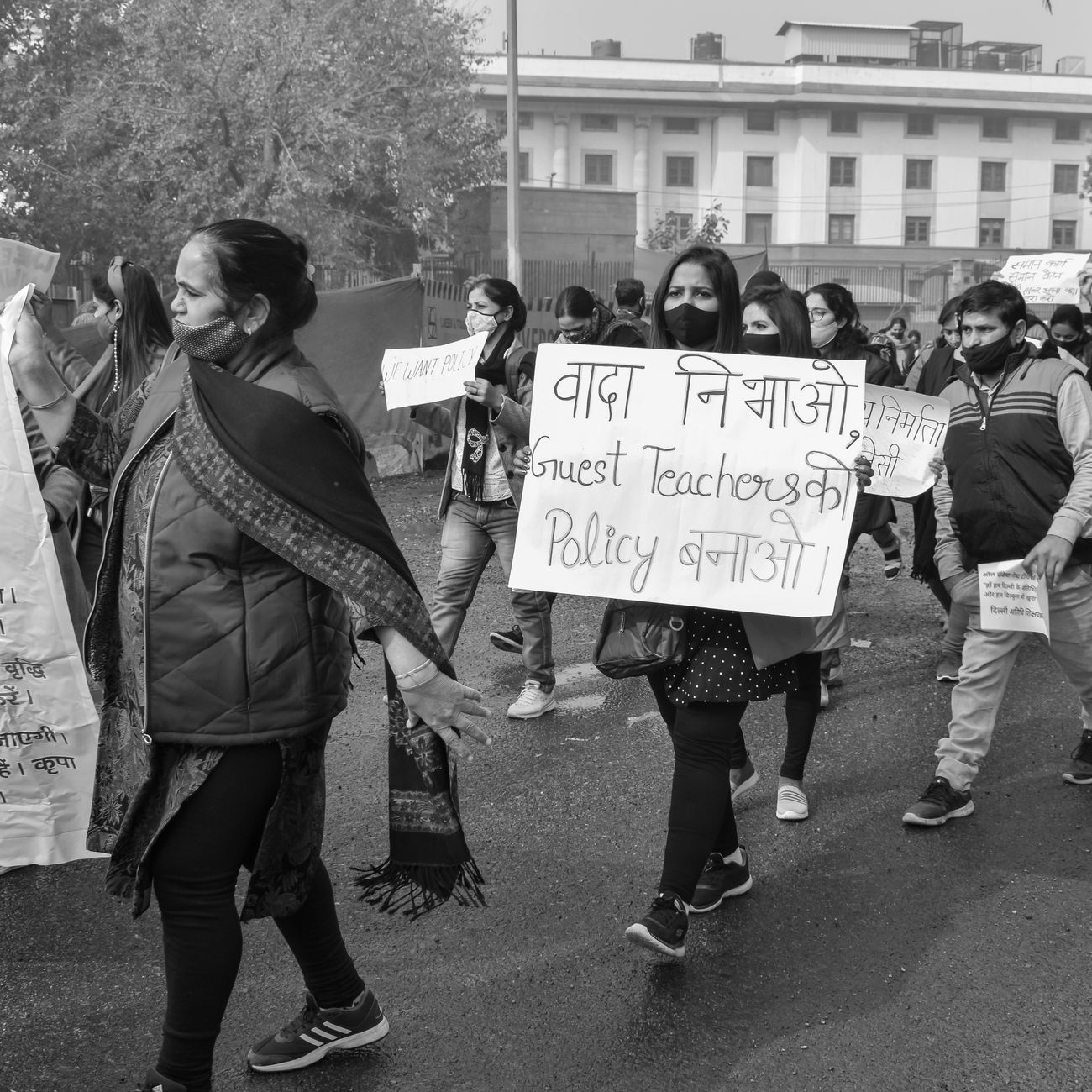
India's education system stands at a critical juncture, with recent reforms representing a fundamental reimagining of how the country educates its 260 million students. While student protests have brought attention to various issues within the system, the reform agenda addresses challenges that have been building for decades.
The Deeper Context Behind Reform
India's education system has long grappled with structural issues that protests alone cannot capture. These include a stark urban-rural divide in quality, an overemphasis on rote learning, limited vocational training integration, and curricula that haven't kept pace with the demands of a rapidly evolving economy. The reforms aim to tackle these systemic problems that affect India's ability to compete globally and provide meaningful opportunities for its youth.
The demographic reality makes these reforms urgent. India has the world's largest youth population, with over 600 million people under 25. This demographic dividend can only translate into economic advantage if the education system adequately prepares students for 21st-century challenges.
Key Areas of Transformation
The reform agenda encompasses multiple dimensions that go beyond surface-level changes. One significant shift involves moving toward a more holistic, multidisciplinary approach to learning. This represents a departure from the rigid streaming that traditionally forced students to choose between science, commerce, and humanities early in their academic careers.
Another critical area involves bridging the gap between academic and vocational education. Historically, vocational training has been viewed as a lesser alternative to traditional degrees. The reforms seek to integrate skill development into mainstream education, recognizing that not all students will or should follow identical academic pathways.
Technology and Access
Digital infrastructure has become central to education reform strategies. The COVID-19 pandemic exposed significant disparities in access to online learning, but it also accelerated the adoption of educational technology. Current reforms aim to leverage technology not just for crisis response but as a fundamental tool for expanding access and improving quality.
However, technology integration must address the reality that millions of students lack reliable internet connectivity or personal devices. The reforms therefore include provisions for improving digital infrastructure in rural and underserved areas, alongside creating content that works across various technological platforms.
Assessment and Learning Outcomes
Traditional examination systems have long been criticized for encouraging memorization over genuine understanding. Reform efforts include rethinking assessment methods to evaluate critical thinking, creativity, and practical application of knowledge rather than mere recall ability.
This shift also involves reducing the high-stakes nature of board examinations, which have created intense pressure on students and contributed to mental health concerns. By spreading assessment across multiple checkpoints and incorporating diverse evaluation methods, the reforms aim to create a less stressful learning environment.
Teacher Training and Quality
No education reform can succeed without addressing teacher quality and training. Many of India's teachers work with outdated pedagogical methods and lack adequate professional development opportunities. Reform initiatives include enhanced teacher training programs, better compensation structures, and mechanisms for continuous skill upgradation.
The reforms also recognize that teachers need support in managing larger classroom sizes and diverse student populations with varying learning needs and backgrounds.
Global Competitiveness and Local Relevance
India's education reforms must balance global competitiveness with local cultural and social contexts. While preparing students for an interconnected world economy, the system must also preserve cultural heritage, promote multilingualism, and address uniquely Indian challenges.
This includes incorporating Indian knowledge systems alongside contemporary global curricula and ensuring that education serves both individual advancement and community development needs.
Implementation Challenges
The gap between policy and practice remains a significant concern. India's federal structure means education reforms must navigate complex state-level variations in capacity, resources, and political will. Successful implementation requires sustained funding, bureaucratic coordination, and stakeholder buy-in at multiple levels.
Resource constraints pose another challenge. Quality education requires investment in infrastructure, teacher salaries, learning materials, and technology. Ensuring adequate and sustained funding across India's vast educational landscape demands creative financing solutions and efficient resource allocation.
Looking Forward
India's education reforms represent an ambitious attempt to transform a massive, complex system serving diverse populations across varied geographies. While student protests highlight immediate grievances, the reform agenda addresses fundamental questions about what education should achieve in contemporary India.
Success will require patience, flexibility, and willingness to learn from implementation experiences. The reforms are not a finished product but an evolving framework that must adapt to changing needs while maintaining focus on core objectives: equity, quality, and relevance.
This article provides general information about education policy trends and should not be considered as specific academic or career advice. Individual educational decisions should be made based on personal circumstances and professional consultation.