India's health and welfare infrastructure represents one of the world's most complex systems, serving over 1.4 billion people across vastly different geographical, economic, and social contexts. The evolution of healthcare and social welfare in the country reflects both historical challenges and contemporary innovations.
The Current Healthcare Framework
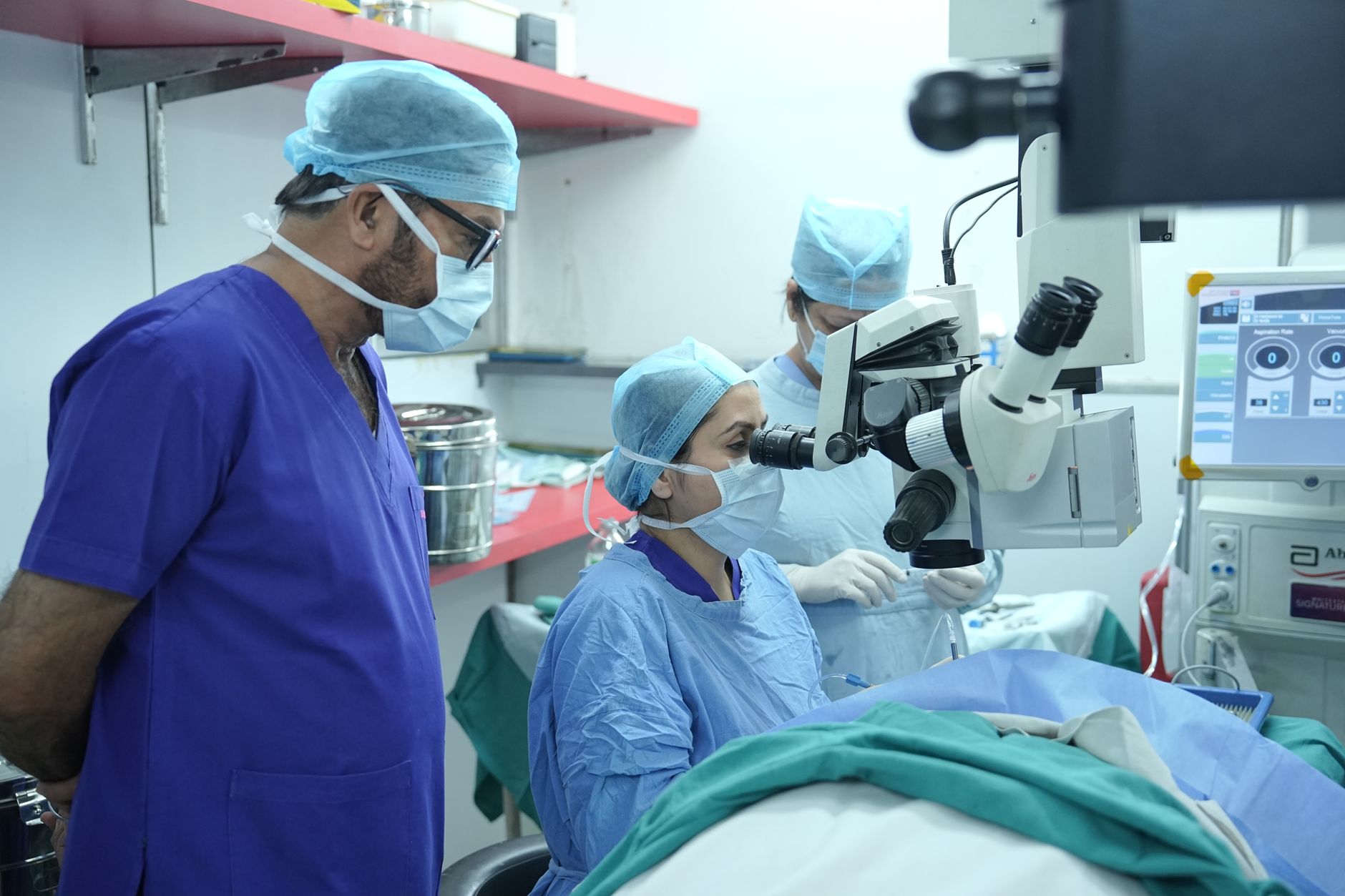
India operates a mixed healthcare system combining public and private sectors. The public healthcare system is structured in three tiers: primary health centers in villages, secondary healthcare in district hospitals, and tertiary care in specialized medical institutions. However, accessibility remains uneven, with urban areas generally better served than rural regions.
The government allocates approximately 2-3% of GDP to healthcare, significantly lower than the WHO-recommended 5%. This funding gap has historically led to citizens bearing substantial out-of-pocket expenses, with healthcare costs being a leading cause of poverty in many households.
Major Health Challenges
India grapples with a unique dual disease burden. Communicable diseases like tuberculosis, malaria, and dengue continue affecting millions, while non-communicable diseases such as diabetes, cardiovascular conditions, and cancer are rising rapidly. This double burden strains resources and requires diverse intervention strategies.
Key health challenges include:
- Maternal and infant mortality rates that, while improving, remain concerning in certain states
- Malnutrition affecting children and pregnant women, particularly in economically weaker sections
- Growing prevalence of lifestyle diseases linked to urbanization and dietary changes
- Mental health issues that remain largely under-addressed due to stigma and limited resources
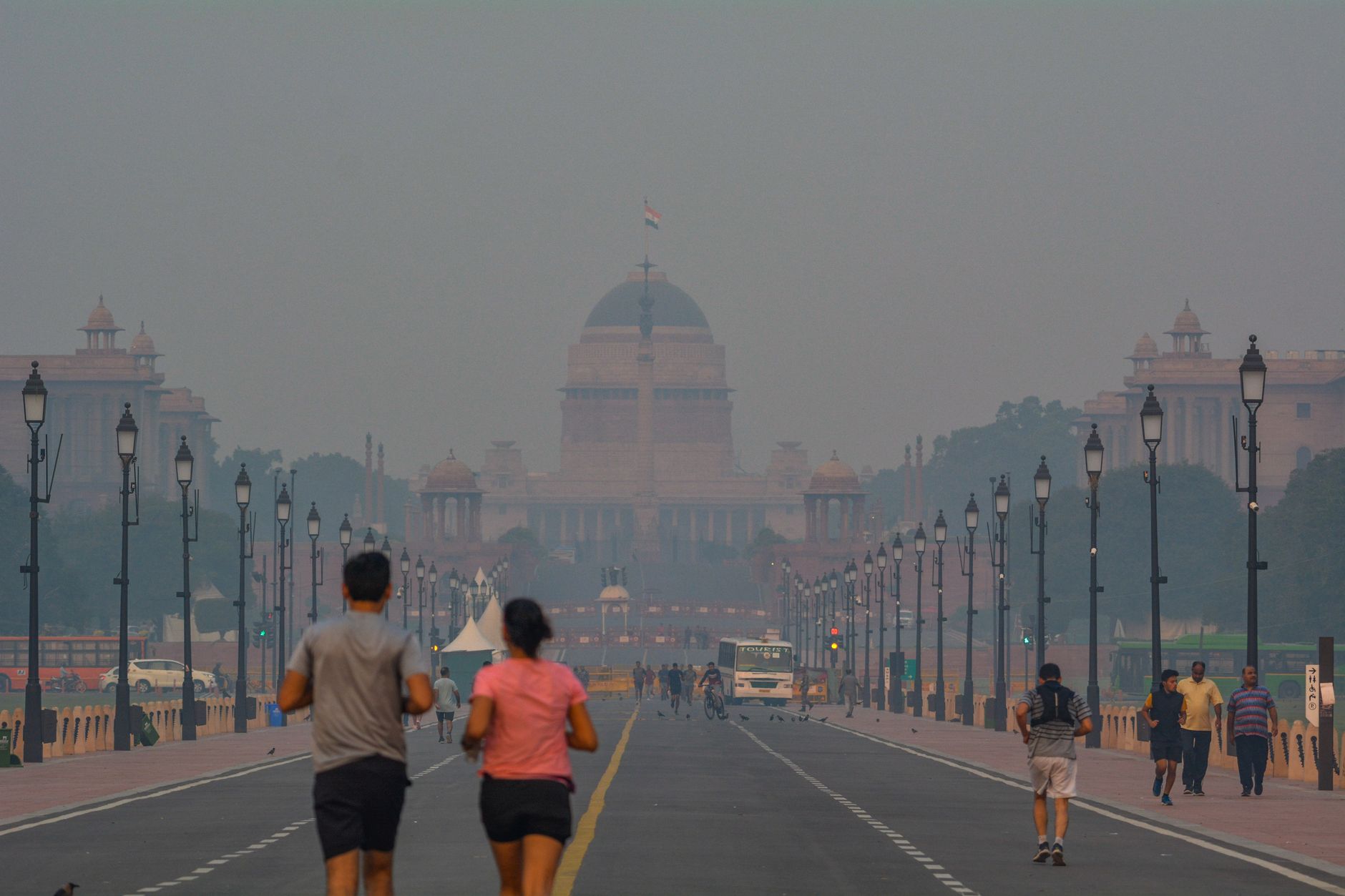
- Air and water pollution contributing to respiratory and waterborne diseases
Government Welfare Initiatives
The Indian government has launched several ambitious welfare schemes addressing health and broader wellbeing. Ayushman Bharat, launched in 2018, represents the world's largest government-funded healthcare program, providing insurance coverage up to 5 lakh rupees annually to approximately 500 million vulnerable citizens.
Other significant initiatives include the National Health Mission, which strengthens primary healthcare infrastructure, and various immunization programs that have successfully controlled diseases like polio. The government has also expanded schemes covering nutrition, sanitation, and housing, recognizing that health extends beyond medical care.
Population Dynamics and Implications
India recently became the world's most populous nation, surpassing China. This demographic reality presents both opportunities and challenges. A large young population offers a potential demographic dividend if properly educated and employed. However, it also demands extensive infrastructure, healthcare facilities, and employment opportunities.
Population distribution remains skewed, with certain states experiencing higher fertility rates and different health indicators. States like Kerala and Tamil Nadu demonstrate better health outcomes with lower population growth, while states in the Hindi heartland face greater challenges.
Traditional Medicine and Modern Healthcare
India uniquely integrates traditional medicine systems like Ayurveda, Yoga, Unani, Siddha, and Homeopathy (AYUSH) alongside allopathic medicine. The government promotes these traditional systems as complementary healthcare options, establishing dedicated hospitals and research institutions. This integration reflects cultural heritage while addressing healthcare accessibility in remote areas where modern medical facilities may be limited.
The Role of Technology
Digital health initiatives are transforming India's healthcare landscape. Telemedicine has expanded significantly, particularly post-pandemic, connecting patients in remote areas with specialists in urban centers. The Ayushman Bharat Digital Mission aims to create a unified digital health infrastructure, including health IDs and electronic medical records for all citizens.
Mobile health applications and awareness campaigns leverage India's high smartphone penetration to disseminate health information, appointment booking, and medicine delivery services.
Future Outlook
India's health and welfare sector stands at a critical juncture. Increasing healthcare spending, strengthening primary care, addressing regional disparities, and preventing disease through improved sanitation, nutrition, and lifestyle interventions remain priorities. The country's ability to harness its demographic advantage while ensuring universal health coverage will significantly impact both individual wellbeing and economic growth in coming decades.
Success will require continued government commitment, private sector partnership, community participation, and innovative solutions adapted to India's diverse contexts.