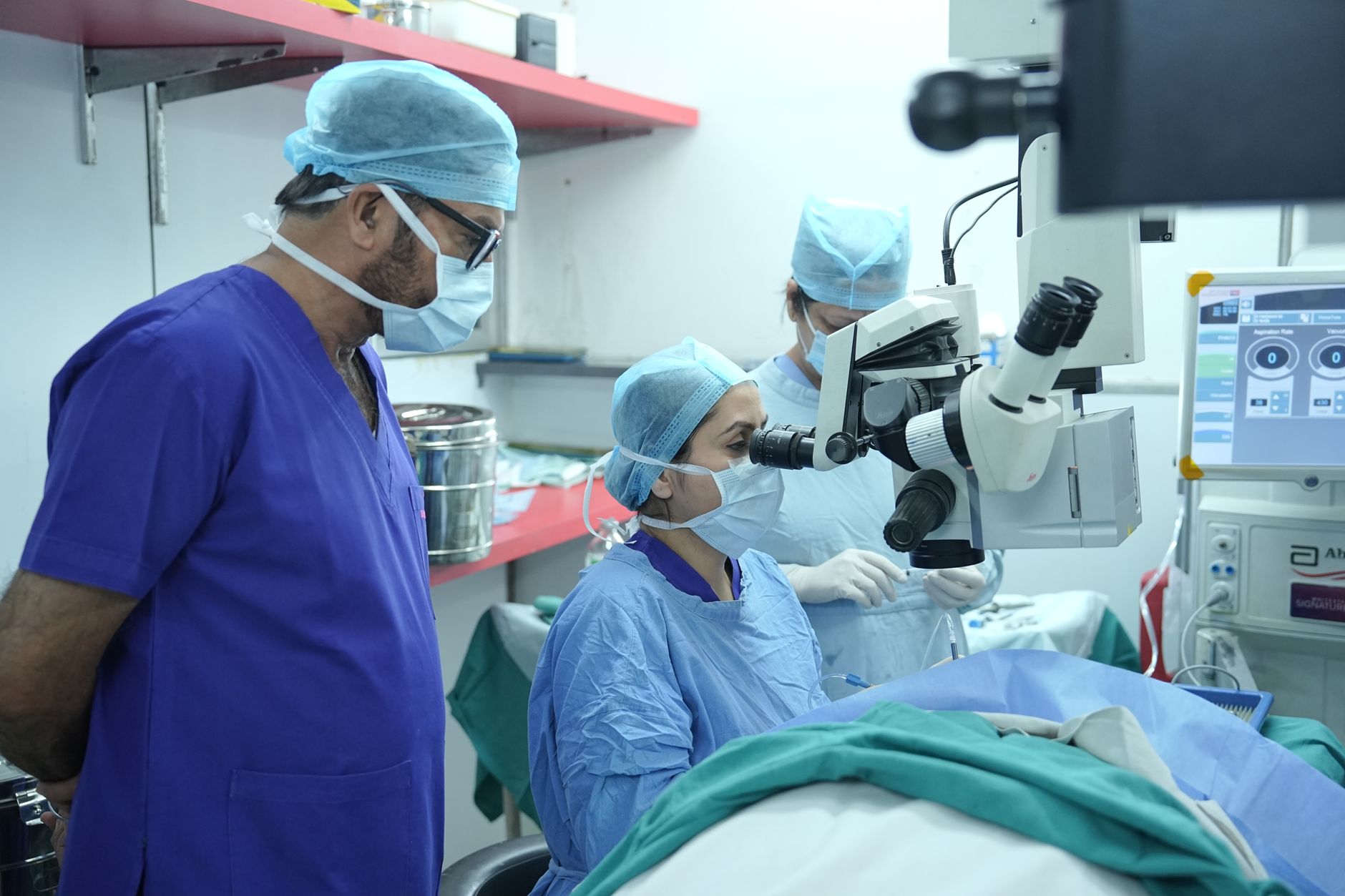
The Union Health Minister's participation in the India Medical Device 2026 conference signals the government's continued commitment to transforming India into a global hub for medical device manufacturing. This initiative aligns with broader economic goals of reducing import dependency and promoting indigenous innovation in critical healthcare sectors.
The Growing Importance of India's Medical Device Sector
India's medical device industry has witnessed significant growth in recent years, emerging as one of the fastest-growing sectors within the healthcare landscape. The market, currently valued at several billion dollars, is projected to expand substantially by 2026 and beyond. Despite this growth, India continues to import a significant portion of its medical devices, creating opportunities for domestic manufacturing expansion.
The sector encompasses a wide range of products, from basic diagnostic equipment and surgical instruments to advanced imaging systems and implantable devices. This diversity presents both challenges and opportunities for Indian manufacturers seeking to establish themselves in domestic and international markets.
Government Initiatives Supporting Medical Device Manufacturing
The Indian government has launched several initiatives to boost domestic production of medical devices. The Production Linked Incentive (PLI) scheme for medical devices aims to attract investment and encourage manufacturers to scale up production. This scheme provides financial incentives based on incremental sales, making it attractive for both established companies and new entrants.
Additionally, the creation of medical device parks in various states provides infrastructure support and streamlined regulatory processes. These parks offer manufacturers access to common testing facilities, reduced setup costs, and proximity to supporting industries.
Key Challenges Facing the Industry
Despite promising growth prospects, the medical device sector faces several challenges that require policy attention and industry collaboration:
- High import dependency for critical components and raw materials
- Limited research and development capabilities compared to global leaders
- Complex regulatory requirements that can delay product approvals
- Shortage of skilled workforce trained in medical device manufacturing
- Competition from established international brands with strong market presence
- Need for standardization and quality control across manufacturing units
Opportunities for Growth and Innovation
The India Medical Device 2026 conference likely focuses on strategies to capitalize on emerging opportunities. India's large patient population, growing healthcare infrastructure, and increasing health awareness create substantial domestic demand. The government's emphasis on affordable healthcare through schemes like Ayushman Bharat further expands the market for cost-effective medical devices.
Indian manufacturers have competitive advantages including lower production costs, a strong base of engineering talent, and increasing capabilities in information technology that can be leveraged for smart medical devices. The global shift toward value-based healthcare also favors manufacturers who can provide quality products at competitive prices.
Innovation and Technology Integration
The future of medical devices lies in integration with digital technologies. Artificial intelligence, Internet of Things, and data analytics are transforming traditional medical equipment into smart, connected devices. Indian companies have opportunities to leapfrog into these advanced technologies, especially given the country's strengths in software and IT services.
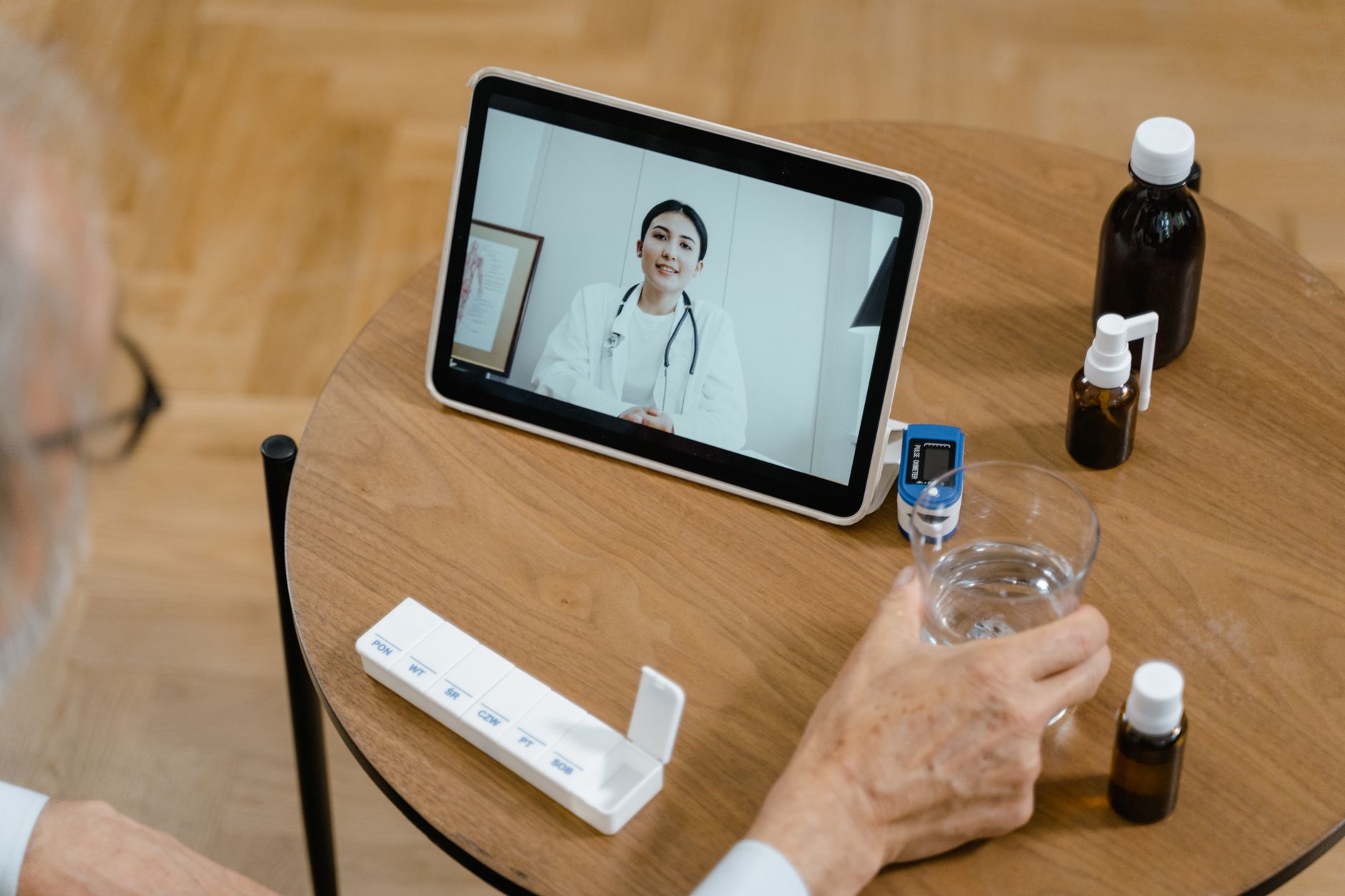
Telemedicine and remote patient monitoring gained prominence during the pandemic, creating demand for portable diagnostic devices and home healthcare equipment. This trend is expected to continue, opening new market segments for innovative manufacturers.
Regulatory Framework and Quality Standards
A robust regulatory framework is essential for building trust in Indian medical devices both domestically and internationally. The Central Drugs Standard Control Organization (CDSCO) oversees medical device regulation in India. Recent regulatory reforms aim to streamline approval processes while maintaining safety and efficacy standards.
Alignment with international quality standards enables Indian manufacturers to access export markets. Obtaining certifications such as CE marking for European markets or FDA approval for the United States remains a priority for companies with global ambitions.
The Path Forward
The India Medical Device 2026 conference serves as a platform for stakeholders to discuss collaborative strategies for sector development. Public-private partnerships, increased investment in research and development, skill development programs, and supportive policies will be crucial for realizing the sector's potential.
As the Minister addresses the conference, stakeholders will be looking for policy announcements and clarifications on government support mechanisms. The goal is to position India not just as a large market for medical devices but as a significant global manufacturer contributing to worldwide healthcare needs.
This article is for general information purposes only and does not constitute policy announcements or official government communications. Readers should refer to official government sources for specific policy details and updates.