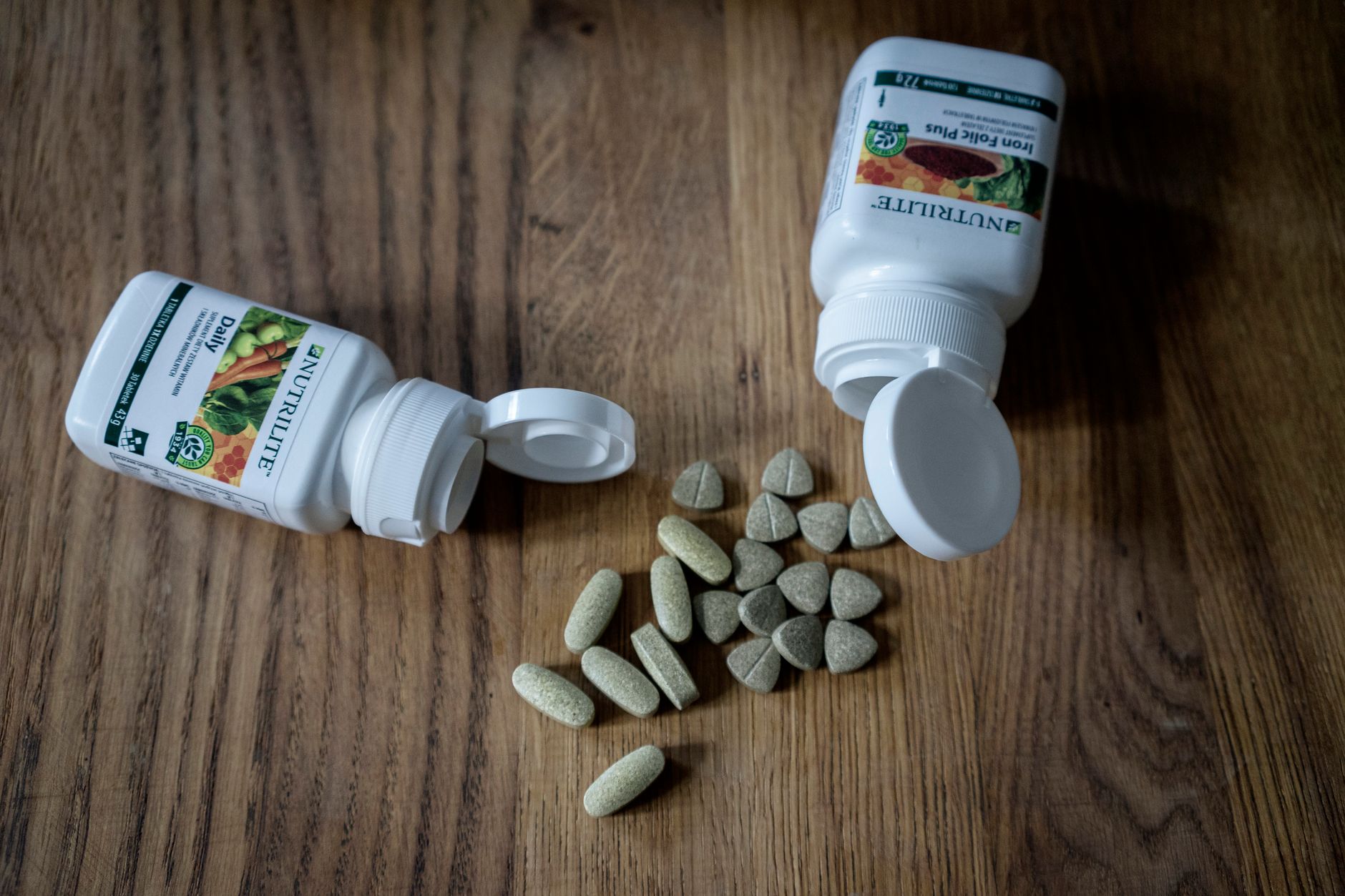
The nutraceutical industry has witnessed remarkable growth worldwide, with consumers increasingly seeking natural health products, dietary supplements, and functional foods. A recent partnership between the Organic & Natural Health Association and SHEFEXIL represents a strategic effort to enhance trade relations and supply chain efficiency between the United States and India, two major players in the global nutraceutical market.
Understanding the Nutraceutical Market
Nutraceuticals encompass a broad category of products that bridge the gap between nutrition and pharmaceuticals. These include dietary supplements, herbal products, functional foods, and bioactive compounds derived from natural sources. India has emerged as a significant supplier of raw materials and finished nutraceutical products, leveraging its rich biodiversity and traditional knowledge systems like Ayurveda.
The United States remains one of the largest consumer markets for nutraceutical products, with millions of Americans incorporating supplements into their daily routines. This creates a natural synergy between Indian manufacturing capabilities and American market demand.
The Role of SHEFEXIL
SHEFEXIL, the Shellac and Forest Products Export Promotion Council, operates under India's Ministry of Commerce and Industry. While traditionally focused on shellac and forest products, the organization has expanded its scope to include various natural products, including nutraceuticals derived from botanical sources. The council works to promote Indian exports, facilitate trade relationships, and ensure quality standards for products entering international markets.
What This Partnership Means
This collaboration aims to address several critical aspects of the US-India nutraceutical trade:
- Enhanced quality assurance protocols to meet stringent American regulatory requirements
- Streamlined certification and documentation processes for exporters
- Knowledge sharing regarding compliance with FDA regulations and Good Manufacturing Practices
- Development of sustainable sourcing practices for botanical ingredients
- Creation of networking opportunities between American buyers and Indian suppliers
Supply Chain Challenges Being Addressed
The nutraceutical supply chain faces unique challenges that this partnership seeks to resolve. Quality consistency remains a primary concern, as natural products can vary based on growing conditions, harvesting methods, and processing techniques. Establishing standardized protocols helps ensure that products meet specifications reliably.
Regulatory compliance represents another significant hurdle. The United States maintains strict regulations governing dietary supplements through the FDA's dietary supplement guidelines. Indian exporters must navigate these requirements while maintaining cost competitiveness. The partnership aims to provide education and resources to help manufacturers meet these standards efficiently.
Traceability and transparency have become increasingly important to American consumers who want to know the origin and processing history of their supplements. Collaborative efforts can help establish robust tracking systems that document products from farm to finished goods.
Economic Implications
India's nutraceutical export market has grown substantially in recent years, with projections suggesting continued expansion. Strengthening ties with the American market could significantly benefit Indian manufacturers, farmers, and related industries. For American consumers and businesses, reliable access to high-quality Indian nutraceutical ingredients and products can mean better pricing and product diversity.
The partnership may also encourage investment in manufacturing infrastructure, quality testing facilities, and research and development initiatives in India, creating employment opportunities and supporting rural economies where many medicinal plants and herbs are cultivated.
Looking Forward
As consumer interest in natural health products continues to rise, partnerships that strengthen international supply chains become increasingly valuable. This collaboration between American and Indian industry organizations reflects a broader trend toward globalization in the health and wellness sector, while emphasizing the importance of maintaining quality and safety standards.
The success of this initiative could serve as a model for other international collaborations in the nutraceutical space, potentially leading to similar partnerships with other producing and consuming nations.
For stakeholders in the nutraceutical industry, this development signals a maturing market that prioritizes quality, transparency, and sustainable practices alongside growth and profitability.
This article is intended for general informational purposes only and does not constitute business, investment, or health advice. Readers should conduct their own research and consult with qualified professionals before making business decisions or consuming any nutraceutical products.