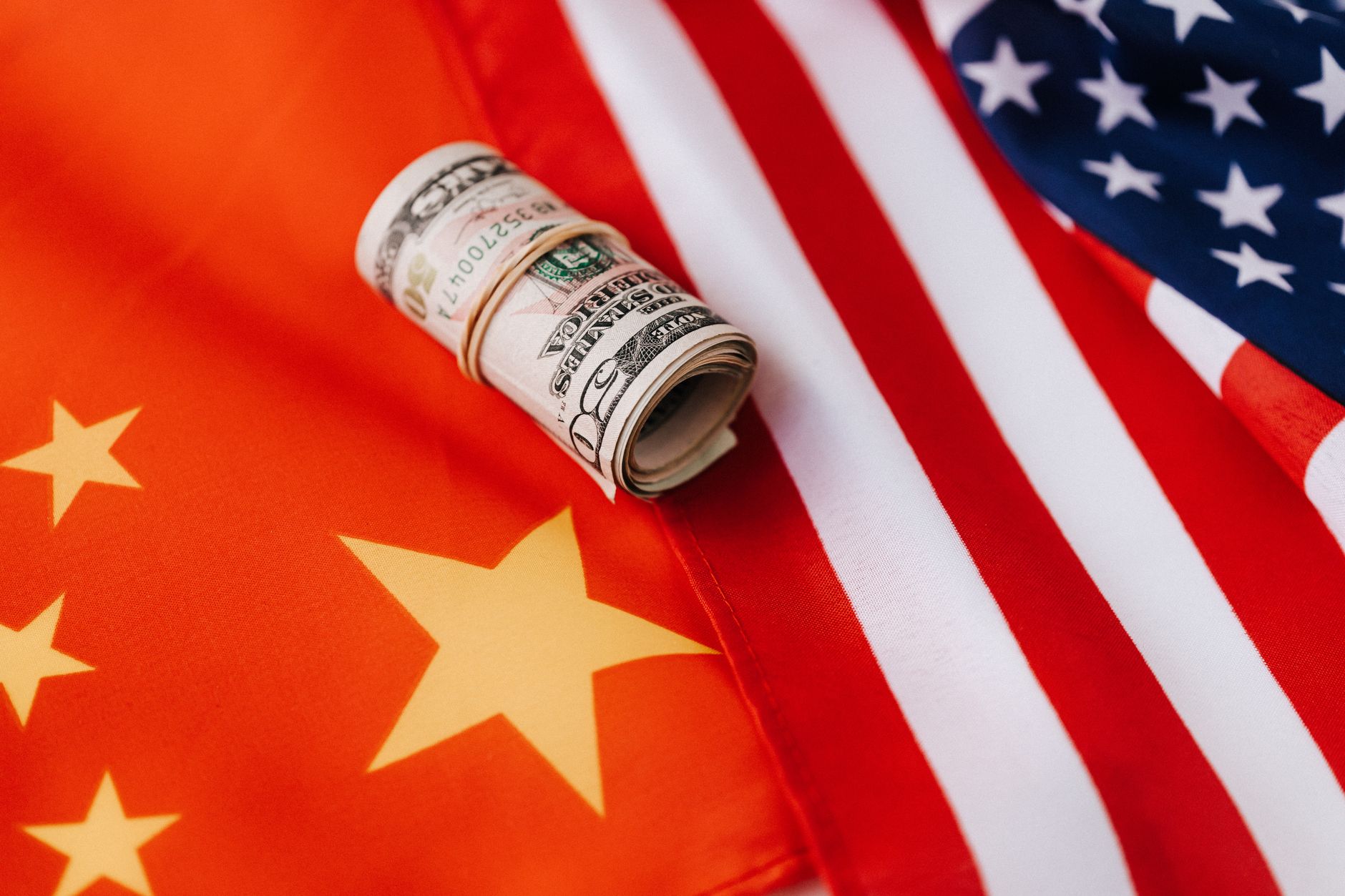
The investment landscape for Indian investors looking at international markets presents an interesting contrast today. While US equity markets continue their upward trajectory, reaching new all-time highs, Chinese markets remain relatively undervalued despite being the world's second-largest economy. This divergence raises an important question for investors seeking geographical diversification: where should you allocate your international investment dollars?
Understanding the US Market Rally
The US stock market has demonstrated remarkable resilience, with major indices like the S&P 500 and Nasdaq touching record levels. Several factors drive this performance. American technology giants continue to dominate global innovation, particularly in artificial intelligence and cloud computing. The US economy has shown surprising strength with robust consumer spending and a resilient job market. Additionally, the dollar's status as the world's reserve currency and the depth of US capital markets make it a preferred destination for global investors.
However, investing at market peaks comes with inherent risks. Valuations in US markets are stretched by historical standards, with price-to-earnings ratios well above long-term averages. When markets are at record highs, the potential for corrections increases, and future returns may be more modest than past performance would suggest.
The Case for Chinese Markets
Chinese stocks present a contrasting picture. Despite China being a manufacturing powerhouse and home to some of the world's largest companies, its stock markets have underperformed significantly. Trade tensions, regulatory crackdowns on technology companies, real estate sector concerns, and slower economic growth have all contributed to depressed valuations.
From a value investing perspective, Chinese markets appear attractive. Many quality companies trade at significant discounts to their US counterparts. For investors with a long-term horizon and higher risk tolerance, this could represent an opportunity to buy low. China's massive consumer base, advancing technology sector, and government initiatives in electric vehicles and renewable energy offer growth potential.
However, Chinese markets carry distinct risks including regulatory unpredictability, geopolitical tensions, corporate governance concerns, and limited transparency compared to Western markets.
Practical Considerations for Indian Investors
Indian residents can invest internationally through various routes under the RBI's Liberalised Remittance Scheme, which allows individuals to remit up to USD 250,000 per financial year.
Investment options include:
- Direct stock purchases through international trading accounts offered by Indian brokers
- US or international mutual funds and ETFs available in India
- Foreign fund houses offering international exposure
- Fund of funds that invest in overseas markets
Balancing Your Portfolio
Rather than choosing between US and China, a balanced approach may serve most investors better. Consider these strategies:
Geographic diversification across multiple markets reduces concentration risk. The US offers stability and proven growth, while China and other emerging markets provide value and higher growth potential.
Asset allocation should align with your risk tolerance and investment timeline. Younger investors with longer horizons can potentially take more risk with emerging markets, while those closer to retirement might prefer the relative stability of developed markets.
Currency considerations matter significantly. International investments expose you to currency risk. A weakening rupee can enhance returns from foreign investments, while a strengthening rupee can erode gains.
Tax Implications
International investments face different tax treatments than domestic ones. Capital gains from foreign equity investments are taxed as per your income tax slab for short-term holdings, and at 20% with indexation for long-term gains. Estate taxes in certain jurisdictions and withholding taxes on dividends also apply.
Making Your Decision
Your investment destination should depend on your individual circumstances rather than following market trends. Consider your existing portfolio composition, risk capacity, investment goals, and time horizon. If you have heavy exposure to Indian equities, international diversification makes sense regardless of whether you choose US, China, or a mix of markets.
Many financial advisors suggest limiting international exposure to 10-20% of your overall equity portfolio as a starting point. This provides diversification benefits without over-concentrating in foreign markets.
This article is for general informational purposes only and should not be considered as investment advice. Market conditions change rapidly, and past performance does not guarantee future results. Please consult with a qualified financial advisor before making international investment decisions, considering your specific financial situation, goals, and risk tolerance.