India's relationship with gold is deeply cultural and economic. As the world's second-largest consumer of gold, the country has developed sophisticated infrastructure to manage, trade, and store this precious metal. The vaults of India's gold exchanges represent a critical component of this ecosystem, combining traditional security with modern financial systems.
What is a Gold Exchange
A gold exchange is a regulated marketplace where standardized gold products are traded. In India, the India International Bullion Exchange (IIBX), launched in 2022, represents the country's premier gold trading platform. Unlike traditional jewelry markets where gold is bought and sold in physical shops, these exchanges operate on principles similar to stock markets, facilitating transparent price discovery and efficient transactions.
The exchange allows various participants including importers, exporters, jewelers, banks, and individual investors to trade gold in standardized formats. This standardization ensures quality and reduces the risks associated with purity verification that plague traditional markets.
The Vault System Explained
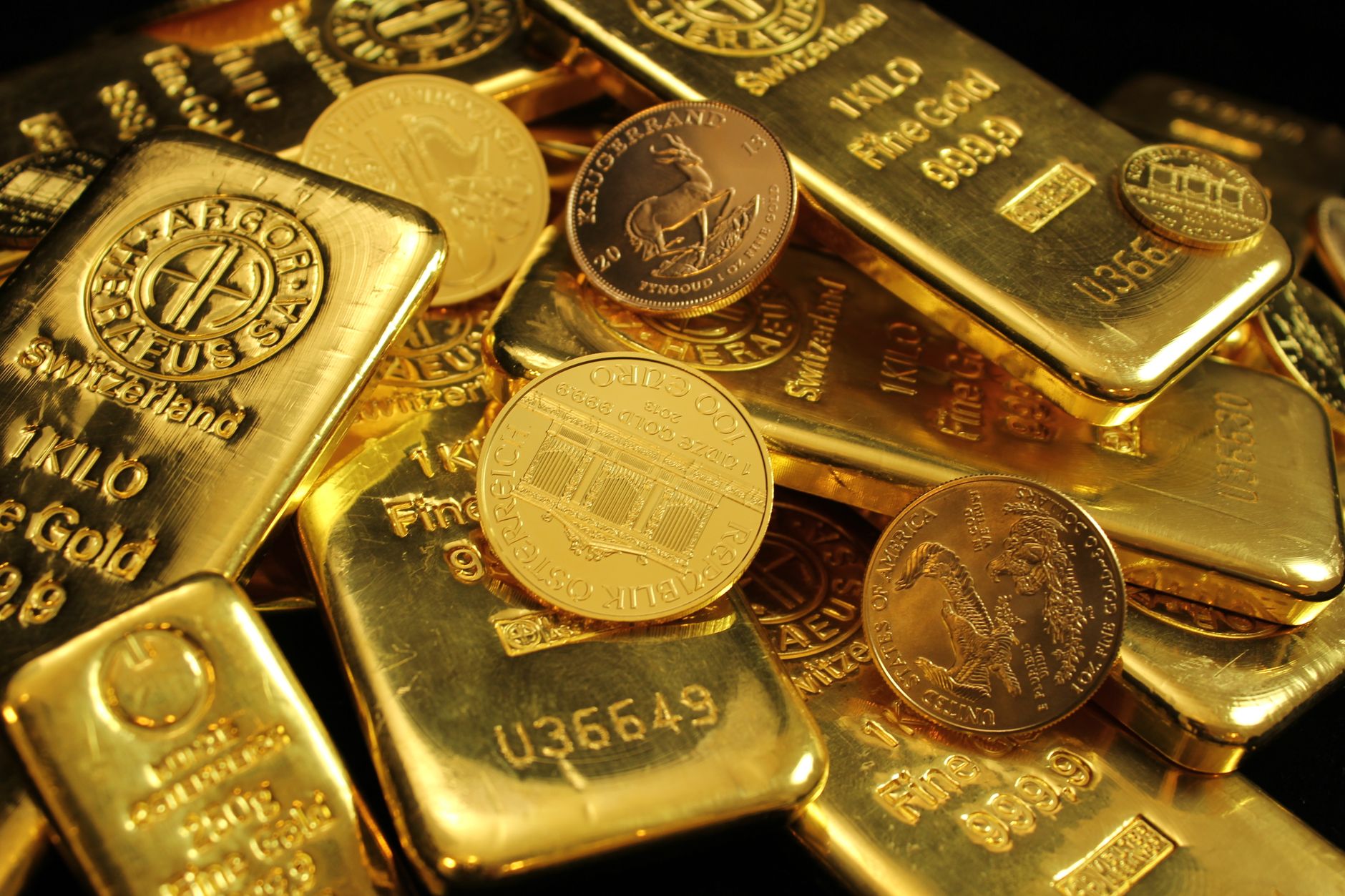
The vaults behind gold exchanges serve multiple crucial functions. They act as secure storage facilities for physical gold that backs the electronic trading on the platform. When gold is deposited in these vaults, it receives certification and is converted into tradeable electronic units.
These storage facilities employ military-grade security systems including biometric access controls, 24/7 surveillance, and multi-layered physical barriers. The gold stored is typically in the form of bars or coins that meet international purity standards, usually 995 or 999 fineness for different trading categories.
Vault operations also include assaying services where independent experts verify the purity and weight of gold deposits. This certification process is essential for maintaining market integrity and investor confidence.
How Trading Works with Vaulted Gold
When an investor purchases gold through the exchange, they essentially buy a claim to physical gold stored in the vault. This system offers several advantages over physical possession. Buyers avoid storage risks, insurance costs, and concerns about theft. The gold can be sold instantly during market hours without the need to physically transport the metal.
For those who wish to take physical delivery, the exchange facilitates withdrawal processes where certified gold bars are released from the vault to the buyer. This flexibility makes gold exchanges attractive to both investors seeking portfolio diversification and businesses requiring physical gold for manufacturing.
Benefits of the Exchange-Vault Model
The vault-backed exchange system brings transparency to India's gold market. Prices are determined through open market mechanisms rather than opaque local negotiations. This transparency extends to taxation, as all transactions are recorded and reported, reducing the prevalence of black money in gold trading.
Storage in exchange vaults also solves a significant problem for Indian households. Indians collectively hold an estimated 25,000 tonnes of gold, much of it sitting idle in homes and bank lockers. The exchange allows this gold to be mobilized economically without giving up ownership.
Additionally, the system supports India's goal of reducing gold imports. By creating a domestic recycling and trading mechanism, gold that enters the country can circulate more efficiently within the economy.
International Connectivity
India's gold exchange vaults are designed to connect with international bullion markets. The IIBX, operating from Gujarat's GIFT City, allows international participants to trade in offshore markets, positioning India as a global price-setter rather than just a price-taker for gold.
This international dimension means that gold stored in Indian vaults can be traded globally, and conversely, international gold can flow into India through proper channels, all while maintaining regulatory oversight.
The Future of Gold Exchanges in India
As digital payment systems and fintech solutions advance, gold exchanges are likely to offer even more sophisticated products. Gold-backed financial instruments, gold savings accounts linked directly to exchange vaults, and integration with digital rupee systems represent potential future developments.
The vault infrastructure will need to expand to accommodate growing trading volumes. Currently, capacity is being scaled up to meet demand from both institutional and retail participants who are gradually discovering the advantages of exchange-based gold investment over traditional methods.
This article provides general information about gold exchanges and vault operations for educational purposes only. It does not constitute financial or investment advice. Readers should consult qualified financial advisors and conduct thorough research before making any investment decisions regarding gold or other precious metals.