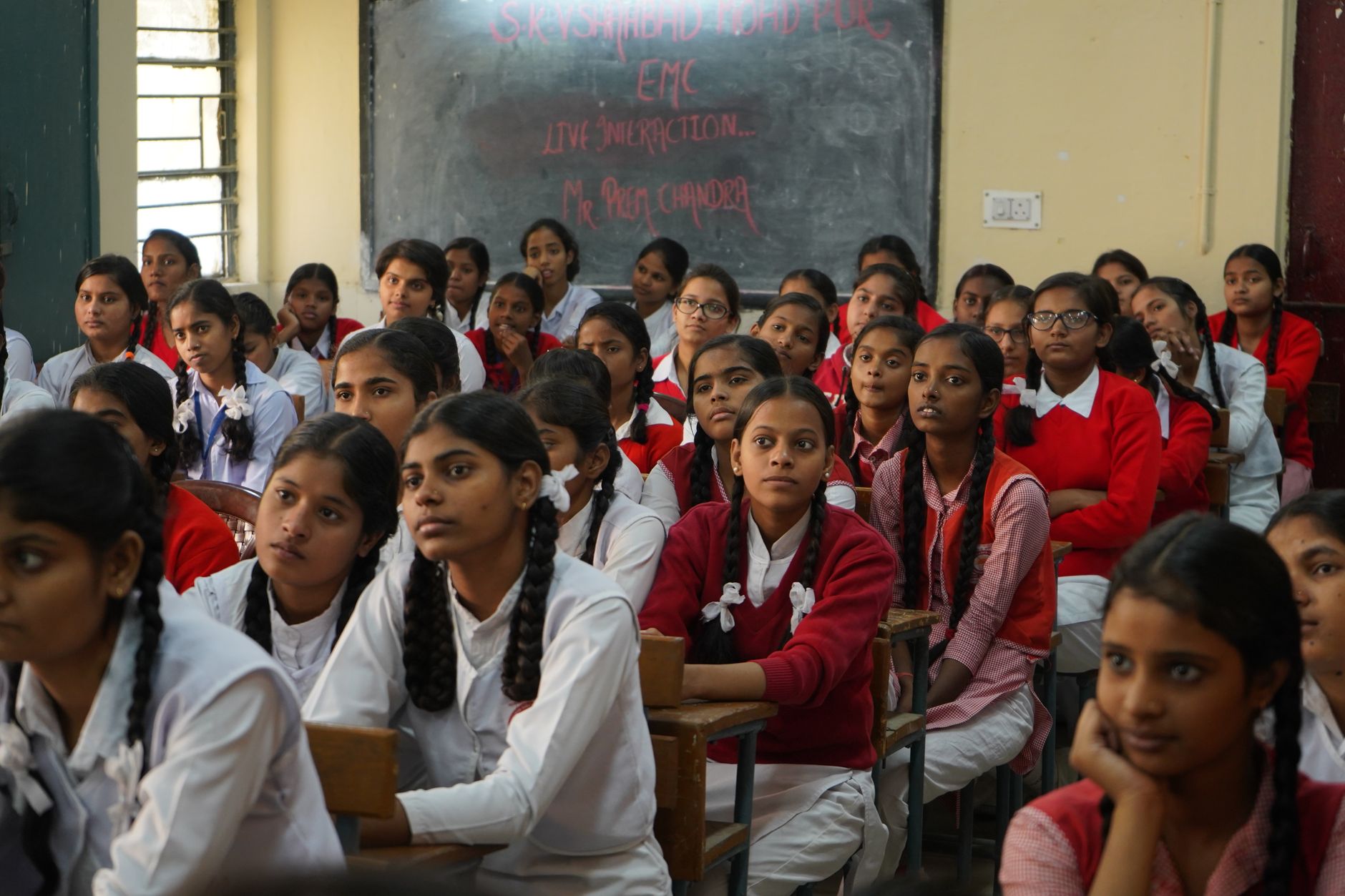
India has made remarkable progress in getting children through the school gates. Enrollment figures have reached historic highs, and classrooms across the country are indeed fuller than ever before. Yet beneath these encouraging statistics lies a persistent problem that continues to affect millions of families: eight out of every 100 girls enrolled in school do not make it to Class 10.
This gap between enrollment and retention reveals a fundamental truth about education in India. Getting children into school is only half the battle; keeping them there until they complete their basic education is an entirely different challenge.
The Enrollment Versus Retention Paradox
The difference between enrollment and retention is significant. Many schools report high initial enrollment numbers, buoyed by government schemes like mid-day meals, free textbooks, and uniforms. Parents are more willing than ever to send their daughters to school, at least initially. However, as children progress through the grades, various pressures mount, and dropout rates begin to climb, particularly for girls.
The crucial transition point often occurs between Classes 8 and 10. This is when students move from elementary to secondary education, face board examinations, and typically enter adolescence—a period that brings unique challenges, especially for girls in traditional households.
Economic Pressures on Families
Financial constraints remain one of the primary drivers of dropout rates. While government schools may be free, education still incurs costs: uniforms, books, transportation, private tuition, and examination fees. For families living on marginal incomes, these expenses can become prohibitive, particularly when they have multiple children.
When economic pressures force difficult choices, girls are often the first to be withdrawn from school. Families may prioritize sons' education, viewing it as a better long-term investment. Daughters, they reason, will eventually marry into another household, making their education seem less valuable to the family's economic future.
Early Marriage and Social Expectations
Child marriage, though illegal, persists in many parts of India. As girls reach puberty, families may feel increased pressure to arrange marriages, particularly in rural and semi-urban areas. Once a girl is viewed as being "of marriageable age," education often takes a backseat to wedding preparations.
Social expectations around household duties also play a significant role. Girls are frequently expected to help with domestic work, care for younger siblings, or contribute to family enterprises. As these responsibilities increase during adolescence, attending school regularly becomes difficult.
Safety and Infrastructure Concerns
The physical environment of schooling matters enormously, particularly for adolescent girls. Schools lacking proper toilet facilities, especially separate toilets for girls, contribute significantly to dropout rates. The onset of menstruation can make school attendance uncomfortable or impossible without adequate sanitary facilities and privacy.
Safety concerns during commutes also increase as girls grow older. Parents worry about their daughters traveling long distances to secondary schools, which are often located farther from home than primary schools. Inadequate public transportation and poorly lit roads compound these fears.
Quality of Education and Relevance
The quality of education itself can contribute to dropout rates. When teaching is poor, classes overcrowded, and learning outcomes disappointing, both students and parents begin to question the value of continued schooling. If a girl reaches Class 8 without achieving basic literacy and numeracy, families may see little point in further investment.
The curriculum's perceived relevance to real-life opportunities also matters. In communities where educated girls struggle to find employment or where traditional gender roles remain rigid, education may seem like an impractical pursuit rather than a pathway to empowerment.
Regional and Community Variations
Dropout rates vary significantly across states, districts, and communities. Some regions have successfully reduced gender gaps in education through targeted interventions, while others lag behind. Tribal and minority communities often face compounded disadvantages, with higher dropout rates than national averages.
Path Forward
Addressing this issue requires multi-pronged interventions. Beyond enrollment drives, schools need better infrastructure, especially sanitation facilities. Financial support must extend beyond primary classes. Communities need sustained engagement about the long-term benefits of girls' education. Flexible schooling options, such as bridge courses for girls who have dropped out, can provide second chances.
Equally important is addressing the demand side—changing social attitudes that devalue girls' education and perpetuate early marriage. Until education is seen as equally valuable for daughters as for sons, enrollment numbers alone will never tell the complete story of educational equity in India.