India's education system stands at a critical juncture. Despite numerous legislative interventions and policy announcements over the decades, fundamental challenges persist across schools and universities. The instinctive response to educational failures often involves drafting stricter regulations, imposing harsher penalties, or creating new compliance requirements. However, this approach addresses symptoms rather than underlying causes that continue to undermine learning outcomes for millions of students.
The Limitations of a Law-Centric Approach
Legislative measures certainly have their place in establishing standards and accountability. The Right to Education Act, regulations governing private institutions, and anti-ragging laws all serve important purposes. Yet laws alone cannot compensate for inadequate teacher training, outdated curricula, crumbling infrastructure, or deep-rooted inequalities in access to quality education.
When regulators respond to every education crisis with new rules, they risk creating a compliance-heavy environment that diverts resources and attention away from actual teaching and learning. Educational institutions spend significant time and money meeting regulatory requirements rather than improving pedagogy or student support systems.
The Teacher Quality Crisis
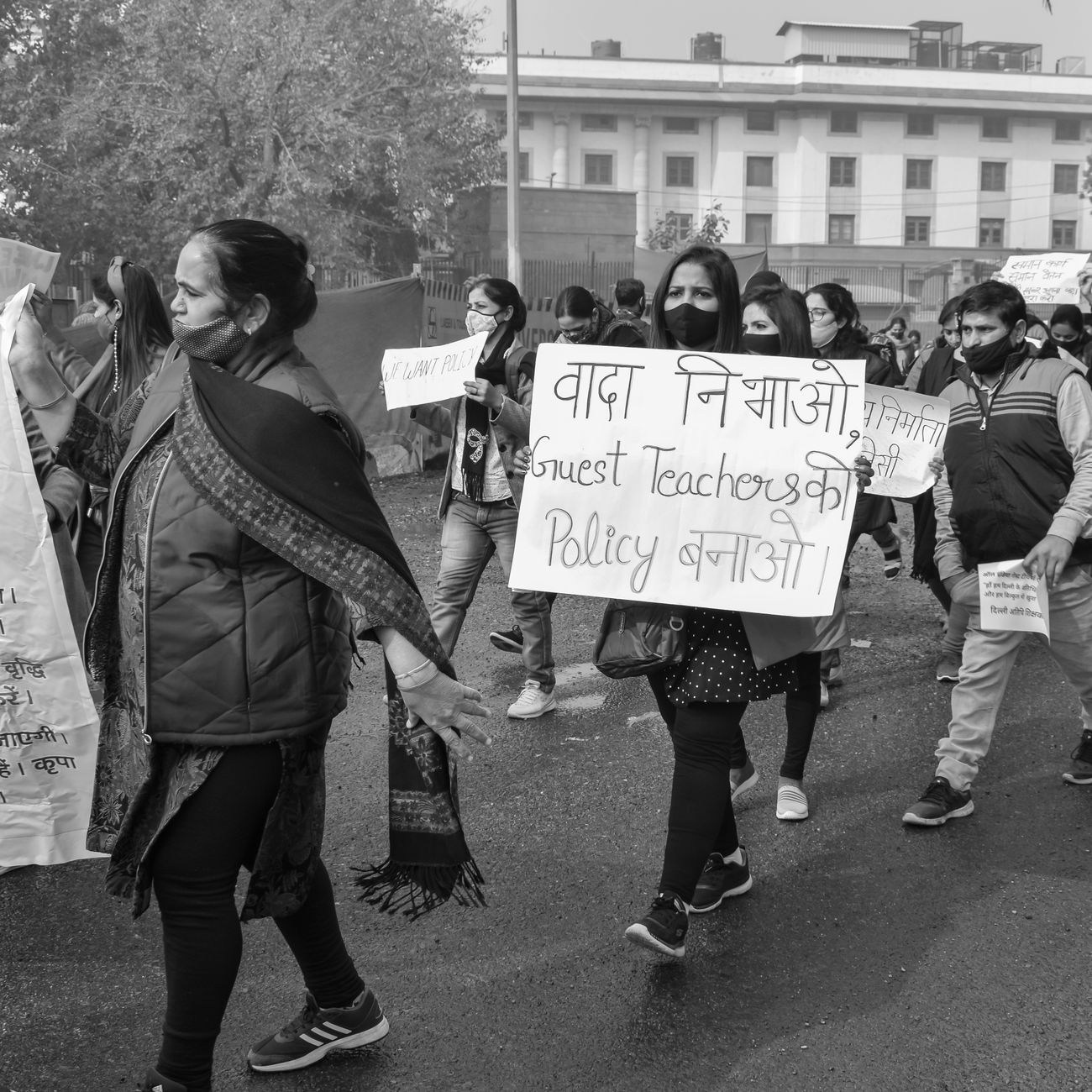
At the heart of India's educational challenges lies the question of teacher preparation and motivation. Many teachers enter classrooms without adequate subject knowledge or pedagogical training. In government schools particularly, high student-teacher ratios, administrative burdens, and deployment for non-teaching duties like election work further compromise teaching quality.
No amount of legislation can substitute for well-trained, motivated educators who understand both their subjects and how students learn. Countries that have successfully transformed their education systems invariably invested heavily in continuous professional development, competitive compensation, and creating respect for the teaching profession.
Infrastructure and Resource Gaps
Millions of Indian students still attend schools lacking basic facilities like functional toilets, drinking water, libraries, or science laboratories. In rural areas, single-teacher schools attempt to manage multiple grades simultaneously. Digital infrastructure remains inadequate even in urban areas, as the pandemic starkly revealed.
These material deficiencies cannot be legislated away. They require sustained financial investment, efficient resource allocation, and political will to prioritize education spending. While laws can mandate minimum infrastructure standards, implementation depends on adequate budgets and monitoring mechanisms that go beyond paperwork compliance.
Curriculum Relevance and Pedagogy
India's education system remains heavily examination-oriented, emphasizing rote memorization over critical thinking, creativity, and practical skills. Curricula often fail to reflect contemporary needs or connect with students' lives and aspirations. The National Education Policy 2020 acknowledges these issues, but translating policy vision into classroom reality requires more than regulatory mandates.
Genuine curriculum reform demands extensive teacher retraining, development of new learning materials, appropriate assessment methods, and cultural shifts in how success is measured. These transformations cannot be achieved through top-down directives alone but require participatory processes involving educators, students, and communities.
The Inequality Dimension
Perhaps the most profound challenge is the multi-tiered education system where quality varies dramatically based on socioeconomic status, geography, and social identity. Elite private schools offer world-class facilities while government schools in marginalized areas struggle with basics. This inequality perpetuates social stratification and limits social mobility.
Addressing educational inequality requires confronting uncomfortable questions about resource distribution, affirmative action, medium of instruction, and the role of private players. Legal interventions like fee caps or reservation policies play a role but cannot substitute for systemic efforts to improve government school quality and ensure equitable access.
What Comprehensive Reform Looks Like
Transforming India's education system requires a multi-pronged approach. Investment in teacher education and ongoing professional development must be prioritized. Infrastructure gaps need sustained funding commitments. Curricula should be regularly updated with stakeholder input. Assessment methods should evaluate diverse competencies beyond exam performance.
Additionally, educational governance needs strengthening with transparent accountability mechanisms that focus on learning outcomes rather than just compliance. Community participation in school management, as envisioned through School Management Committees, must become meaningful rather than tokenistic.
Technology can play a supporting role in expanding access and enhancing learning, but only when thoughtfully integrated with sound pedagogy and adequate digital infrastructure.
Moving Forward
Education reform is neither quick nor easy. It requires political consensus, sustained funding, patient implementation, and willingness to learn from evidence about what works. While laws establish frameworks and minimum standards, real transformation happens through investments in people, infrastructure, and processes that directly impact teaching and learning.
India's demographic dividend depends on educated, skilled citizens who can contribute to economic growth and democratic participation. Achieving this requires looking beyond legal fixes toward comprehensive, evidence-based reforms that address root causes rather than merely symptoms of educational dysfunction.