India's healthcare system faces a paradox. Despite having world-class tertiary care hospitals in major cities, millions of citizens struggle to access basic medical services. The solution lies not in building more super-speciality hospitals, but in strengthening primary healthcare—the often-overlooked foundation that serves as the nation's first and most crucial line of defence against disease.
Understanding Primary Healthcare
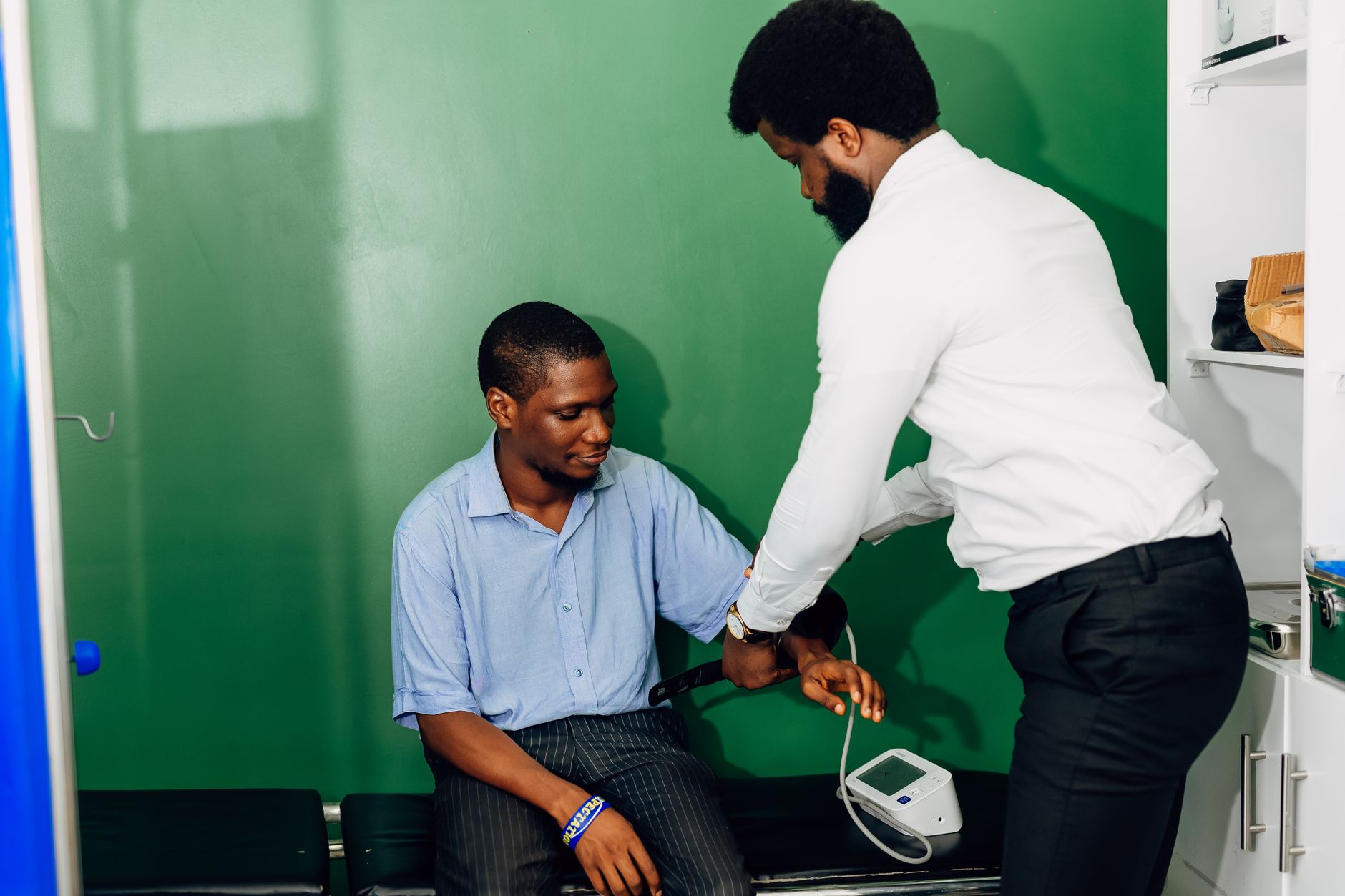
Primary healthcare refers to the first point of contact between individuals and the healthcare system. This includes primary health centres (PHCs), community health centres (CHCs), sub-centres, and urban health and wellness centres. These facilities provide preventive care, health education, basic treatment for common illnesses, maternal and child health services, immunisation, and referrals to higher-level facilities when needed.
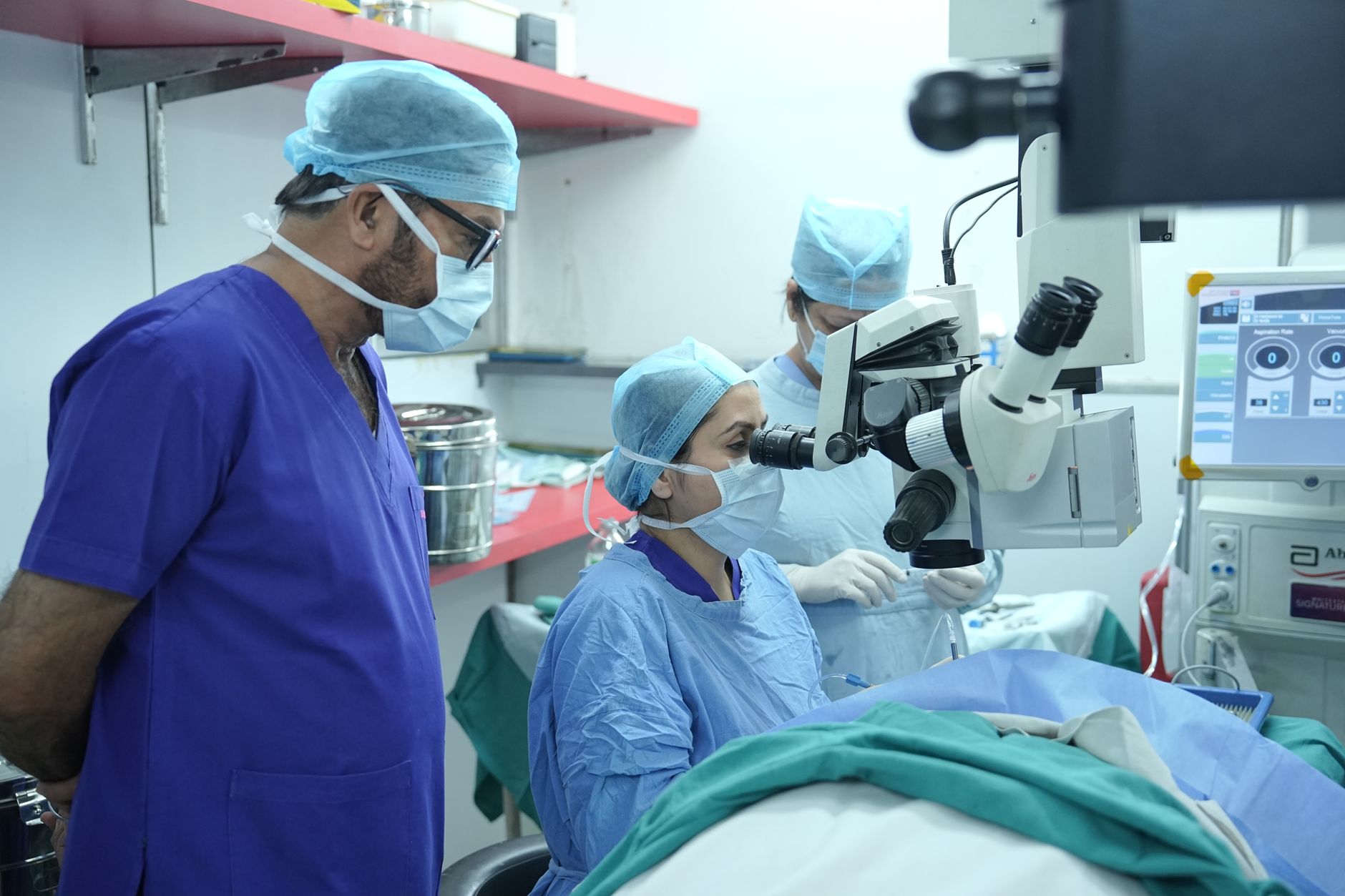
Unlike tertiary care hospitals that focus on specialised treatments for complex conditions, primary healthcare addresses the majority of health concerns that affect populations—from fever and infections to chronic disease management and preventive screenings.
The Economic Logic of Prevention
Treating diseases at the primary level costs a fraction of what tertiary care demands. A diabetic patient receiving regular monitoring and medication adjustment at a PHC can avoid complications that might later require costly hospitalisations, dialysis, or amputations. Similarly, early detection of hypertension through routine check-ups prevents strokes and heart attacks that burden both families and the healthcare system.
When primary healthcare fails, patients either delay treatment until conditions worsen or bypass primary facilities altogether to crowd tertiary hospitals. This creates a cascading effect where expensive tertiary care facilities become overwhelmed with cases that could have been managed at lower levels, while serious cases requiring specialised attention face longer waiting times.
Bridging the Rural-Urban Divide
Approximately 65 percent of India's population lives in rural areas, yet the majority of healthcare infrastructure and specialists concentrate in urban centres. Primary healthcare bridges this gap by bringing essential services to remote villages and underserved communities.
A well-functioning PHC can handle approximately 80 percent of common health problems, from treating infections to managing pregnancy complications. This prevents rural patients from undertaking expensive, time-consuming journeys to distant cities for conditions that require only basic medical intervention.
Disease Surveillance and Outbreak Prevention
Primary healthcare facilities serve as the eyes and ears of the public health system. Health workers at these centres are often the first to notice unusual disease patterns—whether seasonal flu, food poisoning outbreaks, or emerging infectious diseases. This early warning system enables swift public health responses that can prevent localised outbreaks from becoming epidemics.
The COVID-19 pandemic highlighted this function dramatically. Countries with strong primary healthcare systems were better equipped to conduct contact tracing, monitor quarantine compliance, and deliver vaccinations to remote populations.
The Current Challenges
Despite its importance, India's primary healthcare infrastructure faces significant challenges:
- Shortage of doctors and healthcare workers, with many positions remaining vacant in rural PHCs
- Inadequate infrastructure and medical equipment at existing facilities
- Poor quality of services that drives patients to seek private care or tertiary facilities
- Lack of essential medicines and diagnostic capabilities
- Insufficient focus on preventive care and health education
- Weak referral systems between primary, secondary, and tertiary levels
The Path Forward
Strengthening primary healthcare requires sustained investment in infrastructure, human resources, and quality improvement. The Ayushman Bharat programme's Health and Wellness Centres initiative represents a step in this direction, aiming to transform existing sub-centres and PHCs into comprehensive care facilities offering expanded services including screening for non-communicable diseases, mental health support, and palliative care.
Technology offers additional solutions. Telemedicine can connect primary healthcare workers with specialist consultations, while digital health records can improve care coordination. Mobile health units can extend services to the most remote areas.
Building Trust and Utilisation
Infrastructure alone cannot succeed without community trust. Primary healthcare facilities must demonstrate consistent quality, maintain adequate medicine stocks, and treat patients with dignity. When communities trust their local health centres, they utilise preventive services, seek early treatment, and follow medical advice—creating a virtuous cycle of better health outcomes.
India's vision of universal health coverage remains unattainable without a robust primary healthcare system. By investing in this first line of defence, the nation can prevent diseases, reduce healthcare costs, improve health equity, and build a healthier population. The choice is clear: strengthen the foundation, or watch the entire structure remain vulnerable.
This article is for general informational purposes only and should not replace professional medical advice. Readers should consult qualified healthcare providers for specific health concerns and medical conditions.