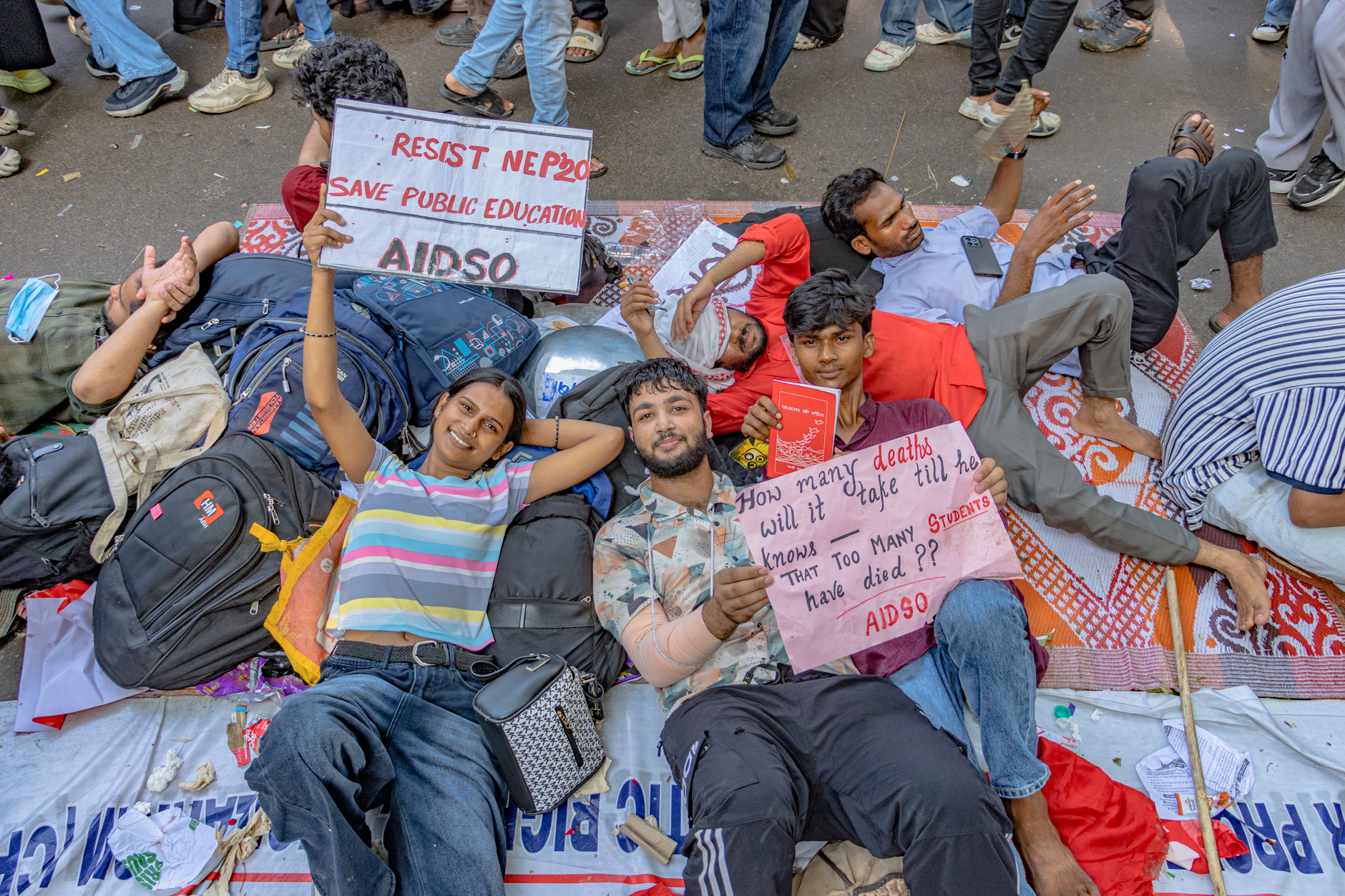
India's political landscape has witnessed a remarkable development as sustained protests led by students and young activists successfully pressured the education minister to resign. This unprecedented outcome demonstrates the growing power of youth movements in shaping India's democratic processes and raises important questions about what comes next for the country's education system.
The Power of Youth Activism
The successful campaign against the education minister represents a watershed moment for student activism in India. Historically, student movements have played significant roles in Indian politics, from pre-independence struggles to anti-corruption campaigns. However, achieving the removal of a cabinet-level minister through grassroots mobilization is relatively rare in contemporary India.
The youth-led movement employed a combination of traditional protest methods and modern digital organizing. Social media platforms enabled rapid coordination, fact-checking of government claims, and real-time documentation of protests. This hybrid approach proved effective in maintaining momentum and preventing the movement from being dismissed or ignored.
Core Demands and Grievances
Student movements typically coalesce around specific grievances that resonate broadly across educational institutions. Common concerns that drive such protests in India include:
- Inadequate infrastructure and resources in government schools and universities
- High unemployment rates among educated youth despite degrees
- Examination system reforms and paper leak scandals
- Fee hikes making higher education inaccessible to middle and lower-income families
- Concerns about curriculum changes and academic autonomy
- Issues related to reservation policies and social justice in education
The movement's success in forcing ministerial accountability suggests these concerns struck a deep chord with students, parents, and the broader public.
Challenges in Translating Protest into Policy
While removing a minister is symbolically significant, the harder work of implementing substantive reforms lies ahead. Youth movements face several challenges in converting street power into policy outcomes:
Sustaining momentum after achieving immediate goals proves difficult. Protesters must transition from opposition to constructive engagement with new leadership, requiring different skills and organizational structures.
The appointment of a new education minister does not guarantee policy changes aligned with protesters' demands. Political considerations, bureaucratic inertia, and competing priorities within government can dilute reform efforts.
Building institutional mechanisms for ongoing student input into education policy requires patience and sustained engagement. Ad-hoc protests cannot substitute for structured representation in decision-making bodies.
What Students Want Going Forward
Beyond the immediate grievance that sparked protests, comprehensive education reform requires addressing systemic issues:
Quality improvement across all levels of education remains paramount. This includes better teacher training, updated curricula reflecting modern job market needs, and investment in educational infrastructure, particularly in rural and underserved areas.
Making education more affordable and accessible represents another critical demand. Rising costs have placed higher education out of reach for many families, potentially limiting social mobility and economic opportunity.
Employment linkages between education and job markets need strengthening. Students increasingly question the value of degrees that fail to translate into decent employment opportunities.
The New Minister's Challenge
Whoever assumes the education portfolio faces the delicate task of responding to youth demands while navigating political realities. Early signals about priorities and openness to dialogue will be closely watched.
Successful ministers in similar situations have established formal channels for student input, commissioned independent reviews of contentious policies, and demonstrated willingness to course-correct when presented with evidence of policy failures.
Broader Implications for Indian Democracy
This episode highlights the evolving nature of political accountability in India. Citizens, particularly young people, increasingly expect responsive governance and are willing to mobilize when institutions fail to deliver.
The movement also demonstrates that sustained, organized pressure can achieve results even within established power structures. This may encourage similar activism on other issues affecting young Indians, from employment to environmental concerns.
The Path Forward
For lasting impact, the movement must evolve from protest to participation. This includes engaging with new leadership constructively, proposing detailed policy alternatives, and building coalitions with educators, parents, and civil society organizations.
Success will ultimately be measured not by ministerial resignations but by tangible improvements in educational quality, accessibility, and outcomes for millions of Indian students. The movement's ability to maintain pressure while contributing solutions will determine whether this moment becomes a turning point or merely a temporary disruption in business as usual.
The resignation of the education minister marks the end of one chapter but the beginning of a potentially more challenging phase: translating youth energy and demands into sustainable educational reform that benefits current and future generations of Indian students.