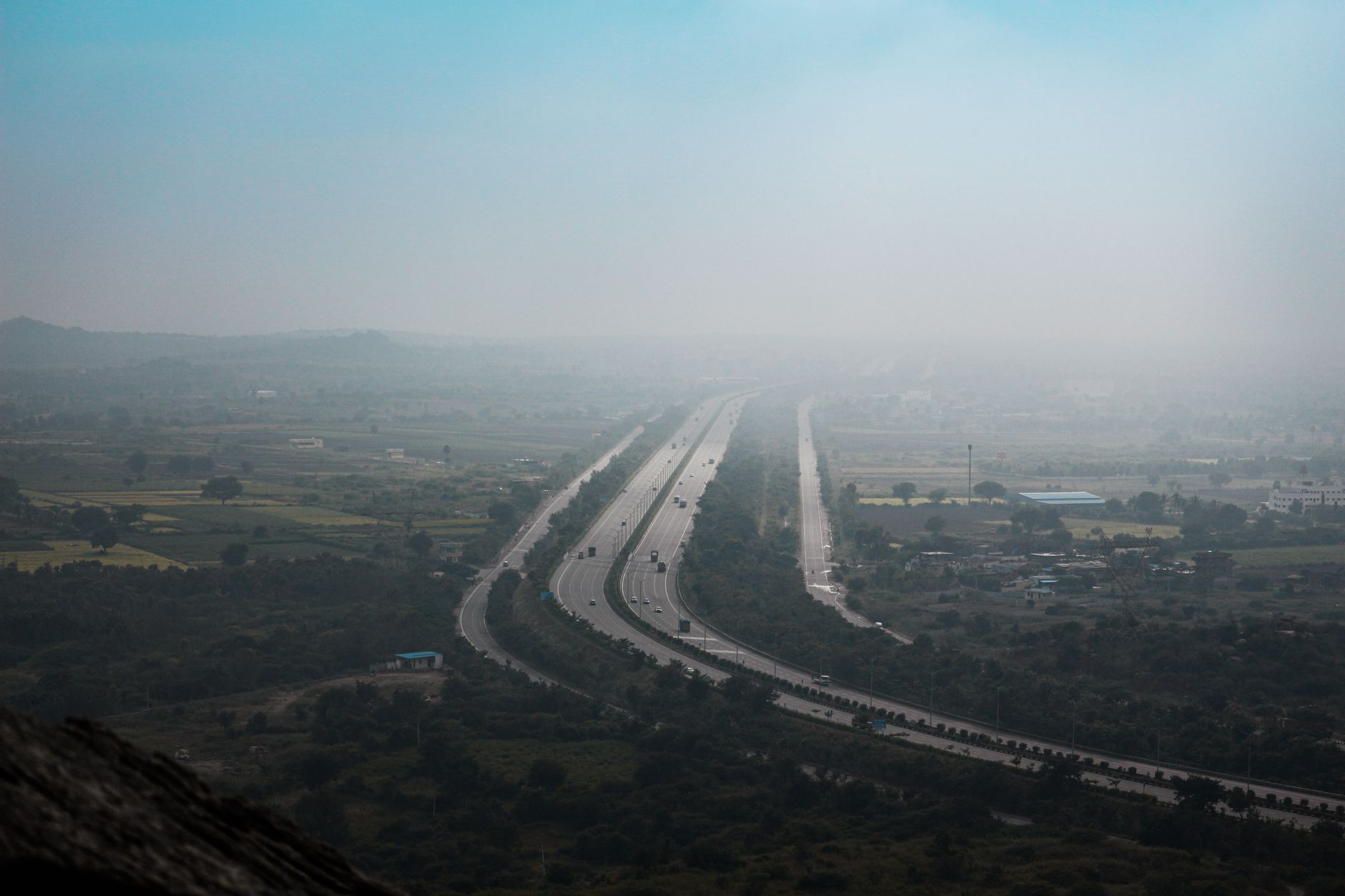
The Indian government has announced a massive infrastructure project worth ₹7,597 crore to expand and upgrade two critical national highways in Northern Telangana, marking a significant milestone in the region's connectivity and tourism potential. This ambitious undertaking focuses on NH-63 and NH-563, which serve as vital arteries connecting several districts and important religious destinations in the state.
Strategic Importance of the Highway Expansion
Northern Telangana has long faced connectivity challenges that have hindered both economic development and tourism growth. The region, which includes districts like Nirmal, Adilabad, Mancherial, and Komaram Bheem, hosts several important pilgrimage sites and agricultural markets but has suffered from inadequate road infrastructure. The expansion of these two national highways addresses this critical gap, promising to reduce travel times, improve road safety, and facilitate smoother movement of goods and people.
NH-63 runs through key districts in Northern Telangana, connecting the region to neighboring states like Maharashtra and Chhattisgarh. NH-563 serves as an important connector within the state, linking remote areas to major urban centers. The upgrading of these highways will involve widening existing stretches, constructing new bypasses around congested towns, building modern bridges, and implementing advanced traffic management systems.
Impact on Pilgrimage Tourism
One of the most significant beneficiaries of this infrastructure development will be the pilgrimage tourism sector. Northern Telangana is home to several important religious destinations that attract millions of devotees annually. The Basar Saraswathi Temple, Jainath Temple complex, and various other spiritual sites have historically been difficult to access due to poor road conditions.
The improved highway network will dramatically enhance the visitor experience for pilgrims traveling to these sacred sites. Reduced journey times and better road quality will encourage more tourists to explore these destinations, particularly during festival seasons. This increased footfall is expected to generate substantial revenue for local communities through hospitality services, local handicrafts, and related tourism businesses.
Religious tourism contributes significantly to India's overall tourism economy, and better connectivity often translates directly into increased visitor numbers. The transformation of these highways could position Northern Telangana as a more competitive pilgrimage destination, potentially rivaling better-connected religious circuits in other states.
Boosting Trade and Agricultural Commerce
Beyond tourism, the highway expansion promises substantial benefits for regional trade and agriculture. Northern Telangana is predominantly agricultural, with significant production of cotton, rice, turmeric, and other crops. Farmers in this region have long struggled with transportation challenges that result in delays, spoilage, and reduced bargaining power in distant markets.
The upgraded highways will enable faster movement of agricultural produce to major markets in Hyderabad, Nagpur, and other cities. This improved market access can help farmers secure better prices and reduce post-harvest losses. Additionally, the enhanced connectivity will facilitate the establishment of food processing units and warehouses along the highway corridors, creating new employment opportunities and adding value to local agricultural output.
Economic Growth and Employment Generation
Infrastructure projects of this magnitude create substantial employment opportunities during both construction and operational phases. The project is expected to generate thousands of direct and indirect jobs for engineers, construction workers, suppliers, and various service providers over the multi-year implementation period.
Long-term economic benefits include increased industrial investment in the region, as businesses favor locations with robust connectivity. The highways will reduce logistics costs for industries, making Northern Telangana more attractive for manufacturing units, particularly in sectors like textiles, agro-processing, and mineral-based industries given the region's natural resources.
Timeline and Implementation Challenges
Large-scale highway projects typically face challenges including land acquisition, environmental clearances, and coordination among multiple government agencies. While the financial allocation demonstrates strong government commitment, successful implementation will require careful planning and community engagement to minimize disruptions to existing settlements and agricultural lands.
The expansion project is likely to be executed in multiple phases, with priority given to the most congested and economically critical sections. Modern highway construction techniques and project monitoring systems will be essential to ensure quality standards and timely completion.
The ₹7,597 crore investment in NH-63 and NH-563 represents a transformative opportunity for Northern Telangana, promising to unlock the region's economic potential while making its rich cultural and spiritual heritage more accessible to travelers from across India and beyond.