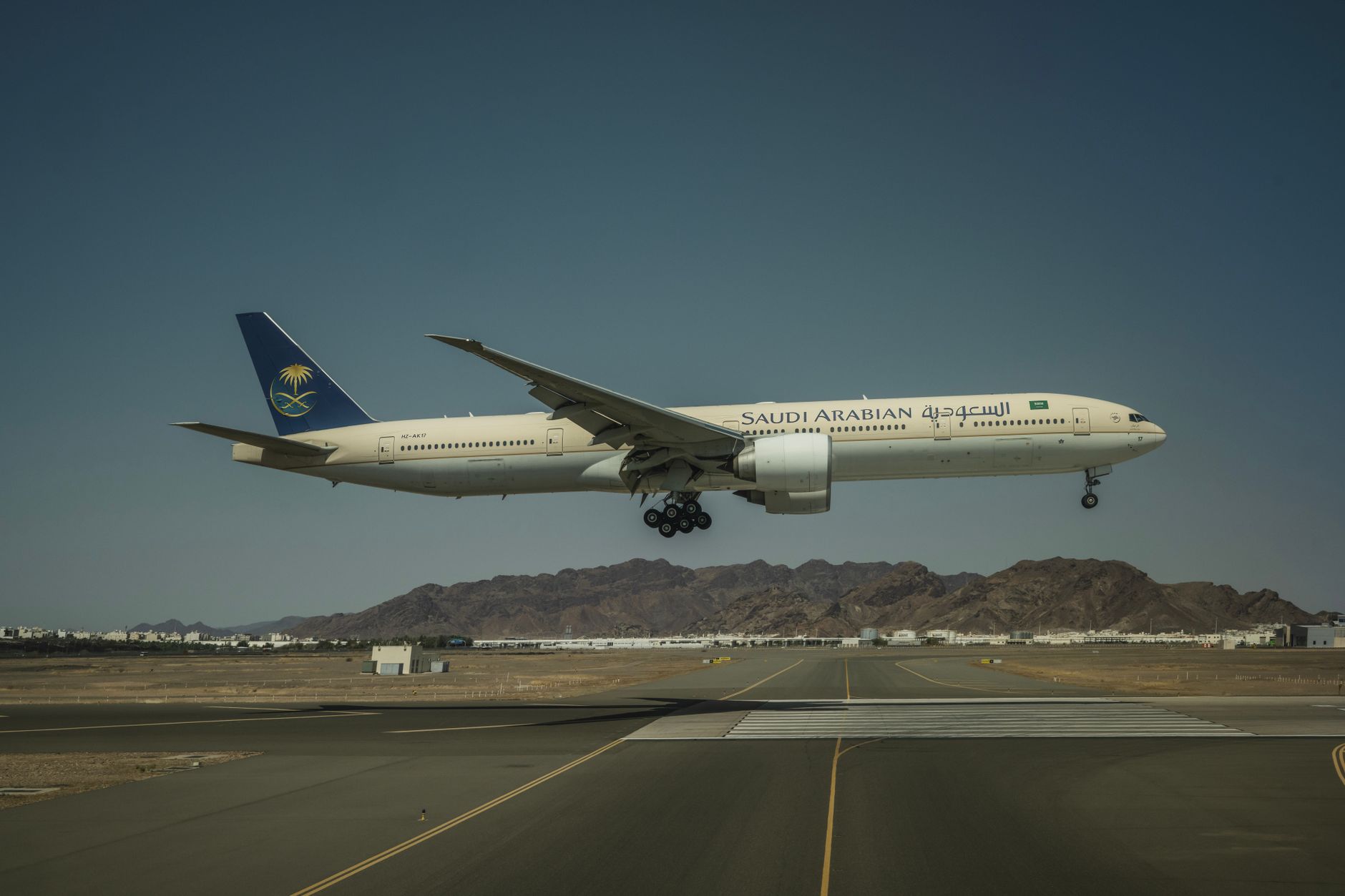
Air India and the Ministry of Tourism have announced a strategic collaboration aimed at showcasing India's diverse tourism offerings to global travelers. This partnership represents a significant step in India's efforts to increase international tourist arrivals and establish the country as a must-visit destination on the world tourism map.
The Strategic Partnership
The collaboration between Air India and the Tourism Ministry brings together the strengths of India's flagship airline with the government's tourism promotion machinery. Air India's extensive international network, which has been rapidly expanding following its acquisition by the Tata Group, provides crucial connectivity between India and key source markets across North America, Europe, Asia, and the Middle East.
This partnership is expected to involve joint marketing campaigns, coordinated promotional activities at international travel fairs, and improved packages that combine air travel with tourism experiences. By working together, both entities can present a unified brand message about India's tourism potential to prospective travelers worldwide.
Why This Matters for Indian Tourism
India has long been recognized for its rich cultural heritage, diverse landscapes, and spiritual significance, yet it has historically captured a smaller share of global tourism compared to its potential. Before the pandemic, India welcomed approximately 10 million international tourists annually, a figure many experts believe could be substantially higher given the country's attractions.
The partnership comes at a crucial time as global tourism rebounds from pandemic-era disruptions. Countries worldwide are competing aggressively for tourist dollars, and strategic partnerships between airlines and tourism authorities have proven effective in other markets like Thailand, Turkey, and the United Arab Emirates.
Air India's Expanding Role
Since returning to the Tata Group, Air India has been undergoing a comprehensive transformation. The airline has placed orders for hundreds of new aircraft, revamped its customer service approach, and expanded its route network. This modernization makes Air India better positioned to serve as an ambassador for Indian tourism.
The carrier's direct flights to major cities eliminate travel friction for international visitors, while its Indian identity allows for authentic cultural storytelling that resonates with travelers seeking genuine experiences. Air India can effectively communicate India's tourism narrative from the moment passengers book their tickets through their in-flight experience.
Focus Areas for Tourism Promotion
India's tourism landscape is remarkably diverse, offering something for virtually every type of traveler. The partnership is likely to highlight several key segments:
- Heritage and cultural tourism centered around monuments like the Taj Mahal, Rajasthan's forts, and ancient temple complexes
- Wellness and yoga tourism, leveraging India's reputation as the birthplace of these practices
- Adventure tourism in the Himalayas, Western Ghats, and coastal regions
- Wildlife tourism in national parks and tiger reserves
- Spiritual tourism to pilgrimage sites across different faiths
- Medical tourism, where India has established competitive advantages
- Business and MICE (Meetings, Incentives, Conferences, Exhibitions) tourism in major cities
Expected Outcomes and Benefits
The collaboration aims to deliver multiple benefits for India's tourism ecosystem. Increased international arrivals generate foreign exchange, create employment opportunities in hospitality and related sectors, and promote cultural exchange. Tourism development also encourages infrastructure improvements in destinations that benefit local communities.
For travelers, better coordination between the airline and tourism authorities could mean more comprehensive travel packages, improved information accessibility, and potentially competitive pricing that makes India more attractive compared to alternative destinations.
Challenges to Address
Despite the partnership's promise, certain challenges need attention for India to achieve its tourism potential. Infrastructure gaps in some tourist destinations, visa processing concerns, and the need for improved cleanliness and tourist facilities have been cited as areas requiring improvement. The partnership's success will partly depend on addressing these systemic issues alongside marketing efforts.
Additionally, India competes with well-established tourism brands in Asia and beyond. Creating a distinctive, compelling narrative that cuts through the noise of global tourism marketing requires sustained effort and investment.
Looking Ahead
This partnership between Air India and the Ministry of Tourism signals India's serious intent to claim a larger share of global tourism. As international travel continues recovering and evolving post-pandemic, India has an opportunity to reposition itself and capture the attention of new generations of travelers seeking authentic, diverse experiences.
The success of this initiative will be measured not just in tourist arrival numbers but in creating sustainable tourism that benefits local communities while preserving India's natural and cultural heritage for future generations.