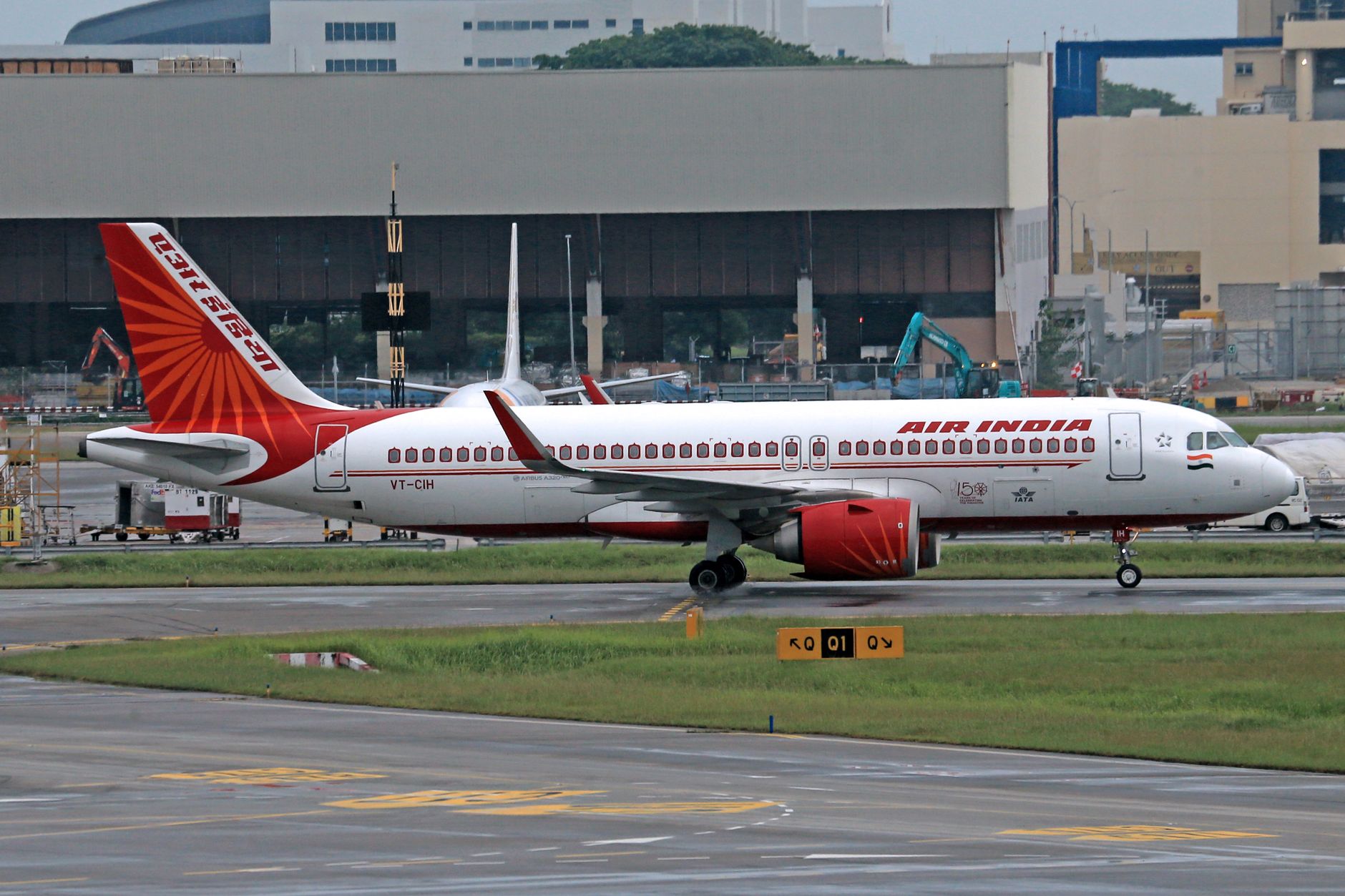
Air India's partnership with the Ministry of Tourism marks a significant step in India's ambition to strengthen its position on the global tourism map. This collaboration brings together the national carrier's extensive international connectivity with the government's promotional capabilities, creating a powerful platform to attract international visitors to India.
The Strategic Alliance
This partnership represents a natural synergy between two entities committed to showcasing India's diverse attractions. Air India, following its acquisition by the Tata Group and subsequent transformation, has been expanding its international routes and upgrading its fleet. The airline now serves as an ideal partner for promoting Indian tourism, as it provides the essential connectivity that brings international travelers to the country's doorstep.
The collaboration is expected to involve joint marketing initiatives, co-branded promotional campaigns, and coordinated efforts at major international tourism events and exhibitions. By combining resources, both parties can create more impactful messaging that highlights India's cultural heritage, natural beauty, adventure opportunities, and modern infrastructure.
Why This Partnership Matters
India has long been recognized for its historical monuments, spiritual destinations, and cultural richness, yet it has often lagged behind regional competitors in attracting international tourist arrivals. Countries like Thailand, Malaysia, and Singapore have historically captured larger shares of global tourism despite India's arguably more diverse offerings.
This partnership addresses a critical gap in India's tourism strategy. Having a well-connected, modern airline promoting destinations alongside official tourism bodies creates a seamless narrative for potential visitors. When travelers see consistent messaging about Indian destinations from both their chosen airline and tourism authorities, it builds confidence and interest.
Air India's Transformation Advantage
The timing of this partnership is particularly strategic. Air India has been undergoing a comprehensive transformation since returning to Tata Group ownership. The airline has placed orders for hundreds of new aircraft, revamped its service standards, modernized its branding, and expanded its route network significantly.
This renewed image makes Air India a more credible ambassador for India globally. The airline's improved service quality, newer aircraft, and enhanced customer experience align better with the premium tourism segments that India aims to attract. Business travelers, luxury tourists, and quality-conscious leisure travelers are more likely to consider India when they perceive the national carrier as world-class.
Focus Areas for Promotion
The partnership is likely to emphasize several key aspects of Indian tourism:
- Heritage and culture, including UNESCO World Heritage sites and festivals
- Wellness and yoga tourism, capitalizing on India's spiritual traditions
- Adventure tourism in the Himalayas and other natural landscapes
- Wildlife tourism in national parks and tiger reserves
- Medical tourism, where India has established expertise and cost advantages
- Business and MICE tourism in major metropolitan areas
- Coastal and beach destinations in Goa, Kerala, and the Andaman Islands
Economic Impact Potential
Tourism represents a significant economic opportunity for India. The sector contributes substantially to GDP, generates employment across skill levels, and supports numerous ancillary industries from hospitality to handicrafts. Increasing international tourist arrivals can boost foreign exchange earnings and support regional development in tourist destinations.
The partnership also comes at a crucial time as global travel rebounds following pandemic disruptions. Countries worldwide are competing aggressively for tourism revenues, making coordinated promotional efforts essential for India to capture its fair share of international travelers.
Implementation Challenges
While promising, this partnership will need to address practical challenges. Infrastructure at tourist destinations, including transportation, accommodation, and amenities, must match the expectations set by promotional campaigns. Visa processes, though improved in recent years, still require further streamlining to compete with countries offering visa-free or visa-on-arrival access.
Additionally, the partnership's success will depend on consistent service delivery, both by Air India in terms of flight experience and by tourism service providers on the ground. Any disconnect between marketing promises and actual visitor experiences could undermine the initiative's credibility.
Looking Ahead
This collaboration between Air India and the Ministry of Tourism signals India's serious intent to compete globally for tourism revenues. By aligning the national carrier's commercial interests with government tourism promotion objectives, the partnership creates a sustainable model for long-term destination marketing. Success will require continued investment in both aviation infrastructure and tourism facilities, along with coordinated messaging that accurately represents India's offerings to the world.