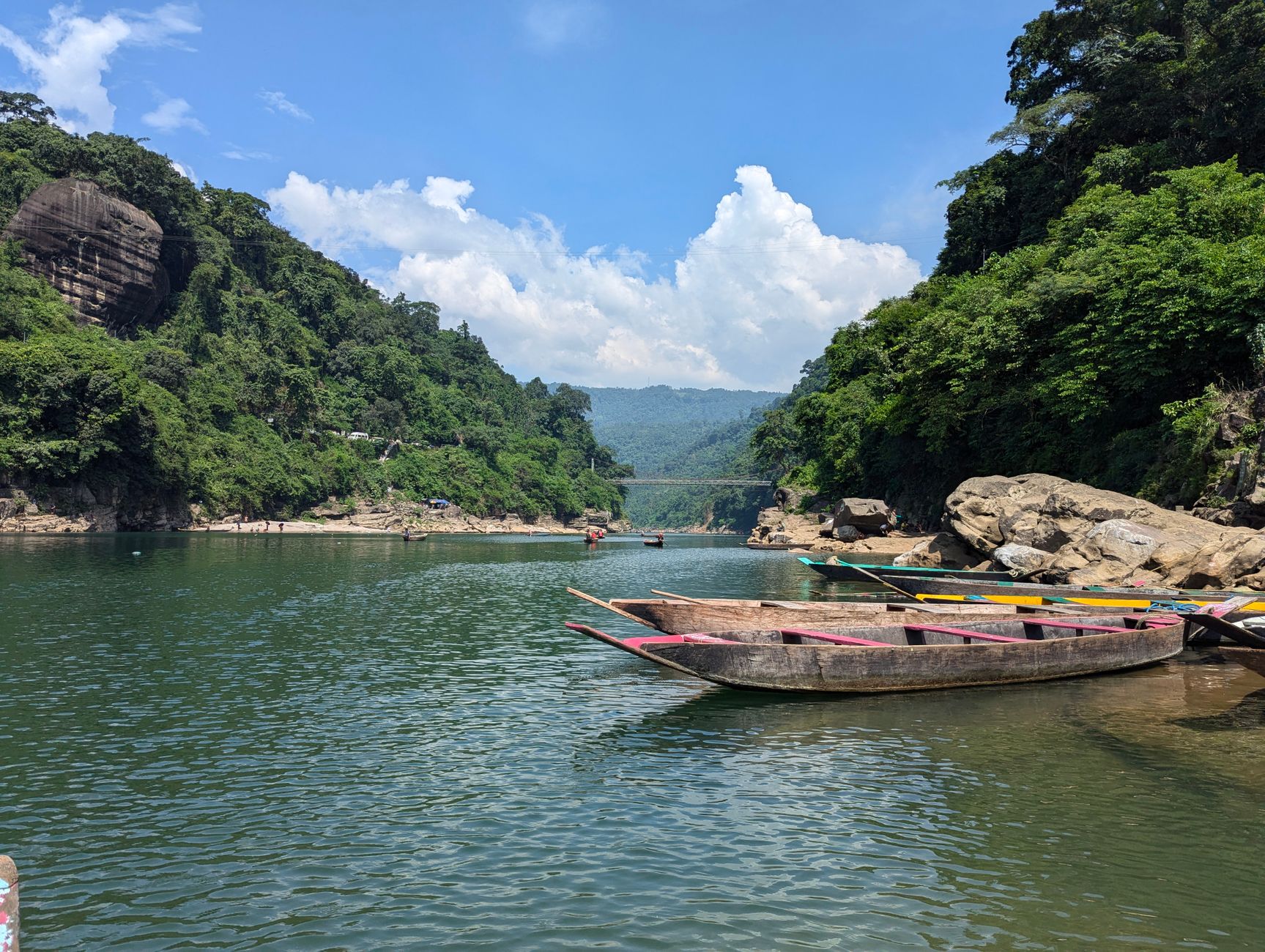
Assam's tourism sector has reached an unprecedented milestone, welcoming six crore travellers and establishing the state as a major destination in India's travel landscape. This achievement represents not just a statistical victory but a fundamental shift in how travellers perceive and explore Northeast India's diverse offerings.
The Numbers Behind the Success
The six crore tourist footfall represents a remarkable growth trajectory for a region that was once considered off the beaten path for most domestic and international travellers. This surge includes both domestic visitors discovering their own country's hidden treasures and international tourists seeking authentic experiences beyond India's traditional tourist circuits.
The achievement is particularly significant considering the infrastructural and connectivity challenges that Northeast India has historically faced. The region's remoteness and limited accessibility once deterred potential visitors, but systematic improvements in transportation, accommodation, and tourism infrastructure have transformed the landscape.
Key Attractions Driving Growth
Assam's appeal lies in its extraordinary diversity of experiences. The state is home to Kaziranga National Park, a UNESCO World Heritage Site renowned for its population of one-horned rhinoceroses. Wildlife enthusiasts from around the world visit this sanctuary, which also hosts significant populations of tigers, elephants, and numerous bird species.
The Brahmaputra River serves as the lifeline of Assam's tourism, offering river cruises that combine scenic beauty with cultural immersion. Travellers can explore the river's islands, including Majuli, the world's largest river island and a centre of Assamese neo-Vaishnavite culture.
Tea tourism has emerged as another major draw. Assam produces more than half of India's tea, and plantations across the state now welcome visitors for tours, tastings, and stays in heritage bungalows. These experiences provide insights into the colonial history and contemporary practices of tea cultivation.
Adventure Tourism Takes Centre Stage
The mountainous terrain and diverse ecosystems of Assam and neighbouring northeastern states have positioned the region as an emerging adventure tourism hub. Trekking routes through pristine forests, white-water rafting in turbulent rivers, and wildlife safaris attract thrill-seekers and nature lovers alike.
- Trekking expeditions in Dibru-Saikhowa National Park
- River rafting on the Brahmaputra and its tributaries
- Angling opportunities in hill streams
- Mountain biking trails through tea estates
- Camping experiences in wildlife sanctuaries
Cultural Immersion and Heritage Tourism
Assam's rich cultural tapestry provides another dimension to its tourism appeal. The state's festivals, particularly Bihu, attract cultural tourists interested in traditional music, dance, and celebrations. Ancient temples, historical sites from the Ahom dynasty, and living traditions of various tribal communities offer authentic cultural experiences.
The handloom and handicraft sector has also benefited from tourism growth. Visitors purchase Assamese silk, particularly the famous Muga and Pat varieties, supporting local artisans and preserving traditional crafts.
Infrastructure Development and Connectivity
Several factors have contributed to this tourism boom. Improved air connectivity with expanded services to Guwahati's Lokpriya Gopinath Bordoloi International Airport has made the region more accessible. Road infrastructure improvements have reduced travel times between major attractions.
The hospitality sector has responded with investments in accommodation ranging from luxury resorts to eco-friendly homestays. This diversity ensures options for travellers across budget ranges while creating employment opportunities for local communities.
Economic Impact and Future Outlook
The tourism surge has generated substantial economic benefits for Assam. Employment opportunities have multiplied in hospitality, transportation, guiding services, and handicraft sectors. Rural communities near tourist attractions have particularly benefited from this economic activity.
The success has also encouraged other northeastern states to develop their tourism potential, creating a regional tourism ecosystem. Travellers often combine visits to multiple states, exploring the distinct cultures and landscapes of Meghalaya, Arunachal Pradesh, Nagaland, and other neighbours.
Sustainability Challenges
With rapid tourism growth comes the responsibility of sustainable management. Authorities face the challenge of balancing visitor numbers with environmental conservation, particularly in ecologically sensitive areas like Kaziranga. Community involvement in tourism planning and implementation will be crucial to ensure that growth benefits local populations while preserving the region's natural and cultural heritage.
The six crore tourist milestone represents a new chapter for Assam and Northeast India. As awareness grows and infrastructure continues improving, the region is poised to become one of India's premier tourism destinations, offering experiences that combine natural splendour, cultural richness, and adventure opportunities found nowhere else in the country.