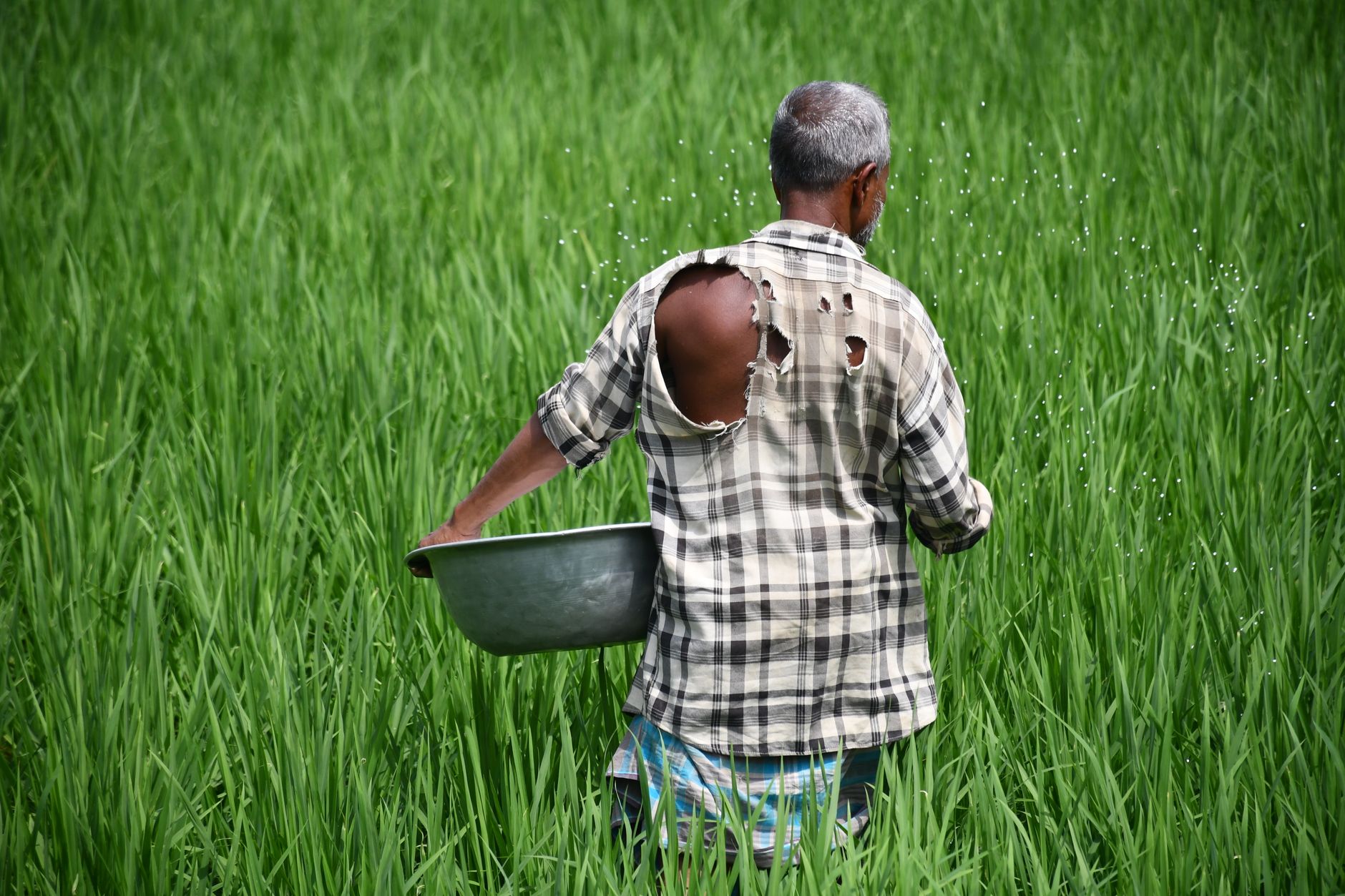
The Indian agricultural sector faces a recurring challenge that affects millions of farmers and the broader economy: unpredictable monsoon patterns. As climate variability increases, the question of whether improved seed technology can provide a solution has gained prominence among investors, policymakers, and farming communities alike.
The Monsoon Challenge
India's agricultural calendar revolves around the monsoon season, which typically arrives between June and September. Approximately 60 percent of India's cultivated area depends on rainfall, making monsoon performance critical to crop yields, farmer incomes, and food security. In recent years, delayed monsoons, erratic rainfall distribution, and sudden dry spells have created significant uncertainty for farmers.
This unpredictability affects not just rural livelihoods but also commodity prices, inflation rates, and overall economic growth. When monsoons fail or arrive late, farmers face crop losses, reduced income, and mounting debt burdens that often persist for years.
The Promise of Advanced Seed Technology
Modern seed technology offers several potential solutions to monsoon-related challenges. Drought-resistant seed varieties have been developed to withstand periods of water stress, allowing crops to survive and produce yields even when rainfall is below normal. These seeds typically feature deeper root systems, better water retention capabilities, and genetic modifications that enable plants to continue photosynthesis under stress conditions.
Short-duration crop varieties represent another innovation. These seeds allow crops to mature faster, enabling farmers to complete growing cycles even when monsoons arrive late or end early. By reducing the total water requirement over a shortened growing period, these varieties can help farmers adapt to changing rainfall patterns.
Hybrid seeds that combine multiple beneficial traits—such as pest resistance, disease tolerance, and climate adaptability—are also gaining traction. While more expensive than traditional seeds, they promise higher and more reliable yields, potentially justifying the additional investment.
The Investment Perspective
From an investment standpoint, the agricultural biotechnology and seed sector has attracted significant attention. Companies developing climate-resilient seeds are positioning themselves as essential players in food security and climate adaptation strategies. Both domestic Indian firms and multinational corporations are investing in research and development of seed varieties tailored to Indian conditions.
For individual farmers, however, the investment equation looks different. Premium seeds typically cost two to five times more than traditional varieties. For smallholder farmers operating on thin margins, this upfront cost represents a significant barrier, particularly when they remain uncertain about actual yield improvements.
The return on investment for farmers depends on multiple factors beyond seed quality, including soil health, irrigation access, pest management, and market prices at harvest time. Even the best seeds cannot fully compensate for severely deficient rainfall or other adverse conditions.
Ground Realities and Limitations
While improved seeds offer genuine benefits, they are not a standalone solution to monsoon variability. Access to irrigation infrastructure, crop insurance, better weather forecasting, and improved agricultural extension services all play crucial roles in helping farmers manage climate risks.
The adoption rate of advanced seeds varies significantly across regions and farmer communities. Factors such as awareness, affordability, availability through distribution channels, and trust in new technologies all influence whether farmers choose to invest in premium seeds. In many areas, traditional farming practices and locally adapted seed varieties remain dominant.
Additionally, seed performance can vary based on local soil conditions, microclimates, and farming practices. A variety that performs well in controlled trials or in one region may not deliver the same results elsewhere.
The Broader Solution Framework
Experts increasingly emphasize that addressing farmers' monsoon challenges requires a comprehensive approach rather than relying solely on seed technology. This includes investments in water conservation infrastructure, such as micro-irrigation systems and rainwater harvesting, strengthening crop insurance mechanisms to provide financial protection against weather-related losses, improving access to timely and localized weather information, and diversifying income sources through allied activities like dairy or poultry farming.
Better seeds can certainly be part of the solution, reducing vulnerability to monsoon variability and potentially improving yields. However, they work best when integrated into a broader framework of agricultural support, infrastructure development, and risk management tools.
For investors considering the agricultural technology sector, the long-term potential remains significant as climate challenges intensify. For farmers making planting decisions, improved seeds may offer valuable protection, but they represent just one tool among many needed to build resilience against monsoon uncertainty.