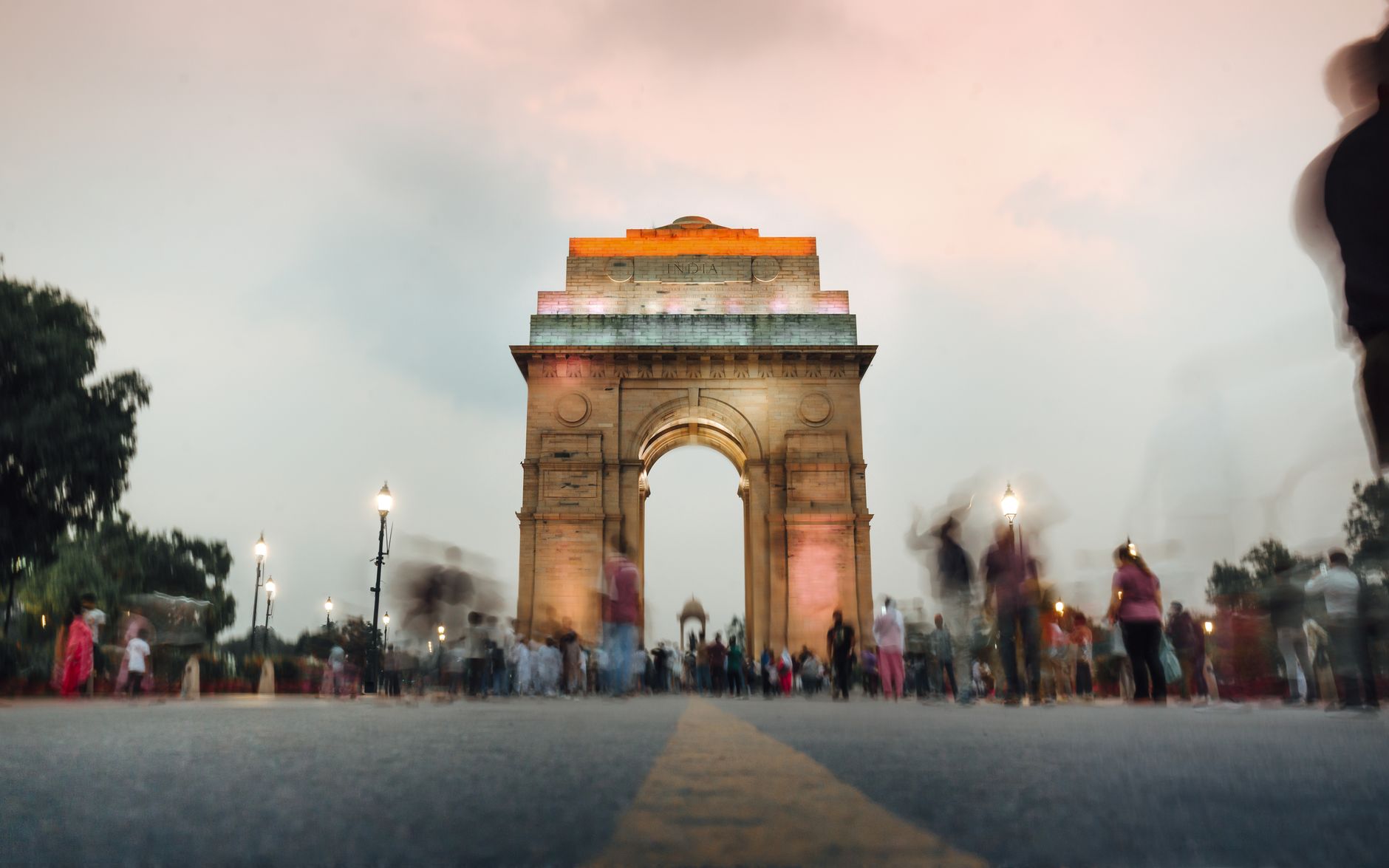
India stands at a critical juncture where tourism could become a transformative force for economic development and social progress. With its diverse landscapes, millennia-old heritage, and vibrant cultural tapestry, the country possesses unique advantages that remain underutilized in the global tourism market.
The Current State of Indian Tourism
India attracts approximately 10-12 million international tourists annually, a figure that pales in comparison to countries like France or Thailand, which welcome several times more visitors despite having fewer attractions. The domestic tourism market, however, tells a different story, with hundreds of millions of Indians traveling within the country each year. This internal movement demonstrates the appetite for travel and exploration among Indians themselves.
The tourism sector currently contributes around 6-7 percent to India's GDP and employs millions directly and indirectly. However, experts believe this represents only a fraction of its true potential. Countries with far fewer attractions have built tourism into a cornerstone of their economies, suggesting that India has significant room for growth.
Economic Benefits Beyond the Obvious
Tourism's economic impact extends far beyond hotel bookings and ticket sales. The sector creates a multiplier effect throughout the economy. When tourists visit a destination, they spend money on accommodation, food, transportation, shopping, and entertainment. This spending supports jobs in hospitality, retail, handicrafts, agriculture, and numerous other sectors.
- Employment generation across skill levels, from entry-level positions to specialized roles
- Support for small and medium enterprises, particularly in handicrafts and local cuisine
- Infrastructure development that benefits both tourists and local communities
- Foreign exchange earnings that strengthen the national economy
- Preservation and monetization of cultural heritage sites
The labor-intensive nature of tourism makes it particularly valuable for a country with India's demographic profile. Unlike manufacturing, which increasingly relies on automation, tourism inherently requires human interaction and service delivery.
Infrastructure and Connectivity Challenges
One of the primary obstacles to tourism growth in India remains inadequate infrastructure. While major cities and popular destinations have seen improvements, many potentially attractive locations suffer from poor connectivity, limited accommodation options, and inadequate basic facilities.
Transportation networks need expansion and modernization. Many heritage sites and natural wonders remain difficult to access, requiring long journeys on poorly maintained roads. Regional airports could unlock entire regions for tourism but require investment and better connectivity to major hubs.
Cleanliness and sanitation continue to be concerns for international visitors. While initiatives like Swachh Bharat have made progress, consistent maintenance and tourist-friendly facilities remain areas needing attention.
Digital Transformation and Marketing
India has made strides in digital governance and technology adoption, yet the tourism sector hasn't fully leveraged these advantages. Integrated digital platforms that simplify visa processes, booking systems, and tourist information could significantly enhance visitor experience.
Marketing India as a tourism destination requires sophisticated, sustained campaigns targeting different traveler segments. Adventure seekers, wellness tourists, heritage enthusiasts, and luxury travelers all have different needs and interests. Tailored messaging for these diverse audiences could expand India's appeal beyond traditional tourist circuits.
Sustainability and Responsible Tourism
As tourism grows, ensuring sustainability becomes crucial. Overtourism has damaged popular destinations worldwide, and India must avoid similar pitfalls. Developing alternative destinations, promoting off-season travel, and implementing carrying capacity limits at sensitive sites can help balance economic benefits with environmental and cultural preservation.
Community-based tourism models offer promising approaches, allowing local populations to benefit directly from tourism while maintaining control over their resources and cultural heritage. Such models have succeeded in various Indian states, providing templates for broader application.
The Path Forward
Realizing tourism's potential requires coordinated action across multiple fronts. Public-private partnerships can accelerate infrastructure development. Skill development programs can prepare the workforce for tourism-related employment. Regulatory simplification, particularly around permits and licenses, can encourage entrepreneurship in the sector.
State governments play crucial roles, as tourism often depends on local conditions and attractions. States that have prioritized tourism, creating conducive policy environments and investing in infrastructure, have seen substantial benefits. Sharing best practices across states could accelerate progress nationally.
India's journey toward becoming a premier tourism destination isn't just about economic metrics. It's about sharing the country's stories, traditions, and natural beauty with the world while creating opportunities for millions of Indians. With strategic planning and sustained commitment, tourism can indeed unlock significant new milestones for India's development.