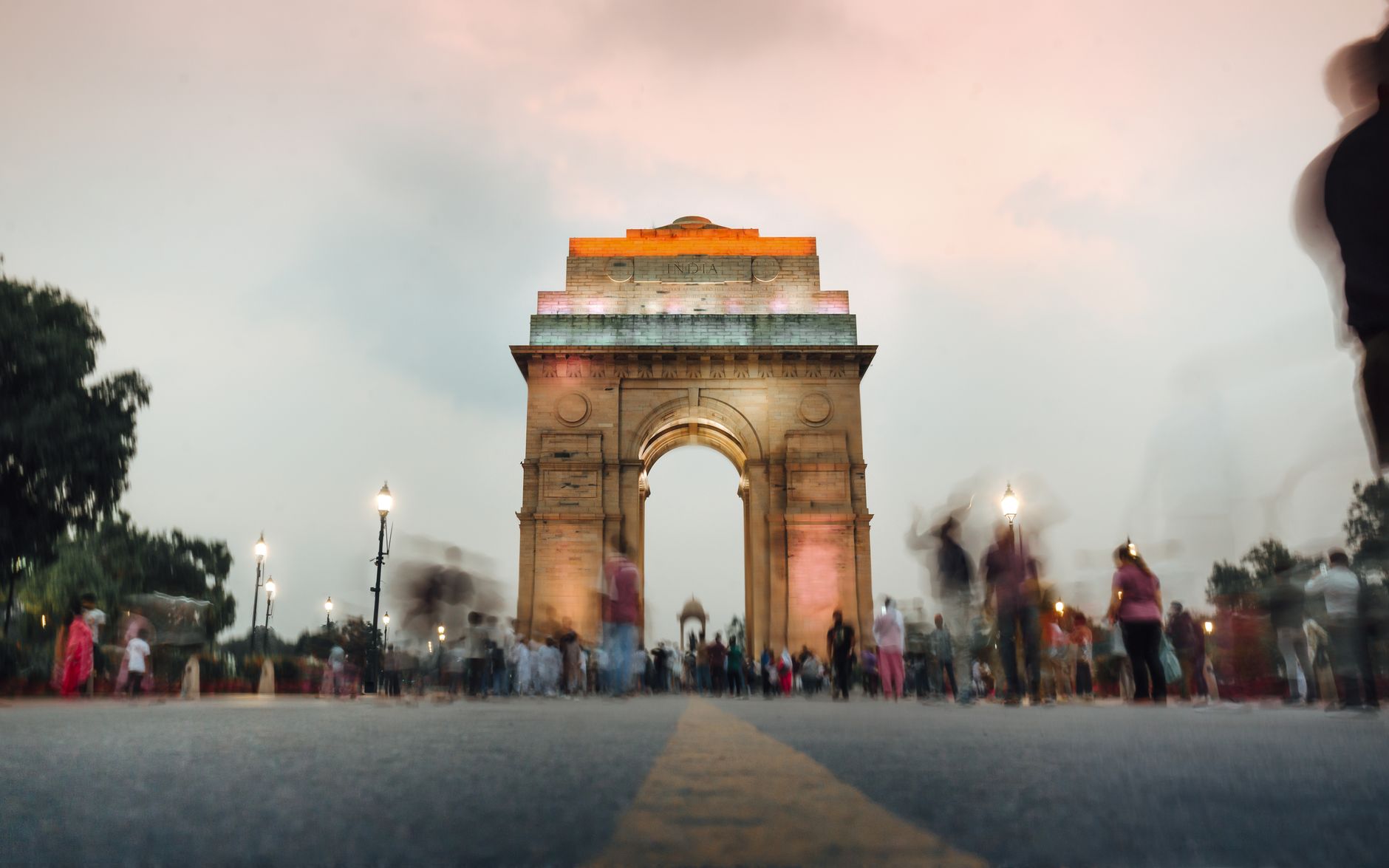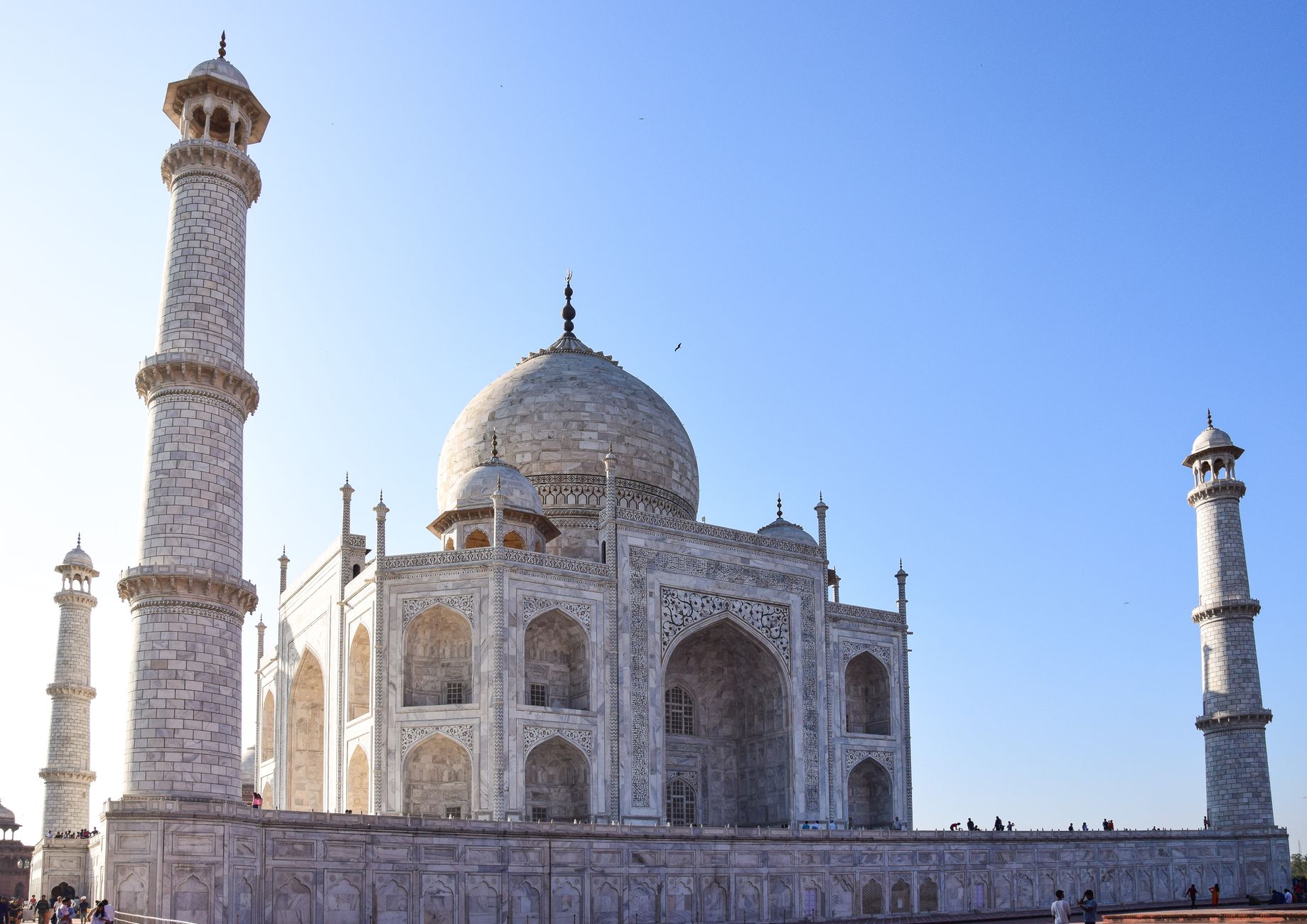
India's tourism sector stands at a critical juncture, with industry experts emphasizing the urgent need for policy reforms to unlock the country's full potential as a global travel destination. The World Travel and Tourism Council has highlighted two key areas requiring immediate attention: streamlining visa procedures and enhancing connectivity infrastructure.
The Current State of Indian Tourism
India has long been recognized for its rich cultural heritage, diverse landscapes, and historical monuments that attract millions of visitors annually. However, the country has struggled to capture the market share its assets deserve when compared to regional competitors like Thailand, Indonesia, and the United Arab Emirates. Despite being home to numerous UNESCO World Heritage Sites and offering experiences ranging from Himalayan adventures to tropical beaches, India's tourism numbers lag behind nations with comparable or fewer attractions.
The sector contributes significantly to employment and GDP, but analysts believe this contribution could multiply several times with targeted improvements in tourist facilitation and infrastructure.
The Visa Challenge
One of the most significant barriers to tourism growth in India remains the complexity of obtaining travel authorization. While the e-visa system introduced in recent years represented progress, travelers still face challenges including:
- Limited nationalities eligible for visa-on-arrival or simplified e-visas
- Processing delays during peak seasons
- Uncertainty about approval timelines
- Multiple visa categories creating confusion
- Restricted entry points for certain visa types
Countries that have liberalized their visa regimes have witnessed dramatic increases in tourist arrivals. Thailand's visa-free policies for numerous countries and Dubai's streamlined visa process have made these destinations particularly attractive for spontaneous travel and short visits.
Connectivity Gaps Holding Back Growth
Beyond visa issues, physical and digital connectivity remains a substantial obstacle. Many international travelers cite concerns about inadequate infrastructure connecting major attractions, particularly beyond the well-trodden Golden Triangle circuit of Delhi, Agra, and Jaipur.
Infrastructure Requirements
Improving domestic connectivity requires investment across multiple dimensions. Regional airports need expansion and better international flight connections, particularly to tier-two and tier-three cities near tourist destinations. Rail infrastructure, while extensive, requires modernization and faster connections between key tourist centers. Road connectivity to remote destinations, including mountain regions and coastal areas, needs significant upgrading.
Last-mile connectivity often proves most challenging, with tourists struggling to find reliable transportation options from airports or railway stations to their final destinations. This gap particularly affects independent travelers and those seeking off-beat experiences.
Digital Infrastructure
Modern travelers expect seamless digital connectivity throughout their journey. Reliable internet access, digital payment infrastructure, and mobile connectivity remain inconsistent outside major metropolitan areas. Tourist information systems, booking platforms, and customer service mechanisms require standardization and improvement to meet international expectations.
Economic Implications
Tourism represents one of the fastest paths to job creation and economic growth, particularly benefiting smaller communities and rural areas. Enhanced tourism could generate employment across hospitality, transportation, handicrafts, and related sectors. Foreign exchange earnings from tourism could substantially boost India's services export profile.
The multiplier effect of tourism spending ripples through local economies, supporting small businesses, artisans, and service providers who might otherwise lack economic opportunities. States with developed tourism infrastructure have consistently shown higher per-capita incomes and better human development indicators.
Learning from Global Examples
Successful tourism nations offer valuable lessons. Singapore's emphasis on efficient immigration processes and world-class infrastructure has made it a preferred hub despite limited natural attractions. Portugal's investment in connectivity transformed it into Europe's fastest-growing tourism market. These examples demonstrate that policy choices and infrastructure investment directly correlate with tourism success.
The Path Forward
Realizing India's tourism potential requires coordinated action from central and state governments, private sector participation, and sustained investment. Simplifying visa processes should be prioritized, potentially expanding visa-free travel for more nationalities or introducing genuinely visa-free entry for short stays from select countries.
Infrastructure development must focus on both physical connectivity and digital enablement. Public-private partnerships could accelerate development while maintaining quality standards. Training programs to enhance service quality and tourist safety measures would complement infrastructure improvements.
The recommendations from global tourism bodies present India with a roadmap to transform its tourism sector from underperformer to global leader, leveraging its unmatched cultural and natural assets while meeting modern traveler expectations.