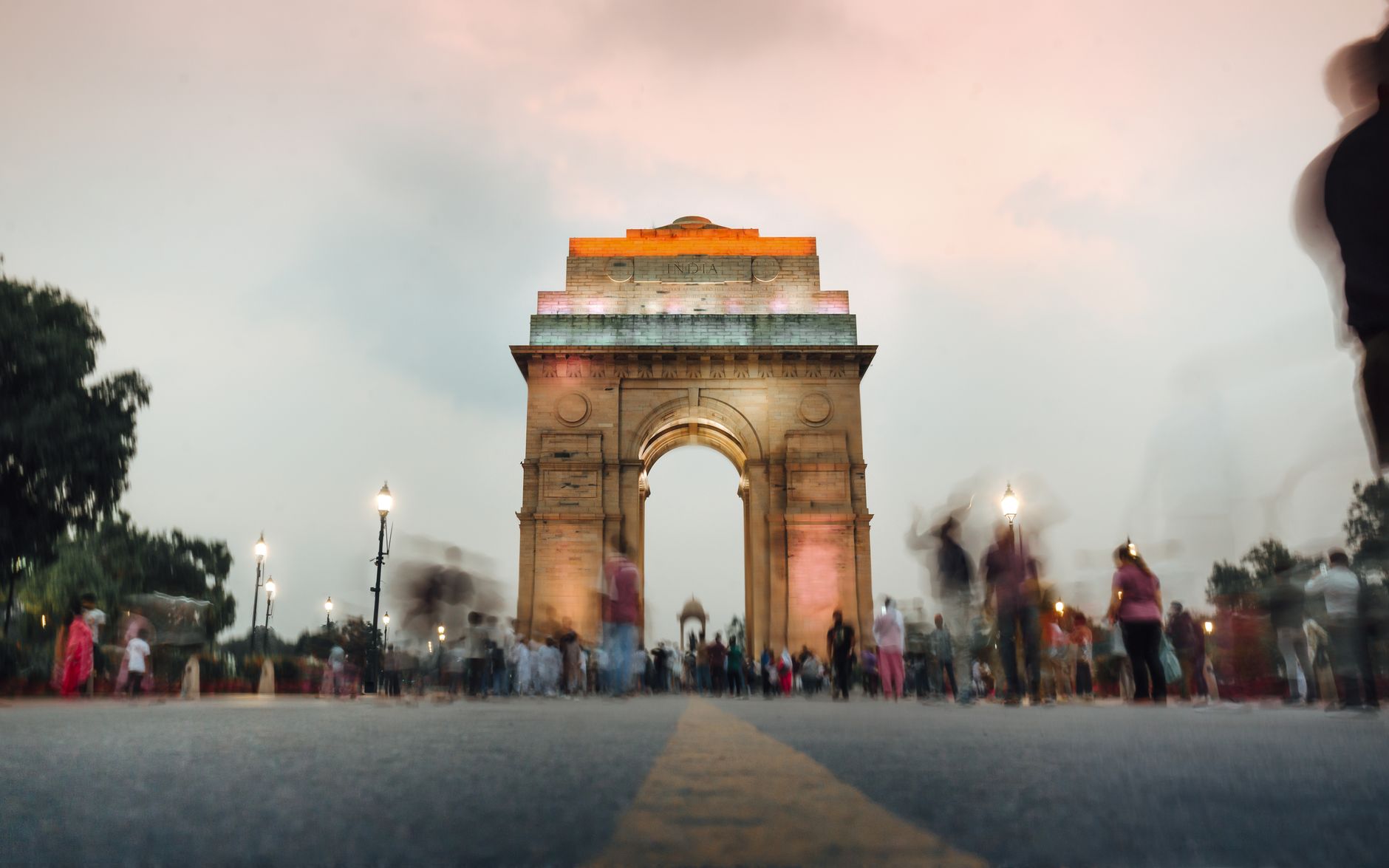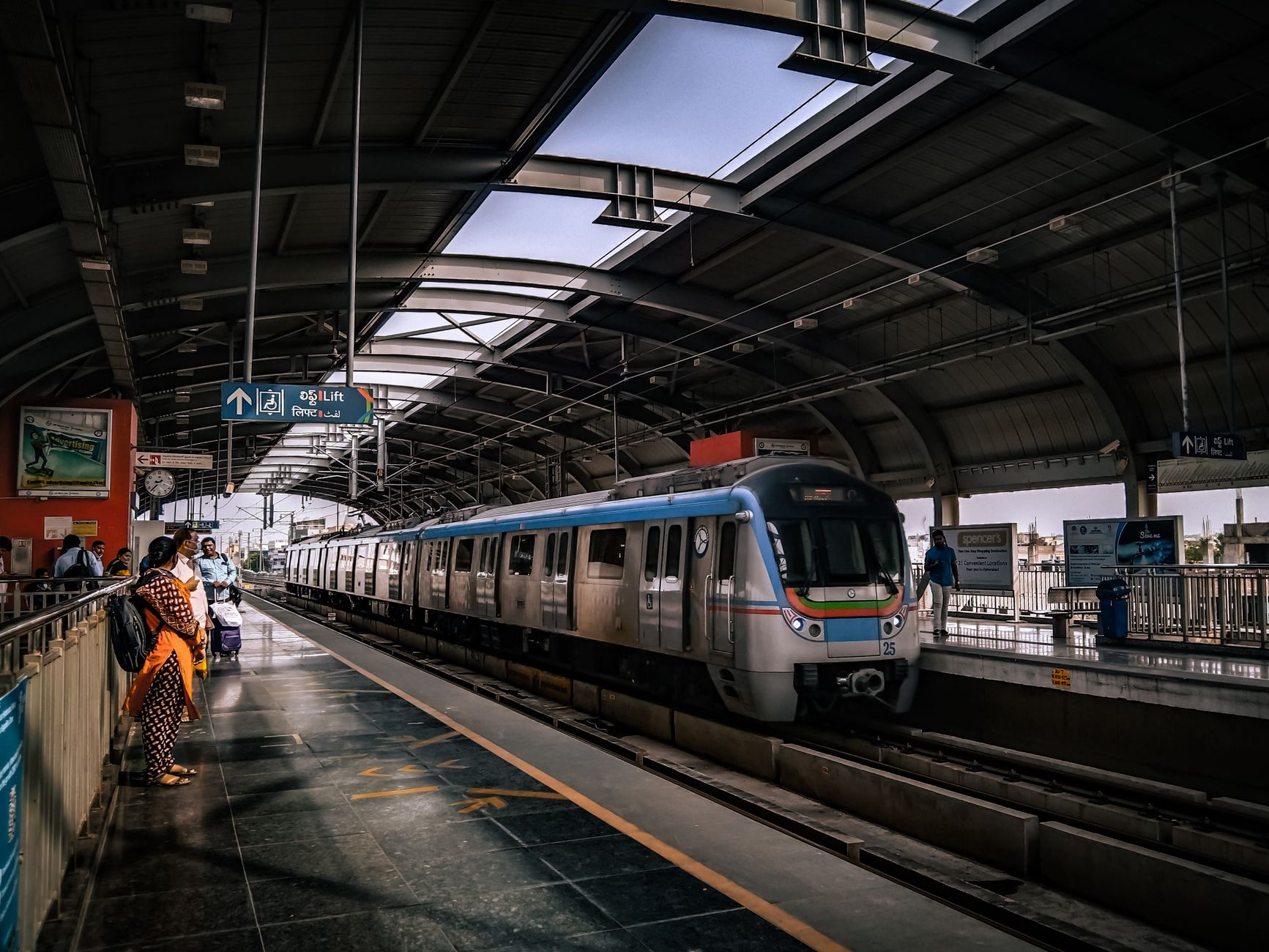
India is witnessing a remarkable transformation in its travel and mobility sector, marking a significant shift in how its citizens move within and beyond the country's borders. This evolution reflects broader economic changes, infrastructure investments, and a growing appetite for exploration among Indian travelers.
The Infrastructure Revolution
India's transportation infrastructure has undergone substantial upgrades in recent years. The expansion of highways under the Bharatmala Pariyojana project has connected remote regions to major cities, reducing travel times significantly. The Delhi-Mumbai Expressway and similar projects are cutting journey times between major metros by several hours, making road trips more attractive to travelers.
The railway network, already one of the world's largest, continues to modernize with the introduction of Vande Bharat trains and station redevelopment projects. These improvements are making rail travel faster, more comfortable, and more accessible to the average Indian family. Additionally, the UDAN scheme has democratized air travel by connecting tier-2 and tier-3 cities with affordable regional flights, opening up previously inaccessible destinations.
The Rise of the Indian Traveler
India's growing middle class has emerged as a powerful force in the travel industry. With increasing disposable incomes and changing lifestyle aspirations, more Indians are prioritizing travel experiences. Domestic tourism has flourished, with Indian travelers exploring their own country's diverse landscapes, from the Himalayas to Kerala's backwaters, from Rajasthan's deserts to the Northeast's pristine valleys.
International travel among Indians has also surged. Indian tourists are now among the fastest-growing segments globally, with destinations across Southeast Asia, Europe, and the Middle East seeing increasing arrivals from India. This outbound tourism growth reflects not just financial capacity but also a desire for cultural experiences and international exposure.
Digital Transformation in Travel
Technology has revolutionized how Indians plan and book their journeys. Travel aggregators and booking platforms have made price comparisons seamless, while digital payments have simplified transactions. The integration of UPI and digital wallets has made cashless travel a reality, from booking tickets to paying at remote destinations.
Social media has played a crucial role in inspiring travel decisions. Instagram-worthy destinations have gained popularity, and travel influencers shape itineraries for millions of followers. This digital influence has brought lesser-known destinations into the spotlight, distributing tourist traffic more evenly across the country.
Sustainable and Experiential Travel
A notable shift in Indian travel preferences is the move toward sustainable and experiential tourism. Younger travelers, in particular, are seeking authentic experiences over conventional sightseeing. Homestays, eco-resorts, and community-based tourism initiatives are gaining traction as travelers look for meaningful connections with local cultures and environments.
Adventure tourism has also seen significant growth, with activities like trekking, river rafting, and wildlife safaris becoming mainstream. States like Uttarakhand, Himachal Pradesh, and Ladakh have positioned themselves as adventure destinations, attracting thrill-seekers from across the country.
Challenges and Opportunities
Despite the positive momentum, challenges remain. Overcrowding at popular destinations threatens both visitor experience and environmental sustainability. Infrastructure in some tourist hotspots struggles to keep pace with demand, leading to concerns about waste management and resource depletion.
However, these challenges present opportunities for innovation. The development of new destinations can distribute tourist traffic more evenly. Smart tourism solutions using technology can enhance visitor management. Investment in sustainable infrastructure can ensure long-term viability of tourist destinations.
The Road Ahead
The future of travel in India looks promising. Government initiatives promoting regional tourism, coupled with private sector investments in hospitality and transportation, are creating an ecosystem that supports diverse travel needs. The focus on developing tourism circuits and promoting cultural heritage sites is helping preserve India's rich legacy while generating economic opportunities.
As India continues to improve its travel infrastructure and services, the sector is poised to contribute significantly to employment generation and economic growth. The movement of people—whether for leisure, pilgrimage, business, or adventure—reflects a nation confident in its development trajectory and eager to explore the possibilities that lie ahead.
The transformation of India's travel sector represents more than just improved connectivity; it symbolizes a society on the move, embracing new experiences, and connecting with its diverse heritage and landscapes in unprecedented ways.