India's travel and tourism sector is poised for remarkable growth over the next decade, with projections placing it among the world's top four economies in the industry. This optimistic forecast comes as the country continues to invest heavily in infrastructure, ease travel processes, and capitalize on its diverse cultural and natural attractions.
Understanding the WTTC Projection
The World Travel & Tourism Council, a global authority representing the private sector of travel and tourism, regularly analyzes economic trends and forecasts industry growth across nations. Their projection for India reflects a combination of factors including economic expansion, infrastructure development, and changing consumer behaviors both domestically and internationally.
Currently, India ranks among the top ten travel economies globally, but the anticipated jump to fourth position would represent a significant milestone. This growth trajectory places India ahead of many established tourism powerhouses and signals a fundamental shift in global travel patterns.
Key Drivers Behind India's Tourism Growth
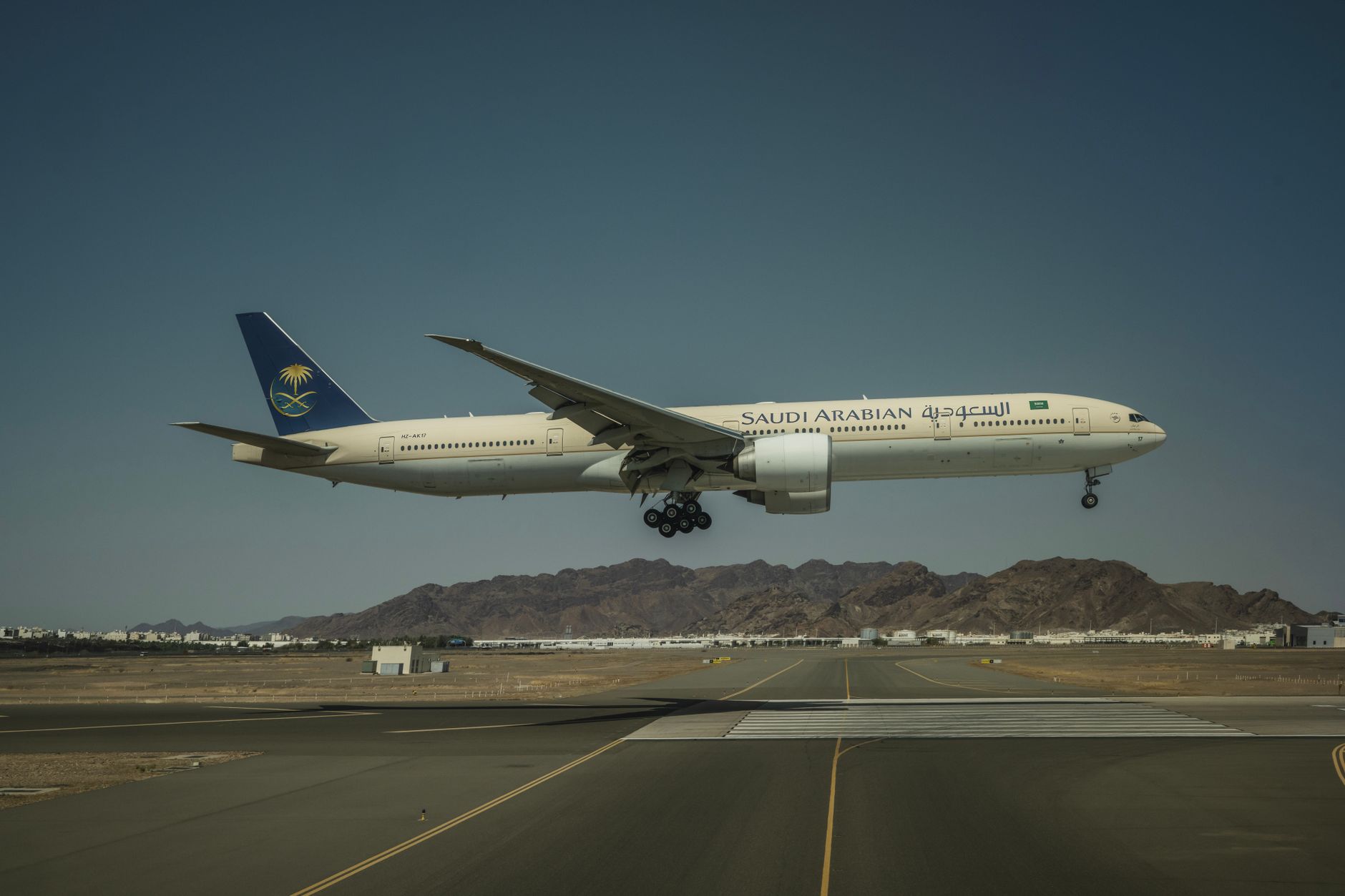
Several interconnected factors are propelling India's travel sector forward. Infrastructure modernization stands at the forefront, with new airports, enhanced rail connectivity, and improved road networks making previously inaccessible destinations more reachable. The government's focus on developing regional airports has been particularly transformative, opening up tier-2 and tier-3 cities to both domestic and international travelers.
Digital transformation has revolutionized how Indians plan and book travel. The proliferation of online travel platforms, mobile applications, and digital payment systems has made travel planning more accessible and affordable. This technological shift has particularly impacted younger demographics who are increasingly prioritizing experiences over material possessions.
The rise of the Indian middle class represents perhaps the most significant driver. With growing disposable incomes and changing lifestyle aspirations, millions of Indian families are taking their first domestic and international trips. This demographic shift is creating sustained demand that supports the sector's long-term growth trajectory.
Domestic Tourism Leading the Charge
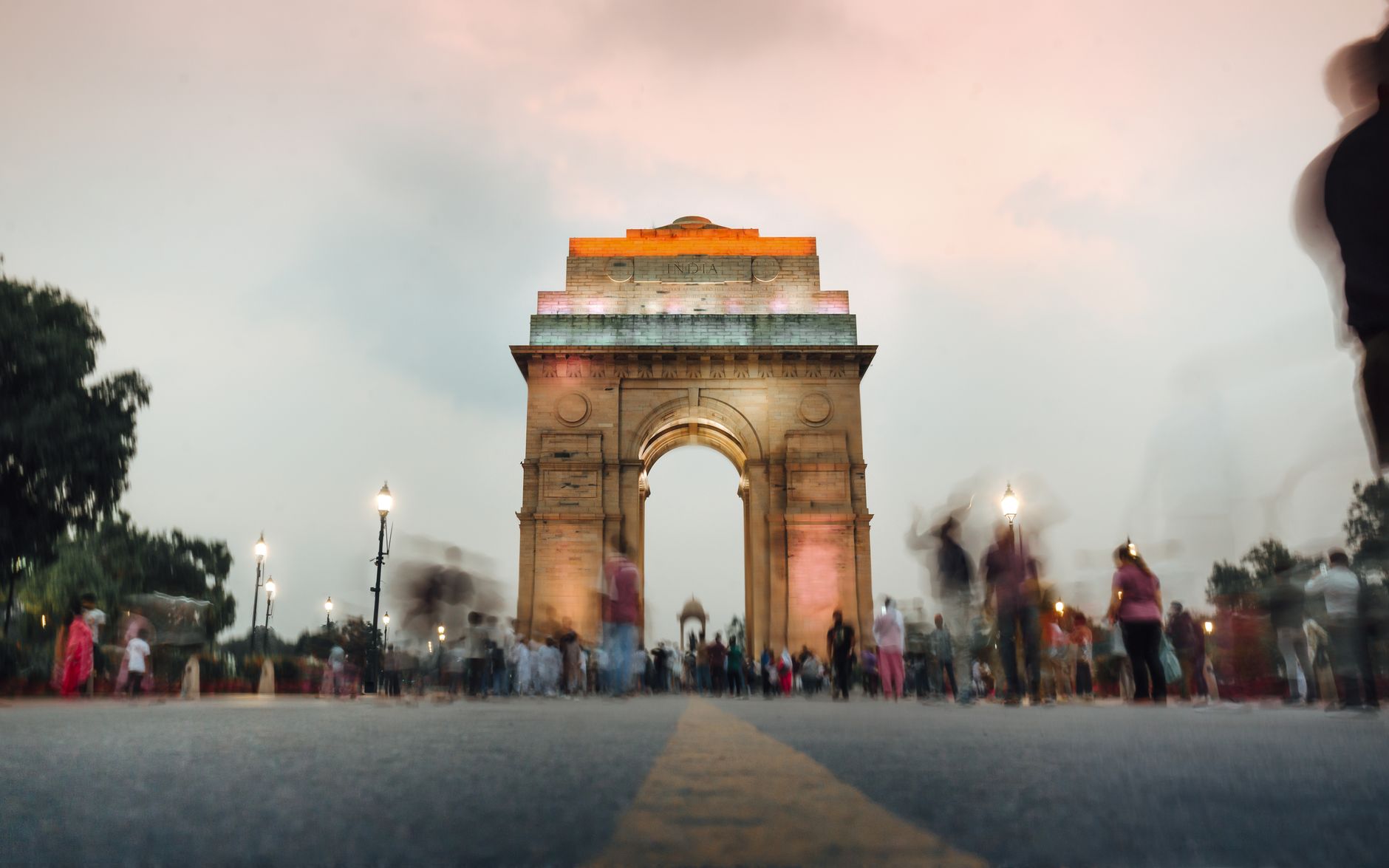
While international tourist arrivals to India remain important, domestic tourism is the true powerhouse behind these projections. Indians are traveling within their own country in unprecedented numbers, exploring everything from beach destinations to mountain retreats, heritage sites to adventure tourism hotspots.
- Weekend getaways from major cities have become routine rather than exceptional
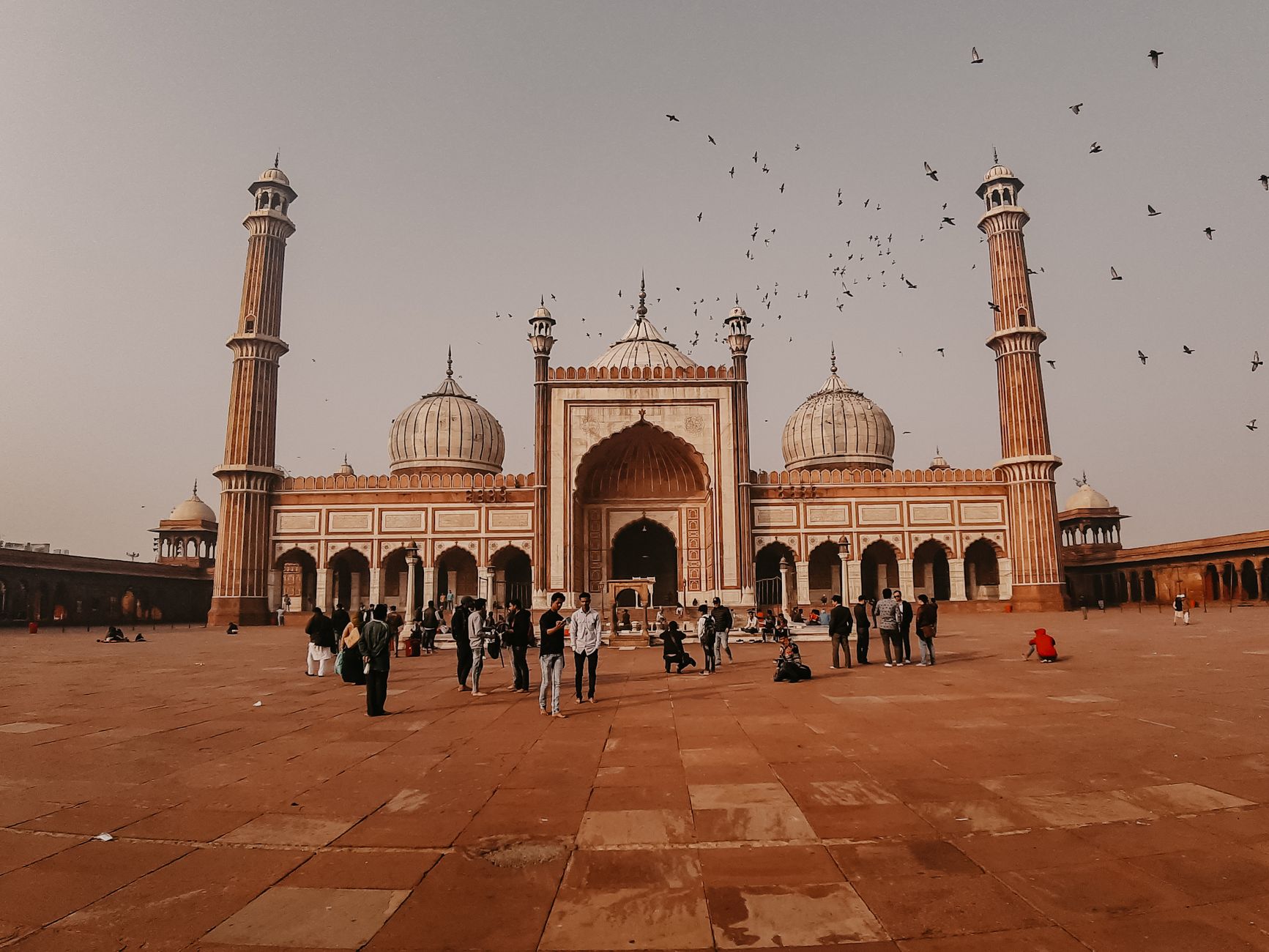
- Religious tourism continues to generate massive travel volumes year-round
- Emerging destinations are gaining popularity as travelers seek novel experiences
- Road trips and experiential travel are trending among younger demographics
- Wellness and medical tourism are creating specialized travel segments
Government Initiatives Supporting Growth
Policy frameworks have evolved to support tourism development. Initiatives like e-visas have simplified international arrival processes, while the Swadesh Darshan and PRASHAD schemes focus on developing tourist circuits and pilgrimage sites. States are competing to attract visitors through innovative marketing campaigns and improved tourist amenities.
The emphasis on sustainable tourism and eco-tourism is also gaining traction, positioning India as a responsible tourism destination. This approach not only preserves natural and cultural heritage but also appeals to environmentally conscious global travelers.
Challenges to Address
Despite the optimistic outlook, challenges remain. Infrastructure development must keep pace with demand, particularly in popular destinations that risk overcrowding. Skilled workforce development in hospitality sectors needs attention to maintain service quality standards. Environmental concerns and heritage site preservation require careful balance between tourism promotion and conservation.
Safety perceptions, cleanliness standards, and last-mile connectivity continue to need improvement to compete with more established tourism destinations. Addressing these challenges will be crucial to realizing the projected growth potential.
Economic Impact and Job Creation
The projected growth carries significant implications for employment and economic development. Travel and tourism is among the most labor-intensive sectors, creating jobs across skill levels from hospitality workers to tour guides, transport operators to artisans selling local crafts.
The multiplier effect of tourism spending benefits multiple sectors including agriculture, manufacturing, and services. Rural areas particularly stand to benefit as tourism spreads beyond traditional hotspots to lesser-known destinations, providing economic opportunities in regions with limited industrial development.
Looking Ahead to 2036
Achieving fourth place in global travel and tourism GDP by 2036 would represent both an economic achievement and a soft power milestone for India. It would cement the country's position as a must-visit destination while generating employment and foreign exchange earnings crucial for economic development.
The journey ahead requires sustained investment, policy stability, and coordination between government and private sectors. If managed well, India's tourism transformation could serve as a model for emerging economies seeking to leverage their cultural and natural assets for economic growth.