The World Travel and Tourism Council's recent findings reveal a striking portrait of India's travel landscape: domestic tourism isn't just a significant contributor to the sector—it's the dominant force, accounting for 86% of all travel spending in the country. This statistic underscores a fundamental shift in how India's tourism economy operates and points to several important trends shaping the industry's future.
The Domestic Tourism Powerhouse
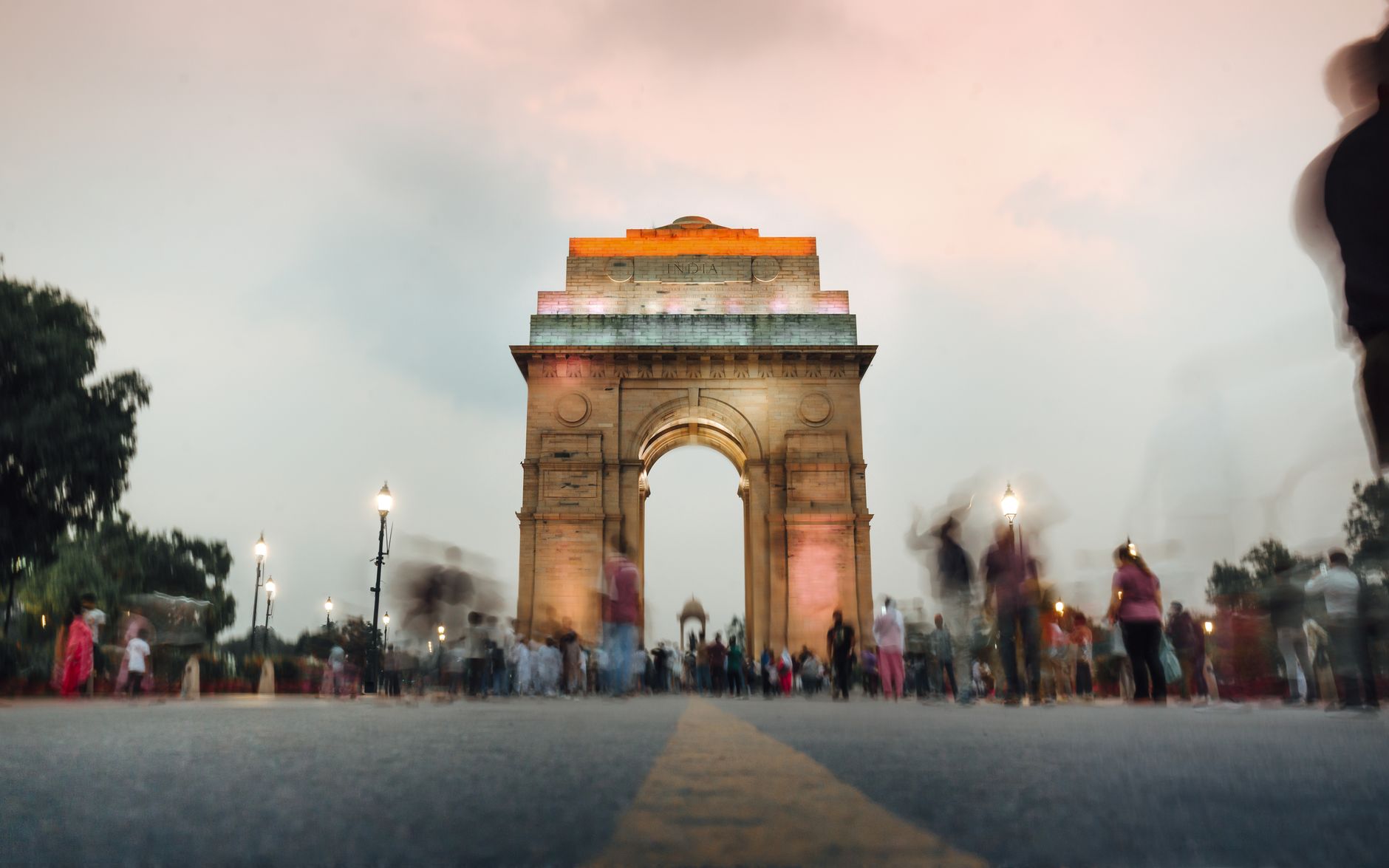
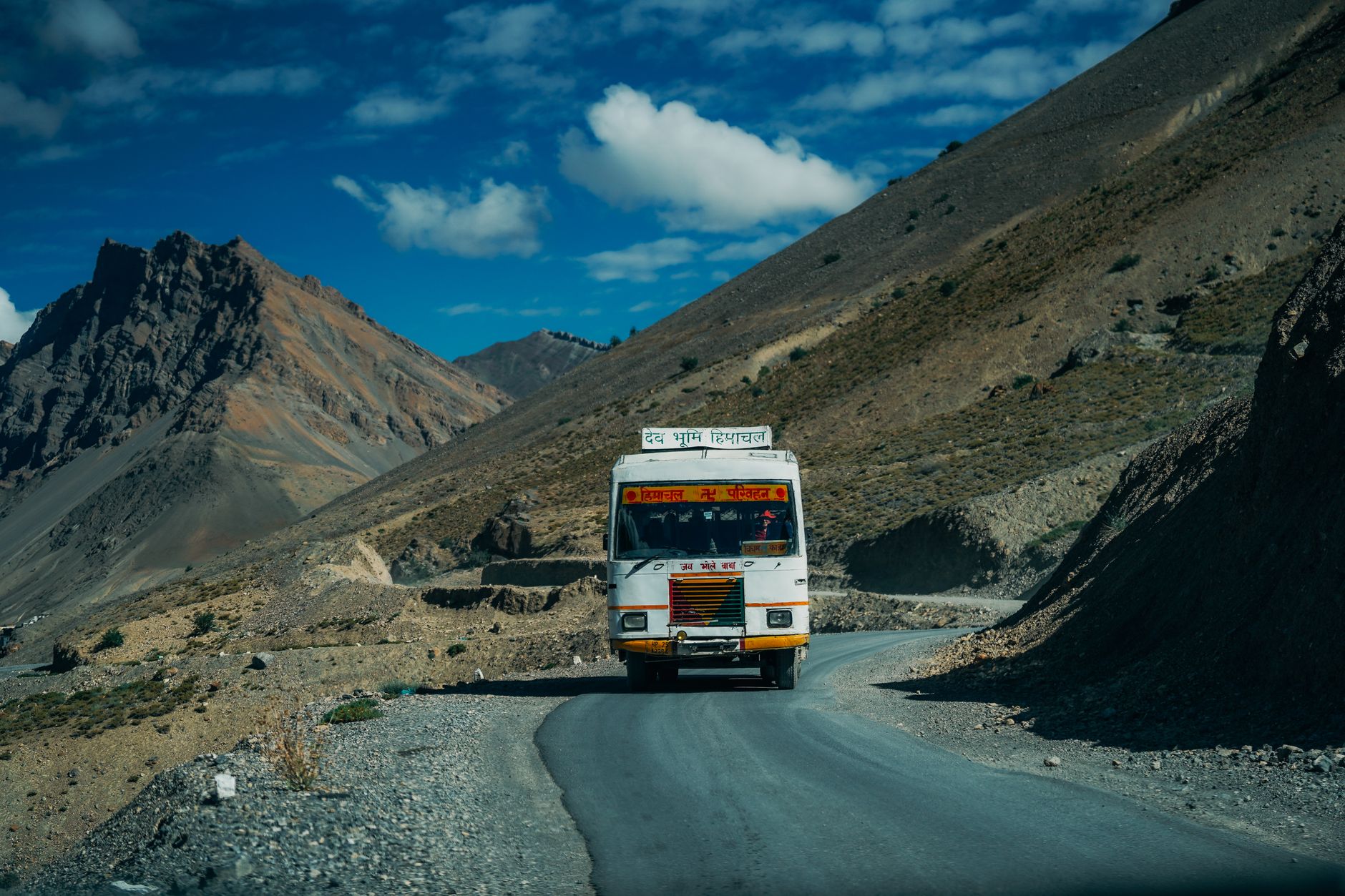
India's population of over 1.4 billion people creates an enormous internal market for travel and tourism. As disposable incomes rise among the middle class and infrastructure improves across the country, more Indians are exploring their own backyard. From the beaches of Goa to the mountains of Himachal Pradesh, from the cultural richness of Rajasthan to the tea gardens of Assam, domestic tourists are discovering the incredible diversity their country offers.
This domestic spending encompasses everything from accommodation and food to transportation, shopping, and entertainment at tourist destinations. The 86% figure indicates that for every rupee spent by international tourists, domestic travellers are spending more than six rupees—a ratio that makes the Indian travel market somewhat unique compared to many developed nations where international tourism often plays a larger proportionate role.
Factors Driving Domestic Travel Growth
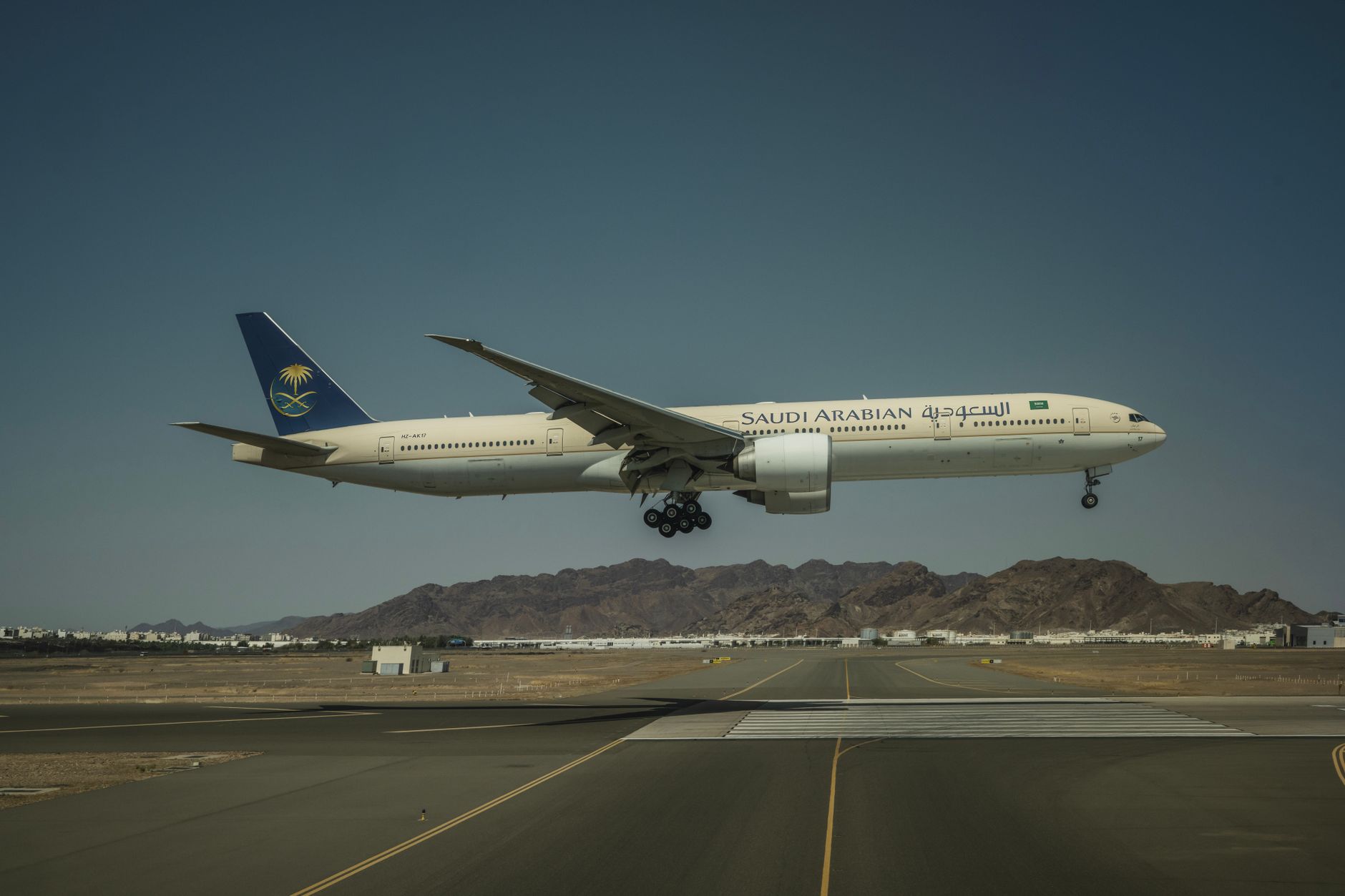
Several converging factors have accelerated domestic tourism in recent years. Improved connectivity through expanded flight routes, better highways, and enhanced rail services has made previously remote destinations more accessible. The proliferation of budget airlines has democratized air travel, allowing middle-class families to fly to destinations that once required lengthy road or train journeys.
Digital transformation has also played a crucial role. Online travel platforms have simplified the booking process, while social media has inspired wanderlust by showcasing India's hidden gems. Young professionals and millennials increasingly prioritize experiences over material possessions, fueling weekend getaways and experiential travel.
The pandemic period paradoxically boosted domestic tourism as international travel restrictions forced Indians to explore local destinations. This trend has persisted even as borders reopened, with many travellers discovering that memorable experiences don't require a passport.
Economic Implications
The dominance of domestic spending creates a more resilient tourism sector. While international tourism can fluctuate dramatically based on global events, geopolitical tensions, or currency fluctuations, domestic travel tends to be more stable and predictable. This provides a reliable revenue base for hotels, restaurants, tour operators, and other businesses dependent on tourist spending.
The geographic spread of domestic tourism also promotes more balanced regional development. While international tourists often concentrate in a handful of well-known destinations, domestic travellers venture into tier-2 and tier-3 cities, hill stations, religious sites, and emerging destinations. This distribution of tourism spending creates employment and business opportunities across a wider geographic area.
Challenges and Opportunities
Despite the positive indicators, challenges remain. Infrastructure in many tourist destinations still needs improvement, from basic amenities to waste management systems that can handle tourist influxes. Service quality can be inconsistent, particularly in emerging destinations lacking trained hospitality professionals.
However, these challenges present opportunities for investment and development. The hospitality sector continues to expand capacity with new hotels, resorts, and alternative accommodation options like homestays and boutique properties. States are investing in tourism infrastructure and marketing campaigns to attract domestic visitors.
The Road Ahead
The 86% domestic spending share suggests India's tourism sector has significant room for growth on multiple fronts. While continuing to nurture domestic travel, there's potential to increase international tourist arrivals and spending, which would add another layer of growth to the sector.
Government initiatives like the "Dekho Apna Desh" (See Your Own Country) campaign encourage domestic tourism while working to improve destination infrastructure and visitor experiences. As India's economy continues growing and the middle class expands, domestic tourism spending is likely to increase in absolute terms even if the percentage share remains dominant.
The travel and tourism sector's heavy reliance on domestic spending reflects both the scale of India's population and the growing aspirations of its citizens. This internal market strength provides a solid foundation for the industry's continued expansion and evolution, benefiting businesses and communities across the country while offering Indians enriching travel experiences within their own borders.