India has emerged as one of the world's fastest-growing tourism destinations over the past decade, fundamentally reshaping how both domestic and international travellers experience the country. This transformation has been driven by three interconnected pillars: massive infrastructure development, strategic promotion of spiritual tourism, and unprecedented improvements in connectivity across the nation.
The Infrastructure Revolution
The last ten years have witnessed an infrastructure overhaul that has changed the face of Indian tourism. The development of world-class airports in tier-2 and tier-3 cities has been particularly significant. Cities like Kannur, Shirdi, and Kushinagar now boast modern airports that connect previously difficult-to-reach destinations directly to major metropolitan centres.
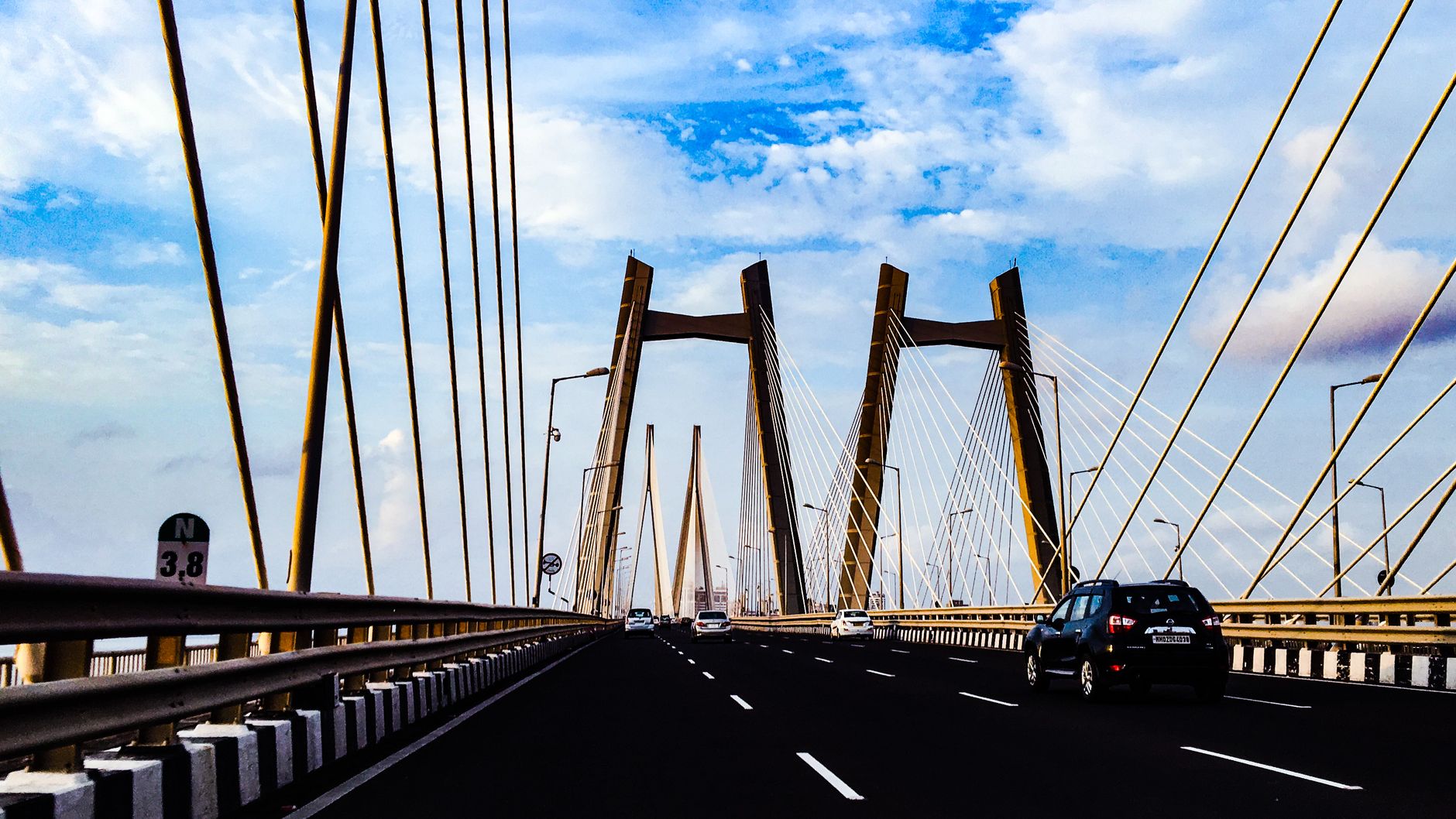
The highway network has expanded dramatically under the Bharatmala Pariyojana project, creating smooth road connections to tourist destinations that were once accessible only through arduous journeys. The greenfield expressways have cut travel time between major cities by half, making weekend getaways and multi-city tours more feasible for the average traveller.
Railway infrastructure has also seen remarkable upgrades. The introduction of Vande Bharat Express trains has brought semi-high-speed rail connectivity to tourist circuits, while heritage railway routes have been restored and modernized to offer luxury travel experiences. Station redevelopment projects have transformed major railway terminals into world-class transit hubs with passenger amenities matching international standards.
Spiritual Tourism Takes Centre Stage
India has strategically leveraged its rich spiritual heritage to attract both domestic and international visitors seeking authentic cultural and religious experiences. The PRASAD scheme, focusing on pilgrimage rejuvenation and spiritual heritage augmentation, has transformed major pilgrimage sites with improved infrastructure, better crowd management systems, and enhanced visitor facilities.
Destinations like Varanasi, Ayodhya, Kashi Vishwanath corridor, and Kedarnath have undergone dramatic makeovers. The Kashi Vishwanath corridor project alone transformed a congested temple area into a spacious, well-organized complex that can accommodate thousands of pilgrims comfortably while preserving the site's spiritual essence.
The development of Buddhist circuits has opened up new tourism opportunities, particularly attracting visitors from Southeast Asian countries. Sites associated with Buddha's life have been interconnected through improved roads and dedicated tourist facilities, making the Buddhist circuit a viable alternative to traditional pilgrimage routes.
Connectivity Breakthrough
Perhaps the most significant transformation has been in connectivity. The UDAN scheme democratized air travel by connecting unserved and underserved airports, bringing air connectivity to over 70 new destinations. Cities like Darbhanga, Tezu, and Kalaburagi now have regular flight services, opening up entirely new tourism markets.
Digital connectivity has paralleled physical connectivity. Improved internet penetration and mobile networks have made it easier for travellers to navigate unfamiliar territories, book accommodations on the go, and share their experiences in real-time. This digital transformation has particularly benefited solo travellers and international tourists who previously found language and navigation barriers challenging.
The introduction of e-visas and streamlined visa processes has made India more accessible to international tourists. The e-visa facility, now available to citizens of over 160 countries across various categories including tourism, business, and medical purposes, has significantly reduced the paperwork and waiting time associated with visiting India.
Impact on Tourism Numbers
These combined efforts have yielded impressive results. Domestic tourism has grown exponentially, with Indians increasingly exploring their own country rather than travelling abroad. The concept of "Dekho Apna Desh" has resonated strongly, particularly among the growing middle class with disposable income and aspirations to travel.
International tourist arrivals have also rebounded strongly post-pandemic, with India positioning itself as a value-for-money destination offering diverse experiences from Himalayan treks to tropical beaches, from wildlife safaris to metropolitan shopping experiences.
Looking Ahead
The transformation of India's tourism sector over the past decade has laid a strong foundation for future growth. With continued focus on sustainable tourism practices, heritage conservation, and technology integration, India is well-positioned to become one of the top five tourism destinations globally in the coming years.
The success story demonstrates how strategic government initiatives, combined with private sector participation, can unlock the potential of a sector that not only generates revenue but also creates employment opportunities across the value chain and promotes cultural exchange.