India welcomed over 9 million international tourists in 2023, marking a significant recovery from pandemic lows and setting new records. Yet despite being home to 40 UNESCO World Heritage Sites, diverse landscapes ranging from Himalayan peaks to tropical beaches, and a 5,000-year-old civilization, India captures less than 2% of global tourist arrivals. For comparison, France alone receives nearly 90 million international visitors annually.
The gap between potential and performance reveals both the challenge and opportunity facing Indian tourism. While domestic travel has exploded with a growing middle class, international visitor numbers remain modest relative to the country's attractions and population of 1.4 billion people.
Current Strengths Driving Growth
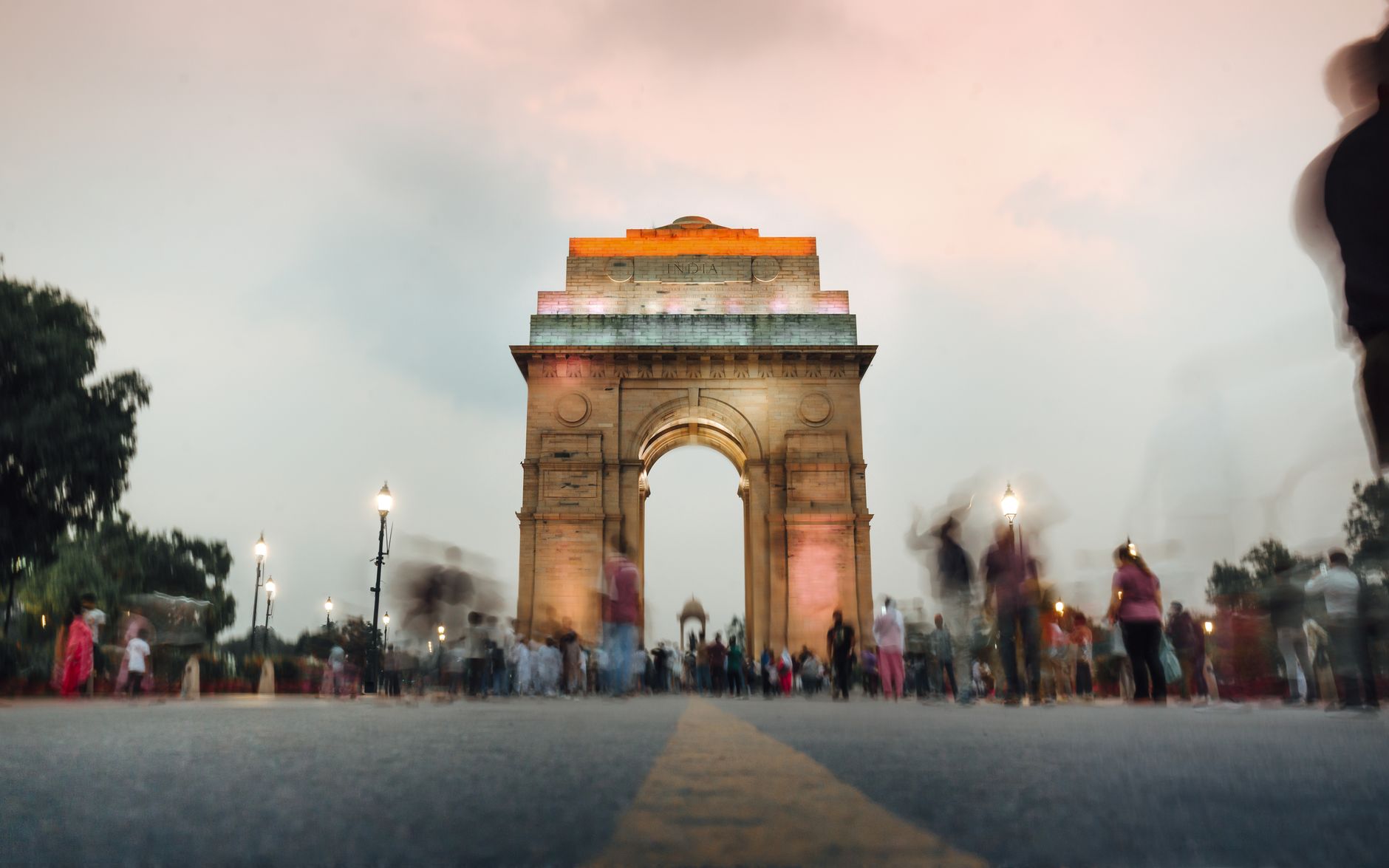
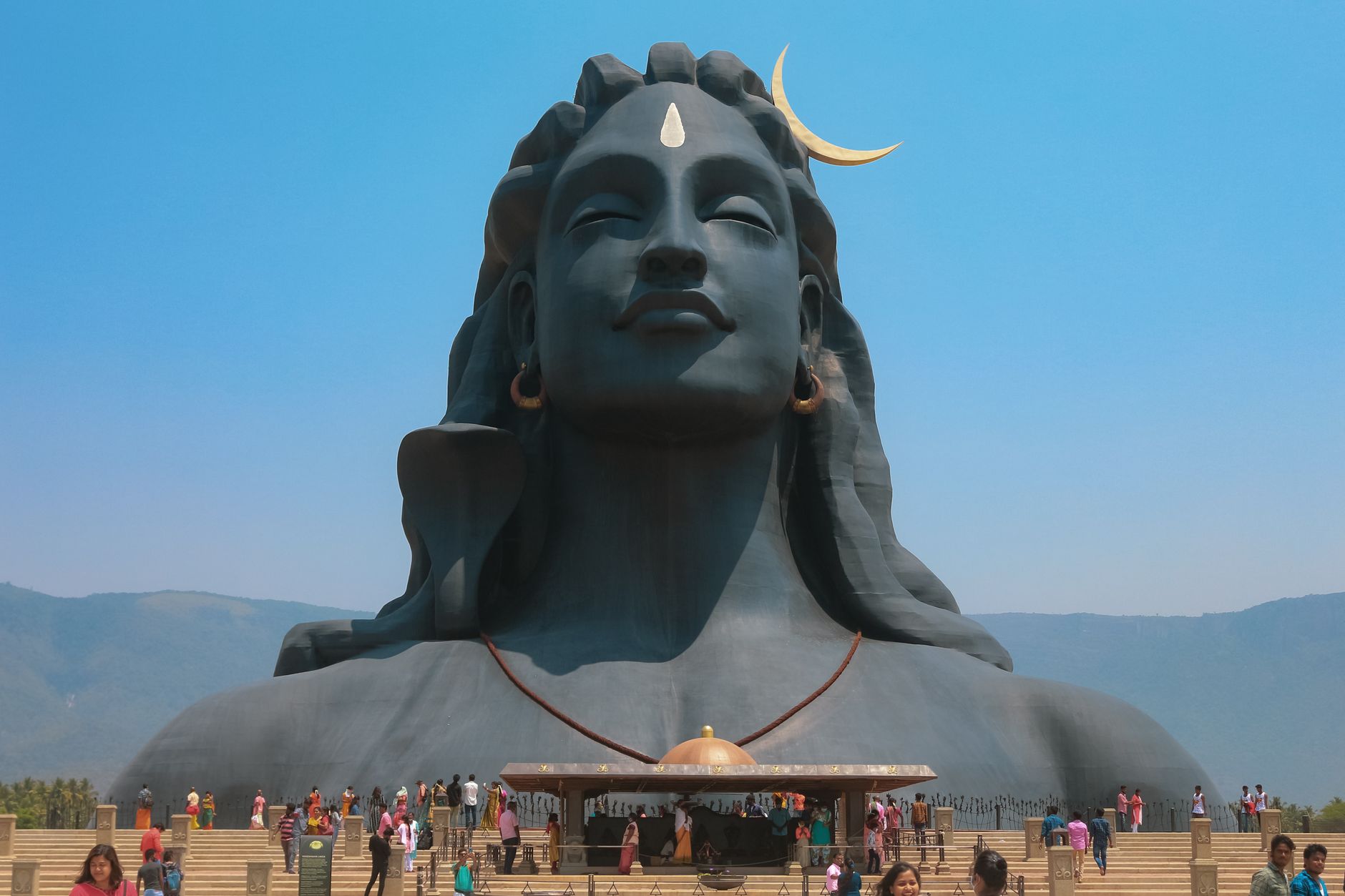
India's tourism success story rests on several unique advantages. The country offers exceptional value for money, with luxury experiences available at a fraction of Western prices. Cultural tourism thrives around iconic destinations like the Taj Mahal, ancient temple complexes, and spiritual centers such as Varanasi and Rishikesh.
Adventure tourism has gained momentum, with trekking in Ladakh, wildlife safaris in national parks, and water sports in Goa attracting younger international visitors. Medical tourism represents another growth engine, with patients seeking quality healthcare at competitive costs. Additionally, yoga and wellness tourism has positioned India as a global center for holistic health experiences.
The government's "Incredible India" campaign and digital marketing efforts have successfully repositioned the country's image in key source markets. Investment in heritage site conservation and the development of tourism circuits connecting multiple attractions has enhanced visitor experiences in many regions.
Barriers Holding Back International Arrivals
Despite these strengths, several obstacles prevent India from reaching its full tourism potential. The visa application process, while improved through e-visa facilities, remains more cumbersome than the visa-on-arrival or visa-free access offered by competing destinations in Southeast Asia.
Infrastructure challenges persist in many tourist areas. Airport capacity constraints, inadequate public transportation in cities, and variable accommodation standards outside major centers can frustrate international visitors. Cleanliness and sanitation, particularly at popular sites, continue to receive criticism despite ongoing Swachh Bharat initiatives.
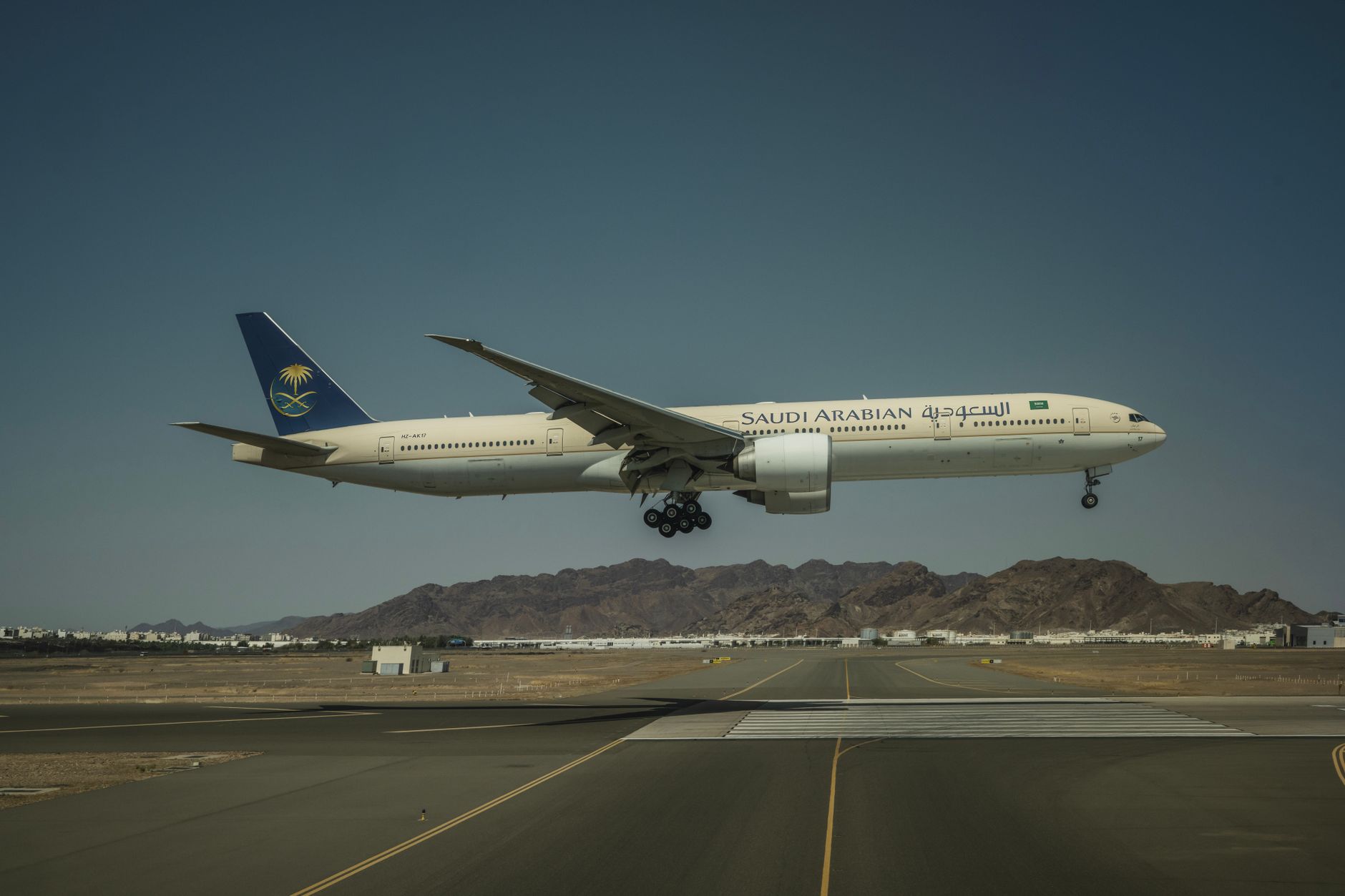
Limited international flight connectivity to tier-two cities forces visitors to concentrate in a handful of gateway destinations. A tourist wanting to explore Rajasthan's heritage cities or Kerala's backwaters typically faces complex domestic flight connections or long road journeys.
Safety perceptions, particularly regarding solo female travelers, remain a concern in some Western source markets despite ground realities improving in major tourist zones. Language barriers outside metro areas and inconsistent service quality also impact visitor satisfaction scores.
Unlocking the Tourism Powerhouse
Transforming India into a top-tier global destination requires coordinated action across multiple fronts. Visa liberalization represents the most immediate opportunity. Expanding visa-on-arrival to citizens of major economies, extending e-visa validity periods, and simplifying group tour visas could dramatically increase arrivals.
Infrastructure development must accelerate beyond metro cities. This includes expanding airport capacity in tourist-rich regions, improving road and rail connectivity to heritage sites, and developing integrated multimodal transport systems. Public-private partnerships can fast-track hotel development that meets international standards across price categories.
Skill development in hospitality and tourism services deserves priority. Training programs ensuring consistent service quality and multilingual capability would enhance visitor experiences. Technology adoption for seamless booking, digital payments, and real-time information can address convenience gaps.
Marketing strategies should diversify beyond traditional attractions. Promoting lesser-known destinations could distribute tourist flows more evenly, reduce pressure on iconic sites, and extend economic benefits to rural areas. Niche tourism segments like culinary tours, photography expeditions, and cultural immersion programs appeal to high-value travelers.
Economic Impact and Global Positioning
The stakes extend beyond visitor numbers. Tourism generates employment across skill levels, from luxury hotels to local handicraft vendors. Foreign exchange earnings support India's current account balance, while regional development through tourism reduces economic disparities.
As global tourism rebounds to pre-pandemic levels and middle-class populations in Asia expand, India is well-positioned to capture growing travel demand. With China's tourism market evolution and Southeast Asia approaching capacity constraints in popular destinations, India offers the scale and diversity to absorb significant visitor increases.
The combination of ancient heritage, natural beauty, spiritual depth, and modern infrastructure creates a unique value proposition. Success requires sustained commitment to visitor facilitation, quality standards, and strategic positioning.
India's tourism journey has indeed begun strongly, but the destination has barely scratched the surface of possibilities. The next decade could witness transformation from a niche destination for adventurous travelers into a mainstream choice competing with established global tourism leaders.