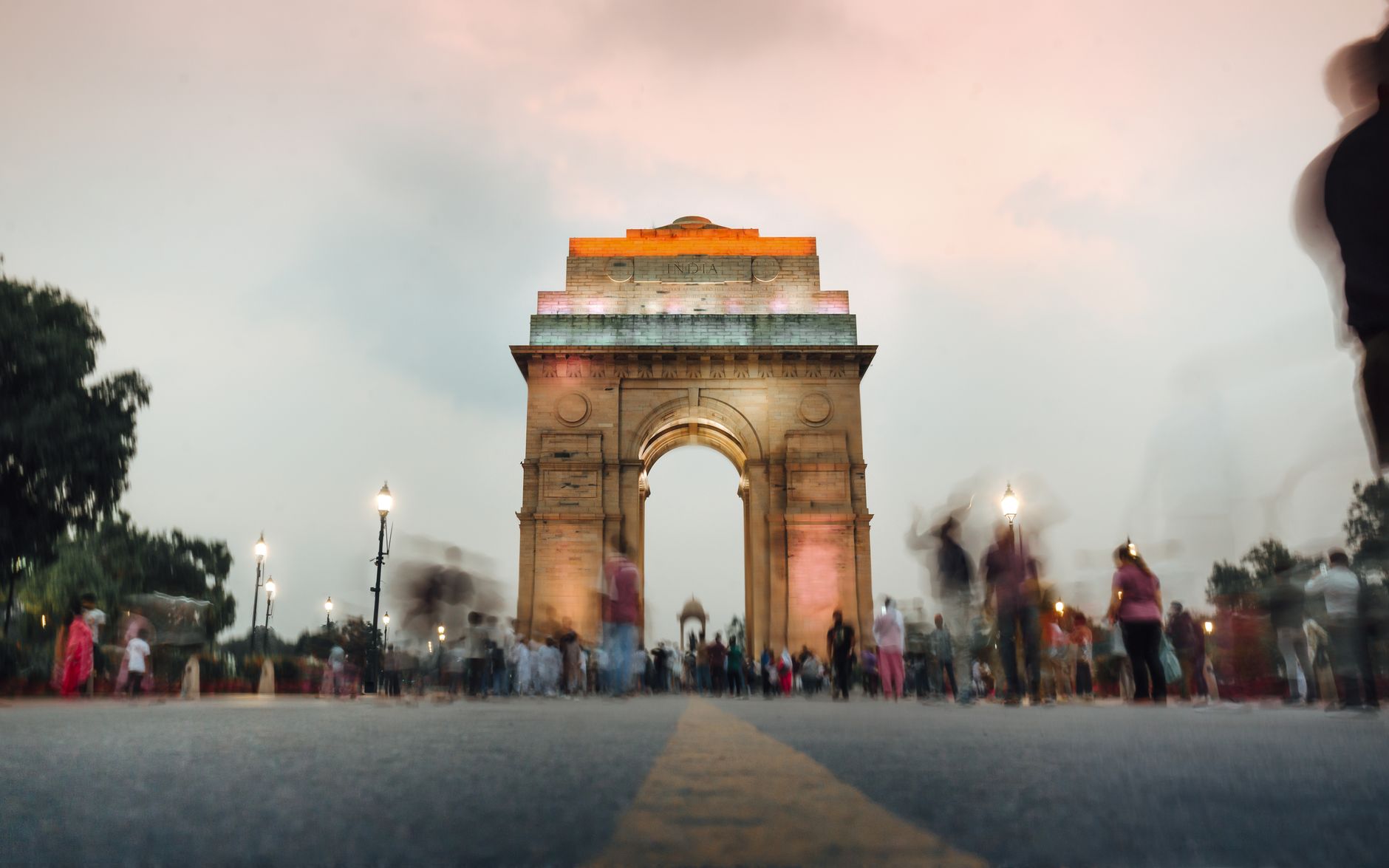
India's travel and tourism industry has emerged as one of the fastest-growing sectors in the country's economy, contributing significantly to GDP and employment generation. Recent data and trends paint a picture of an industry that is not only recovering from pandemic-related disruptions but also charting new trajectories of expansion.
The Economic Impact of Tourism in India
The travel and tourism sector contributes approximately 7-8 percent to India's GDP, making it a vital component of the national economy. This industry supports millions of jobs across various segments including hospitality, transportation, tour operations, and ancillary services. The multiplier effect of tourism spending extends to retail, food and beverage, entertainment, and cultural preservation activities.
The sector employs over 40 million people directly and indirectly, making it one of the largest employment generators in the country. From luxury hotels in metropolitan cities to homestays in rural areas, the industry's reach spans the entire socioeconomic spectrum.
Domestic Tourism Drives Growth
Domestic tourism accounts for the lion's share of travel activity in India, with over 2 billion domestic tourist visits recorded in recent years. The rise of the Indian middle class, improved connectivity, and changing lifestyle preferences have fueled this growth. Weekend getaways, religious tourism, and experiential travel have become increasingly popular among Indian travelers.
The pandemic accelerated certain trends, including a preference for road trips, nature-based destinations, and smaller group travel. Hill stations, beach destinations, and wildlife reserves have seen sustained interest from domestic tourists seeking respite from urban environments.
International Tourism Recovery
India's international tourism sector is on a recovery path, with foreign tourist arrivals gradually returning to pre-pandemic levels. The country welcomed approximately 6-8 million international visitors annually before COVID-19, and numbers are steadily climbing back.
Key source markets for international tourists include:
- United States
- United Kingdom
- Bangladesh
- Canada
- Australia
- Germany
- France
- China
- Japan
- Malaysia
The government's e-visa initiative has simplified entry procedures for tourists from over 160 countries, contributing to increased arrivals. Medical tourism and yoga and wellness tourism are niche segments where India has established a strong global reputation.
Infrastructure Development and Connectivity
Significant investments in infrastructure are reshaping the tourism landscape. The expansion of airport capacity, development of new airports in tier-2 and tier-3 cities, and improvement of road networks have made previously inaccessible destinations more reachable.
The government's UDAN (Ude Desh ka Aam Naagrik) scheme has enhanced regional air connectivity, opening up destinations like Leh, Guwahati, and numerous northeastern cities to tourist traffic. Similarly, initiatives to develop railway stations and introduce premium train services have upgraded the travel experience.
Digital Transformation and Booking Trends
The Indian travel industry has witnessed rapid digitization, with online travel agencies and booking platforms capturing a growing share of the market. Mobile-first booking behavior, particularly among younger travelers, has prompted industry players to invest heavily in app-based services and digital customer engagement.
Travel influencers and social media have become powerful drivers of destination discovery, with platforms like Instagram and YouTube shaping travel preferences and itinerary planning.
Emerging Segments and Opportunities
Several niche segments are showing strong growth potential:
- Adventure tourism in Himalayan regions and coastal areas
- Sustainable and eco-tourism initiatives
- Heritage and cultural tourism leveraging India's UNESCO World Heritage sites
- MICE (Meetings, Incentives, Conferences, and Exhibitions) tourism
- Cruise tourism with expanded port facilities
- Spiritual and wellness tourism
Challenges Facing the Sector
Despite impressive growth, the industry faces challenges including seasonality of demand, quality and standardization of services, environmental sustainability concerns, and the need for skilled workforce development. Infrastructure gaps in certain destinations and the need for better last-mile connectivity remain areas requiring attention.
Government Initiatives
The Swadesh Darshan and PRASHAD schemes aim to develop theme-based tourist circuits and pilgrimage sites. The Incredible India campaign continues to promote the country's tourism assets globally. State governments have also launched their own initiatives to develop tourism infrastructure and promote regional destinations.
The travel and tourism industry's contribution to India's economic growth appears set to expand further, supported by rising incomes, improved infrastructure, and innovative service delivery models that cater to evolving traveler preferences.