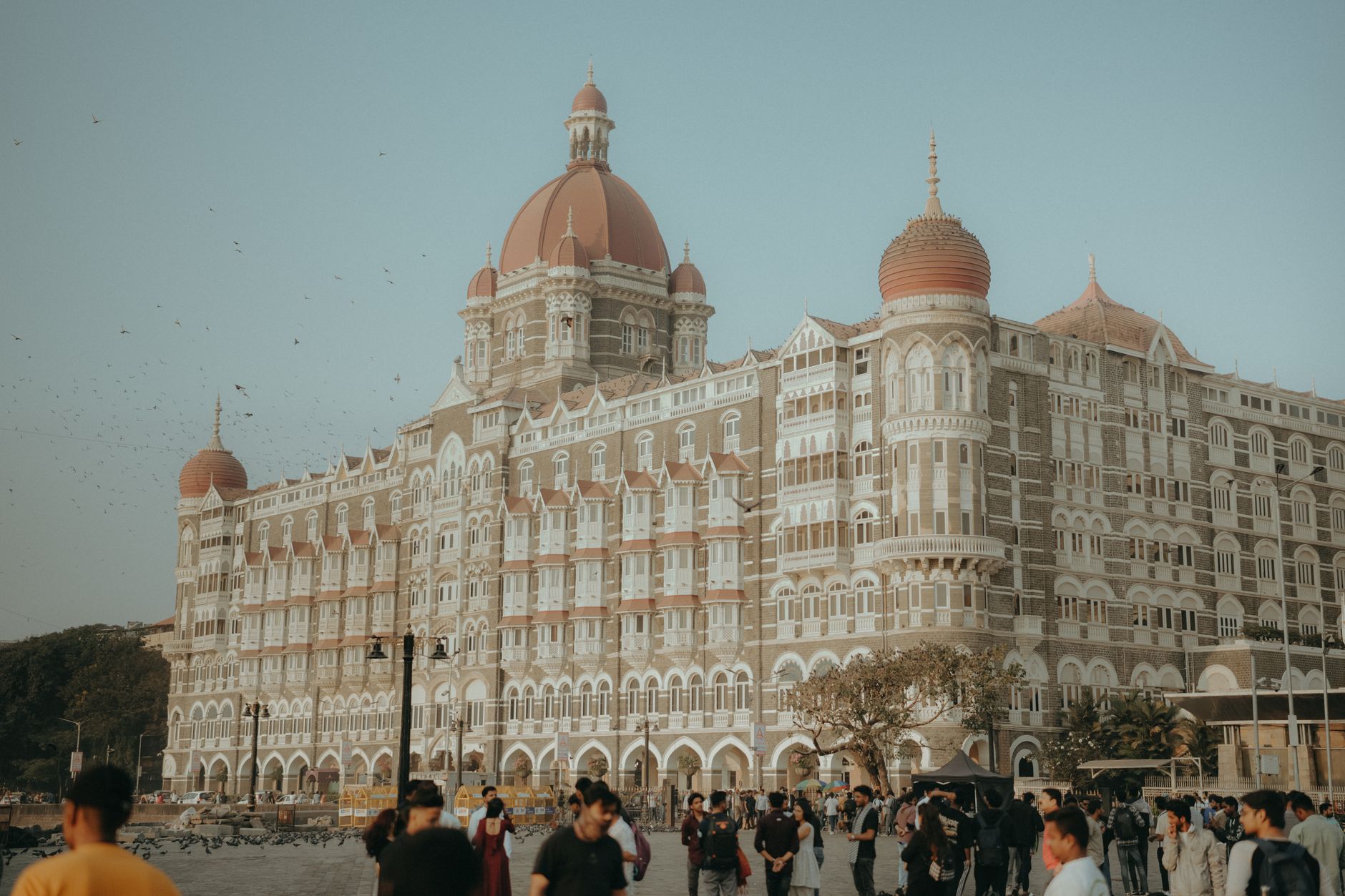
Maharashtra, India's second-most populous state and home to Mumbai, is making an ambitious play for a larger share of the global tourism market by showcasing its diverse offerings at the WOW Awards Asia. The state's tourism authorities are particularly focused on MICE (Meetings, Incentives, Conferences, and Exhibitions) travel and destination weddings, two rapidly growing segments that promise higher revenue per visitor compared to traditional leisure tourism.
Why Maharashtra Is Betting Big on MICE Tourism
MICE tourism represents one of the most lucrative segments of the travel industry, with business travelers typically spending three to four times more than leisure tourists. Maharashtra already hosts India's financial capital, Mumbai, making it a natural hub for corporate events and conferences. The state boasts world-class convention centers, five-star hotels, and robust connectivity through international airports in Mumbai and Pune.
Beyond Mumbai's obvious business appeal, cities like Pune have emerged as significant IT and manufacturing hubs, creating organic demand for business events. The state government has been investing in upgrading infrastructure specifically to accommodate large-scale international conferences, recognizing that successful MICE events can bring thousands of high-spending visitors while also generating positive publicity and future tourism interest.
The Destination Wedding Opportunity
India's destination wedding market has exploded in recent years, with the industry estimated to be worth several billion dollars annually. Maharashtra offers a compelling mix of venues, from heritage palaces and forts to modern luxury resorts along the Konkan coast. Cities like Aurangabad, gateway to the Ajanta and Ellora caves, provide unique historical backdrops that appeal to couples seeking distinctive wedding experiences.
The state's diverse geography means it can cater to different wedding preferences within relatively short distances. Beach weddings along the Arabian Sea coastline, hill station celebrations in places like Mahabaleshwar and Lonavala, and grand heritage property weddings in cities with historical significance all fall within Maharashtra's borders.
For international couples, particularly from the Indian diaspora, Maharashtra offers the added advantage of excellent connectivity. Direct flights from major global cities land in Mumbai, and the state's internal transport infrastructure has improved significantly in recent years.
UNESCO Heritage Sites as Tourism Anchors
Maharashtra's UNESCO World Heritage Sites are central to its tourism pitch. The rock-cut caves of Ajanta and Ellora stand among the most impressive examples of ancient Indian art and architecture. These Buddhist, Hindu, and Jain monuments dating back centuries attract cultural tourists from around the world and provide compelling reasons for extended stays in the region.
The Chhatrapati Shivaji Maharaj Terminus in Mumbai, the Victorian Gothic and Art Deco Ensembles of the city, and other heritage sites add cultural depth to what might otherwise be purely business or leisure trips. This cultural layer is particularly important for MICE organizers who want to offer delegates meaningful experiences beyond conference rooms.
Infrastructure Development and Tourism Growth Targets
Maharashtra's push at international tourism platforms reflects India's broader ambition to significantly increase tourism's contribution to GDP. The state has been upgrading roads, developing new tourism circuits, and creating specialized tourism zones. Coastal tourism development projects, eco-tourism initiatives in regions like the Western Ghats, and wildlife tourism at reserves like Tadoba are all part of a comprehensive strategy.
The focus on 2026 as a target year suggests coordinated planning around specific infrastructure completion dates and marketing campaigns. This timeline allows tourism authorities to align hotel construction, transport upgrades, and skills training programs with promotional efforts.
Challenges and Competition
Maharashtra faces stiff competition from other Indian states and international destinations vying for the same MICE and wedding tourism segments. Rajasthan has long dominated the heritage wedding market, while states like Kerala and Goa have strong coastal tourism brands. Internationally, destinations across Southeast Asia offer competitive pricing and established MICE infrastructure.
Success will depend on Maharashtra's ability to deliver on infrastructure promises, maintain competitive pricing, streamline visa and regulatory processes for international visitors, and consistently deliver high-quality experiences. The state will also need to address concerns about urban congestion in Mumbai and ensure that growth extends beyond the capital to benefit smaller cities and rural tourism areas.
The prominence given to Maharashtra's tourism offerings at a major Asian awards platform signals serious intent to capture a larger share of the region's growing tourism flows, with potential implications for employment, revenue generation, and India's global tourism positioning in the coming years.