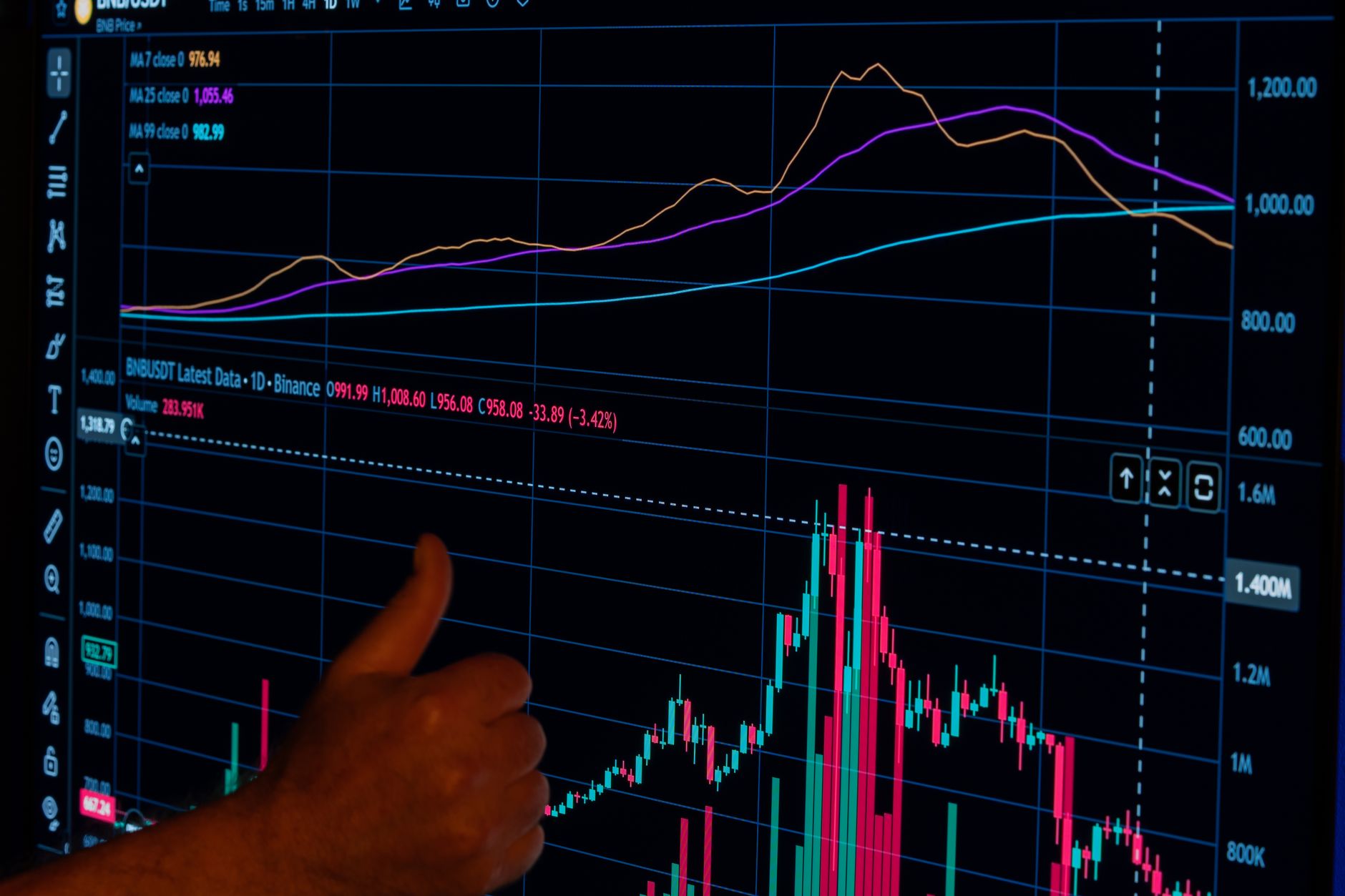
Indian stock markets posted a strong rally today, with the benchmark Sensex climbing approximately 900 points and the Nifty50 index comfortably settling above the 24,200 mark. This robust performance comes at a time when global markets are experiencing considerable uncertainty, making India's resilience particularly noteworthy for investors and market watchers.
Understanding Today's Market Surge
The Indian equity markets have demonstrated remarkable strength, bucking the trend of cautious sentiment prevailing in international bourses. While global investors grapple with concerns ranging from inflation to geopolitical tensions, domestic factors have provided Indian markets with enough momentum to chart their own course.
Factor 1: Strong Domestic Institutional Buying
One of the primary drivers behind today's rally appears to be sustained buying activity from domestic institutional investors (DIIs). Unlike their foreign counterparts who often react more sensitively to global cues, Indian mutual funds, insurance companies, and other domestic institutions have been consistently investing in equities. This domestic liquidity cushion has become increasingly important in offsetting any potential foreign portfolio investor (FPI) outflows and provides a stable foundation for market growth.
Factor 2: Positive Corporate Earnings Outlook
India Inc. has been delivering better-than-expected quarterly results across several sectors, boosting investor confidence. Companies in sectors such as banking, information technology, and consumer goods have reported resilient earnings despite global headwinds. This corporate performance indicates the underlying strength of the Indian economy and justifies higher valuations in certain pockets of the market. When companies demonstrate their ability to grow profits even in challenging times, it naturally attracts investment capital.
Factor 3: Easing Crude Oil Prices
The recent moderation in crude oil prices has provided significant relief to the Indian economy, which imports a substantial portion of its energy requirements. Lower oil prices help contain inflation, reduce the current account deficit, and ease pressure on the rupee. For India, where fuel and energy costs have a cascading effect on everything from transportation to manufacturing, this development is particularly beneficial. The positive impact extends to consumers' purchasing power and corporate profit margins across multiple sectors.
Factor 4: Optimistic Economic Data and Policy Support
Recent economic indicators from India have painted an encouraging picture of economic resilience. Whether it's manufacturing activity, services sector growth, or consumption patterns, the data suggests that the Indian economy continues to demonstrate strength. Additionally, policy measures from the government and the Reserve Bank of India aimed at supporting growth while managing inflation have created a conducive environment for equity markets. Investors appreciate the balanced approach to economic management that prioritizes both stability and expansion.
What This Means for Investors
The divergence between Indian markets and global trends highlights the importance of local factors in determining market direction. While global cues certainly influence sentiment, domestic fundamentals increasingly play a decisive role in India's market performance.
For long-term investors, this rally underscores the importance of maintaining portfolio allocation to equities, particularly when backed by strong domestic fundamentals. However, it's equally important to recognize that markets are inherently volatile, and single-day movements should not drive major investment decisions.
Looking Ahead
While today's strong performance is encouraging, investors should remain mindful of several factors that could influence markets going forward. These include global central bank policies, geopolitical developments, monsoon progress and its impact on agriculture, and the sustainability of corporate earnings growth.
The ability of Indian markets to rally despite global jitters demonstrates growing maturity and the strengthening role of domestic factors. However, in an interconnected global economy, India cannot remain completely insulated from international developments.
Diversification across sectors and asset classes remains crucial for managing risk while participating in market opportunities. The current rally, driven by tangible domestic factors rather than mere sentiment, provides a more sustainable foundation than rallies driven purely by speculation.
This article is for informational purposes only and should not be considered as investment advice. Stock markets are subject to risks and volatility. Investors should conduct their own research or consult with a qualified financial advisor before making any investment decisions.