Taiwan Tourism is taking a strategic approach to capturing the growing Indian outbound travel market by adopting a co-investment familiarization trip model. This initiative represents a shift from traditional tourism marketing strategies, where destination management organizations typically bear the full cost of promotional activities.
Understanding the FAM Trip Model
Familiarization trips, commonly known as FAM trips in the travel industry, are educational tours designed to give travel agents, tour operators, and travel influencers firsthand experience of a destination. These trips allow industry professionals to explore attractions, hotels, restaurants, and activities so they can better sell the destination to potential travelers.
The co-investment approach means that both Taiwan Tourism and participating Indian travel companies share the financial burden of these familiarization trips. Instead of Taiwan Tourism bearing all expenses, Indian travel agents and tour operators contribute a portion of the costs, creating a partnership model that demonstrates mutual commitment to developing the Taiwan-India travel corridor.
Why Target the Indian Market
India has emerged as one of the fastest-growing outbound tourism markets in Asia. Several factors make Indian travelers particularly attractive to international destinations:
- Rising disposable incomes among India's expanding middle class
- Increasing passport penetration and travel aspirations
- Growing interest in exploring Asian destinations beyond traditional favorites
- Strong demand for both leisure and business travel opportunities
- Young demographic profile with appetite for diverse experiences
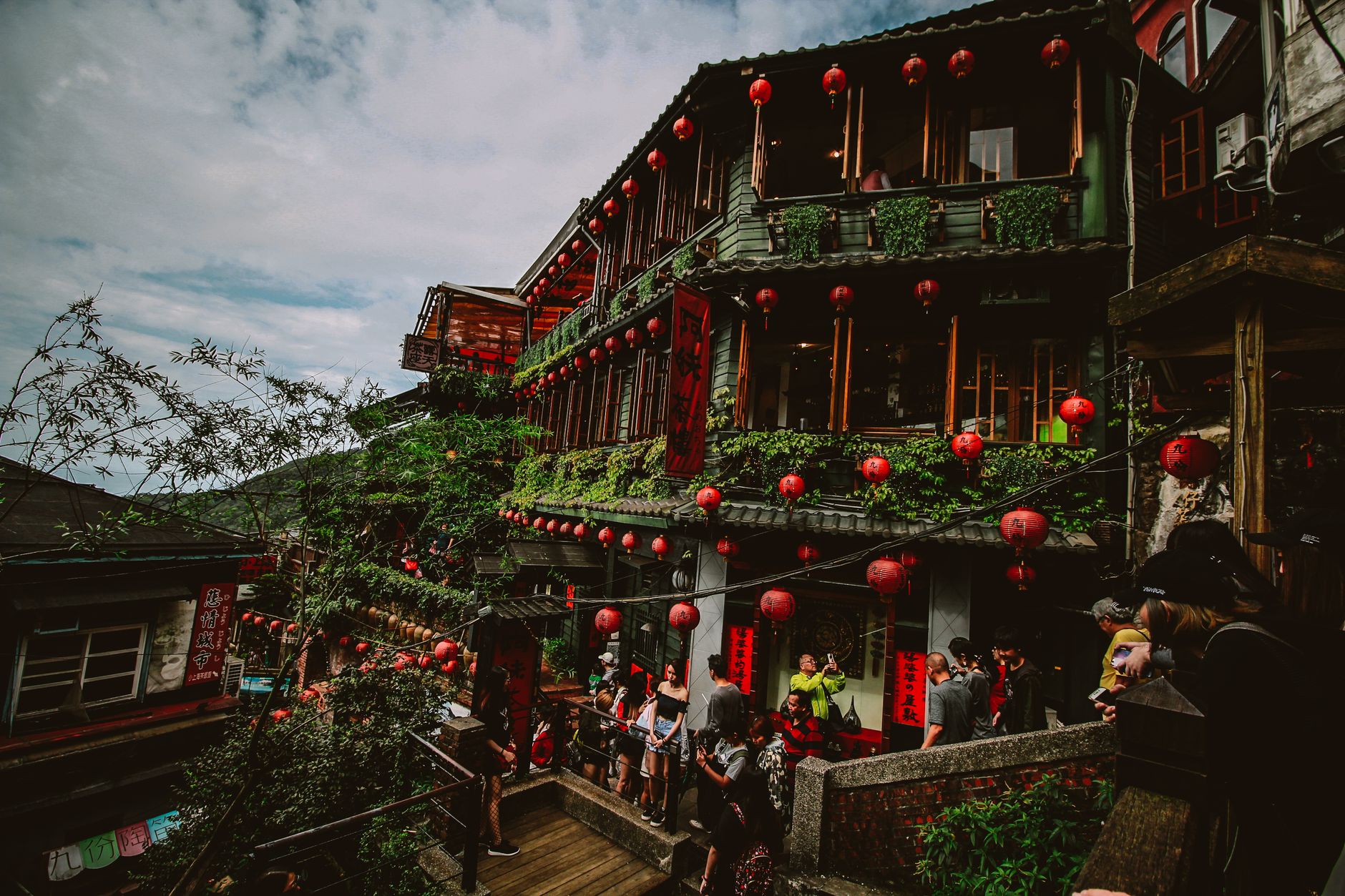
Taiwan offers Indian travelers a unique proposition with its blend of Chinese culture, Japanese colonial heritage, modern technology hubs, stunning natural landscapes, and renowned night markets and street food culture.
Benefits of the Co-Investment Model
The co-investment approach creates several advantages for all stakeholders involved. For Taiwan Tourism, it ensures that participating travel agents have genuine skin in the game and are more likely to actively promote Taiwan as a destination upon returning. Travel professionals who invest their own money typically show greater commitment to selling the destination.
For Indian travel companies, the co-investment model makes premium FAM trips more accessible while still requiring a meaningful financial commitment. This approach filters out casual participants and ensures only serious industry players who genuinely intend to develop Taiwan packages participate in these educational tours.
The model also fosters stronger partnerships built on shared investment and mutual benefit rather than one-sided promotional activities. This collaborative approach tends to yield better long-term results in terms of package development, marketing efforts, and sustained destination promotion.
Impact on Travel Package Development
When travel agents experience a destination firsthand through FAM trips, they gain valuable insights that translate into better travel packages for consumers. Agents can recommend specific hotels, attractions, restaurants, and itineraries based on personal experience rather than brochure descriptions.
For Taiwan specifically, FAM trips allow Indian agents to understand the destination's unique selling points, including its excellent public transportation system, safe environment, friendly locals, vibrant food scene, and diverse attractions ranging from bustling Taipei to scenic Taroko Gorge and the beaches of Kenting.
Current India-Taiwan Travel Landscape
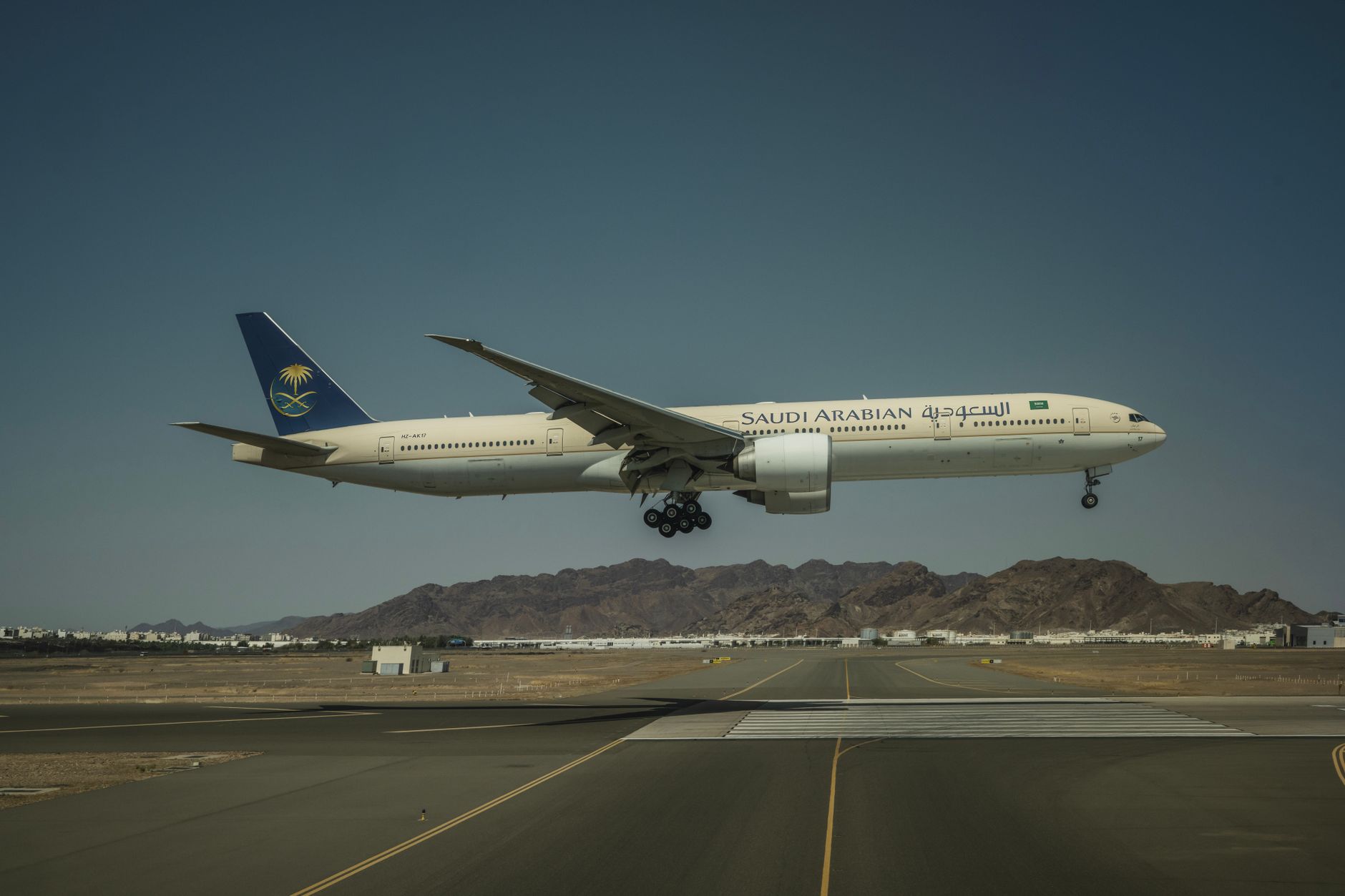
While Taiwan has traditionally attracted visitors from mainland China, Japan, and Southeast Asia, the Indian market remains relatively untapped with significant growth potential. Direct flight connectivity between major Indian cities and Taiwan has improved in recent years, making the destination more accessible.
Taiwan offers visa-free entry for Indian nationals for stays up to 14 days under certain conditions, which simplifies travel logistics. The destination also appeals to various Indian traveler segments, including families, honeymooners, adventure enthusiasts, and food lovers.
Implementation and Expected Outcomes
The co-investment FAM model will likely involve Taiwan Tourism identifying qualified Indian travel agencies and tour operators with proven track records and distribution networks. Selected participants would then contribute a predetermined amount toward trip costs, with Taiwan Tourism covering the remaining expenses.
These FAM trips typically include hotel inspections, site visits to major attractions, meetings with local tourism suppliers, cultural experiences, and networking opportunities. Participants return equipped to create competitive Taiwan packages and educate their sales teams.
Taiwan Tourism expects this approach to generate more qualified leads, increase the number of Indian tourists visiting Taiwan, and establish long-term partnerships with key Indian travel trade players. The shared investment model also demonstrates Taiwan's seriousness about developing the Indian market while ensuring committed participation from industry partners.
This innovative approach could serve as a blueprint for other destinations seeking to develop emerging markets through collaborative investment models rather than traditional one-way promotional spending.