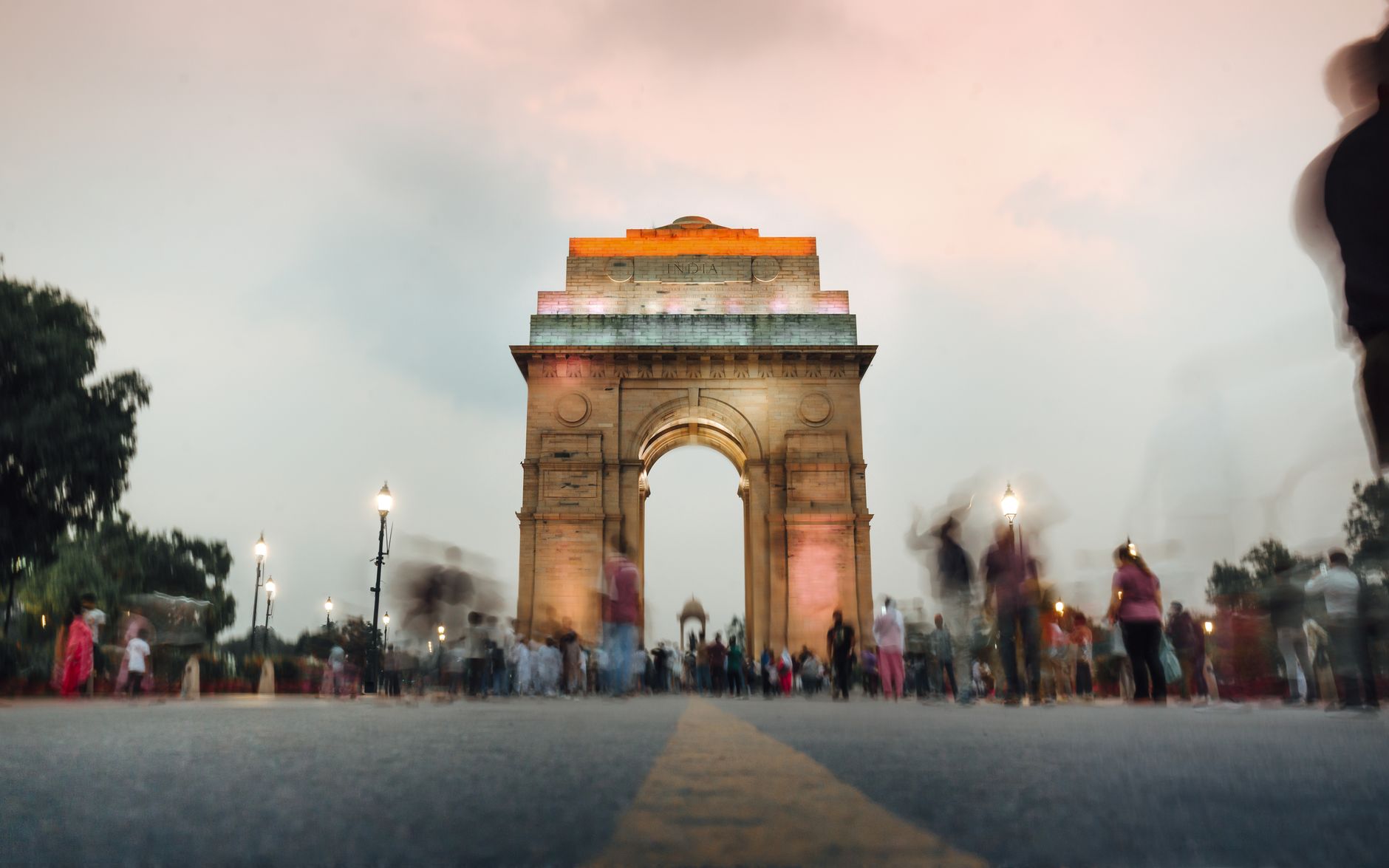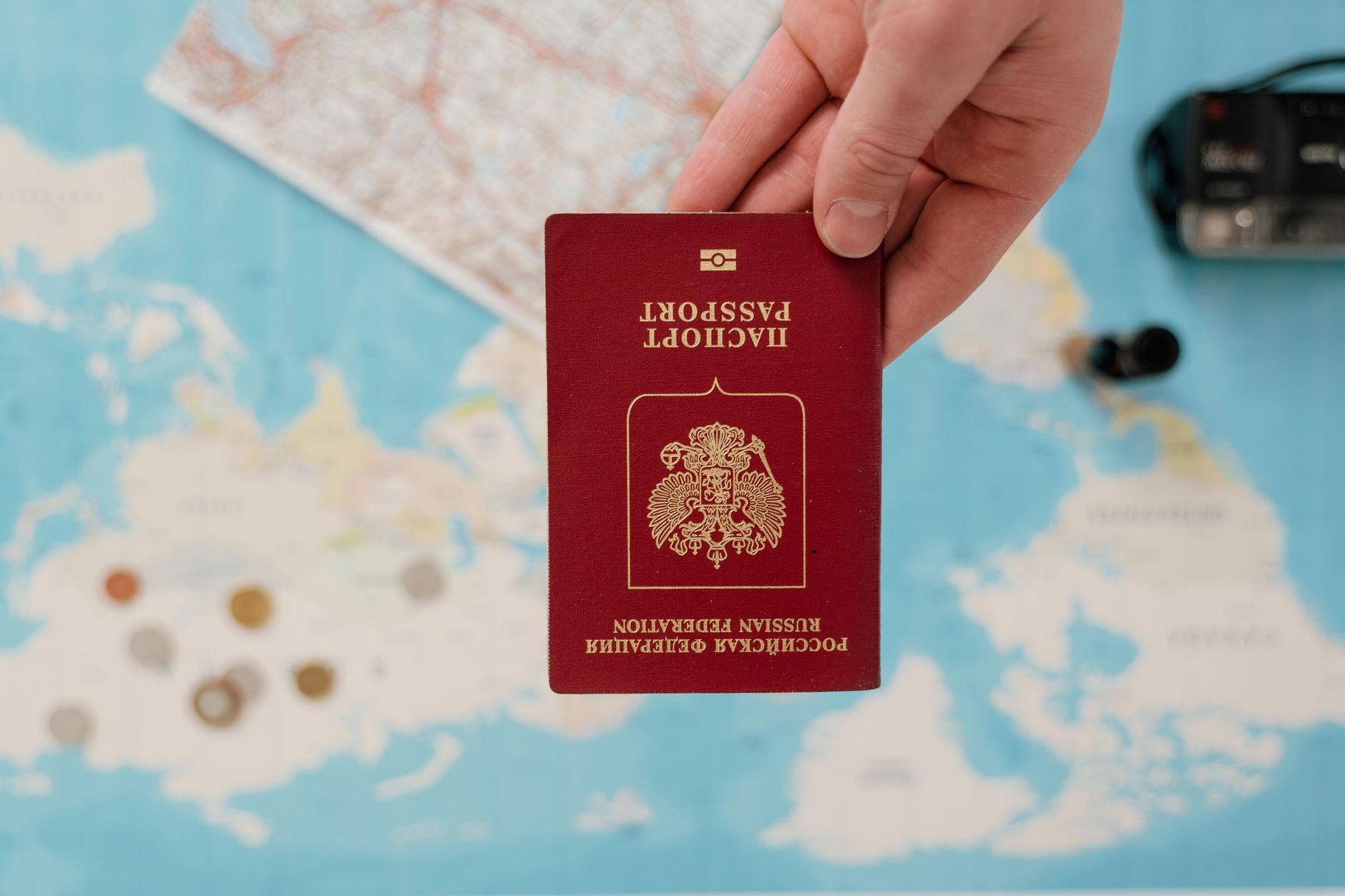
Thailand has reaffirmed its commitment to attracting Indian tourists by continuing its visa-free entry policy, even as the Southeast Asian nation grapples with a significant downturn in overall tourist arrivals. The decision reflects India's importance as one of Thailand's fastest-growing source markets and signals confidence in the long-term recovery of travel between the two nations.
The New 30-Day Rule Explained
Under the revised regulations, Indian passport holders can now enter Thailand without a visa and stay for up to 30 days per visit. This represents an extension from the previous 15-day visa-free allowance that was in place earlier. The change makes Thailand more competitive with other regional destinations and provides travelers with greater flexibility for both leisure and business purposes.
The extended stay period allows visitors to explore multiple regions of Thailand without rushing through itineraries. Travelers can now comfortably visit Bangkok's temples and markets, spend time on southern beaches, explore northern mountain towns like Chiang Mai, and experience the country's rich cultural heritage without worrying about tight time constraints.
Why Thailand Values Indian Tourists
India has emerged as a critical market for Thailand's tourism industry over the past decade. Indian travelers typically spend generously on shopping, dining, and entertainment, making them economically valuable visitors. Additionally, Thailand's Buddhist heritage, street food culture, shopping districts, and tropical beaches align well with Indian traveler preferences.
The timing of Indian holidays and Thailand's peak seasons also complement each other well. Many Indian families travel during summer vacations and festival periods, helping Thailand maintain steady visitor numbers during shoulder seasons when European and East Asian arrivals might be lower.
Impact on Different Types of Travel
The 30-day visa-free provision reshapes various travel scenarios. Leisure travelers can now plan more comprehensive trips without the expense and paperwork of visa applications. Multi-city tours combining Bangkok, Phuket, Krabi, and Pattaya become more feasible within a single visit.
For business travelers, the extended stay facilitates longer negotiations, factory visits, trade fair attendance, and relationship-building activities without requiring business visa applications. This particularly benefits small and medium enterprises that might find visa processes administratively burdensome.
Medical tourists seeking Thailand's renowned healthcare facilities can also benefit, as many treatments and recovery periods fit comfortably within the 30-day window. Thailand has become a popular destination for cosmetic procedures, dental work, and specialized medical treatments among Indian patients.
Tourism Decline and Recovery Strategies
Despite maintaining favorable policies for Indian visitors, Thailand has experienced a broader tourism decline attributed to multiple factors including global economic uncertainty, increased competition from emerging destinations, and changing travel patterns post-pandemic. Some Indian travelers have diversified their choices, exploring alternatives like Vietnam, Indonesia, and domestic Indian destinations.
Thailand's decision to maintain and enhance visa-free access for Indians demonstrates a strategic bet on market recovery. The country is counting on pent-up demand, improved air connectivity, and competitive pricing to win back market share.
Practical Considerations for Travelers
Indian travelers should note that while entry is visa-free, certain requirements remain. Visitors must hold passports valid for at least six months, possess onward travel tickets, and demonstrate adequate financial means for their stay. Immigration officials may request proof of accommodation and sufficient funds, though checks are typically routine.
The 30-day limit is per entry rather than cumulative, meaning travelers who exit and re-enter Thailand can potentially receive another 30-day stamp. However, immigration authorities monitor patterns to prevent misuse of tourist privileges for unauthorized long-term stays or work.
Looking Ahead
Thailand's tourism authorities are coupling the visa-free policy with aggressive marketing campaigns in India, partnerships with Bollywood productions for film shooting locations, and tailored packages for Indian travelers. The country is also improving vegetarian food availability, Hindi signage in tourist areas, and cultural sensitivity training for service providers.
The success of this strategy will depend on factors beyond visa policies alone, including flight frequency and pricing, perceived value for money, safety considerations, and competition from other destinations. Nevertheless, the extended visa-free stay represents a significant goodwill gesture that removes barriers and signals Thailand's genuine interest in welcoming Indian visitors.
This article provides general information about Thailand's visa policies for Indian travelers. Travelers should verify current entry requirements with official Thai embassy sources or consulates before making travel plans, as immigration policies can change.
===END===