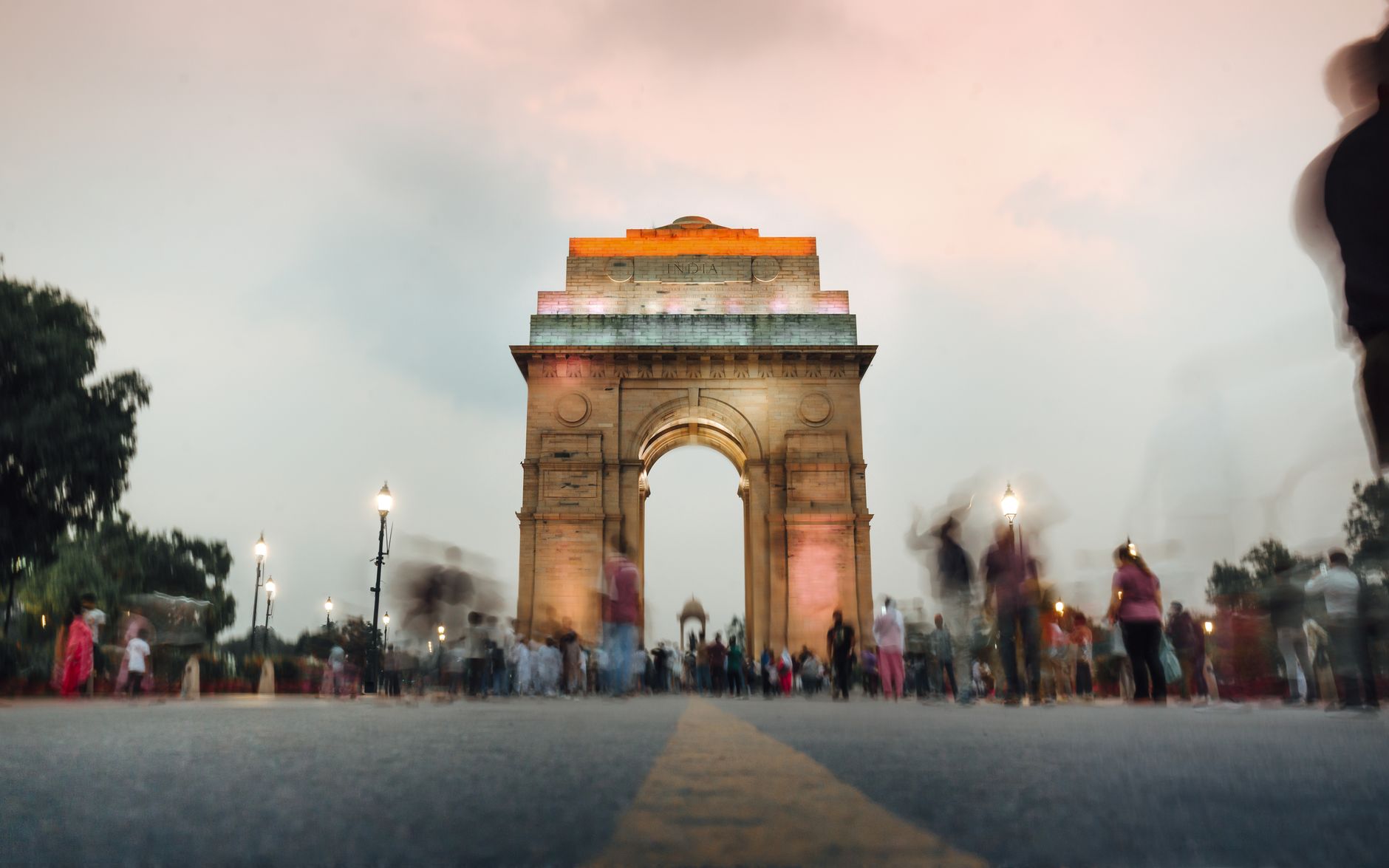
India's tourism industry stakeholders are making a strong push for comprehensive policy reforms aimed at transforming the country into a more accessible and traveler-friendly destination. As the sector recovers from pandemic disruptions and seeks to capture a larger share of global tourism spending, industry representatives are identifying critical areas where government intervention could unlock significant growth potential.
The Case for Visa Reforms
Among the most pressing demands is a complete overhaul of India's visa regime. Currently, tourists from many countries face complex application processes, limited visa-on-arrival options, and lengthy processing times that compare unfavorably with competing destinations in Southeast Asia and the Middle East. Industry experts argue that expanding e-visa facilities to more nationalities, extending the duration of tourist visas, and introducing multiple-entry options could dramatically increase footfall.
Countries like Thailand and Indonesia have demonstrated how simplified visa policies can boost tourist arrivals within months of implementation. Tourism operators believe India could see similar results by reducing paperwork requirements and making the digital application process more intuitive for international visitors.
Infrastructure Challenges
Beyond visa issues, the industry is highlighting gaps in tourism infrastructure that affect the overall visitor experience. Inadequate connectivity to secondary tourist destinations, limited availability of quality accommodations outside major cities, and poor last-mile transport options remain significant pain points.
- Better road and rail connectivity to heritage sites and natural attractions
- Development of tourism circuits that link multiple destinations
- Improved airport facilities in tier-2 and tier-3 cities
- Enhanced digital infrastructure for online bookings and payments
- Modernization of tourist information centers and wayfinding systems
These infrastructure improvements require coordinated efforts between central and state governments, along with private sector investment incentivized through policy measures.
Regulatory Streamlining
Tourism businesses are also seeking rationalization of multiple regulatory requirements that currently govern the sector. Hotel operators, tour companies, and travel agents often navigate overlapping jurisdiction between different government departments, leading to compliance burdens and delays in obtaining necessary permits.
A single-window clearance system for tourism-related businesses has been proposed as a solution. This would consolidate various approvals under one authority, reducing the time and cost of starting or expanding tourism ventures. Several states have experimented with such systems, but industry leaders want a nationwide standard approach.
Skills Development and Service Quality
Another area requiring policy attention is workforce development. As India aims to compete globally, service quality standards need improvement across hotels, restaurants, transportation services, and tourist attractions. The industry is requesting government support for hospitality training programs, certification courses, and skill upgradation initiatives that can create a larger pool of trained professionals.
Particular emphasis is being placed on language training, cultural sensitivity, and digital literacy to ensure tourism workers can effectively serve diverse international clientele.
Sustainable Tourism Framework
Forward-thinking industry players are also advocating for policies that promote sustainable tourism practices. This includes guidelines for eco-friendly accommodations, waste management protocols at tourist sites, and capacity limits at environmentally sensitive destinations. While such regulations might seem restrictive, industry leaders recognize that long-term viability depends on preserving India's natural and cultural heritage.
Marketing and Promotion
The tourism sector is seeking increased government investment in international marketing campaigns that can position India competitively against other destinations. Despite having diverse offerings from beaches to mountains, wildlife to heritage sites, India's share of global tourist arrivals remains modest. Coordinated branding efforts, participation in international travel fairs, and digital marketing initiatives could enhance visibility.
Economic Impact Potential
The stakes are high for these reforms. Tourism contributes significantly to employment, foreign exchange earnings, and regional development. With proper policy support, industry estimates suggest India could double its international tourist arrivals within five years, creating millions of jobs and generating substantial economic activity in regions beyond metropolitan centers.
The industry's pitch for policy fixes comes at a time when global travel is rebounding strongly, with tourists actively seeking new experiences and destinations. By addressing visa complexities, infrastructure gaps, and regulatory hurdles, India has an opportunity to capture a larger share of this growing market and establish itself as a premier global tourism destination.