The global travel and tourism industry is entering a period of unprecedented growth, with projections indicating it will expand at a rate 1.5 times faster than the broader global economy over the coming decade. This forecast represents not just a recovery from pandemic-era disruptions, but a fundamental shift in how people prioritize experiences and mobility in their lives.
Understanding the Growth Trajectory
The accelerated growth rate means that while the global economy may expand at an average of 2-3 percent annually, the travel sector could see growth rates approaching 4-5 percent or higher during the same period. This disparity reflects several converging trends that are reshaping consumer behavior and business operations worldwide.
The sector's resilience has been remarkable. After experiencing its worst crisis in modern history during 2020-2021, travel and tourism has demonstrated an extraordinary ability to bounce back, with pent-up demand driving bookings to record levels in many markets.
Key Drivers Behind the Boom
Several factors are fueling this exceptional growth forecast:
- Rising middle-class populations in emerging economies, particularly across Asia and Africa, creating millions of new travelers
- Younger generations prioritizing experiences over material possessions, with travel high on their spending lists
- Remote work flexibility enabling extended stays and "workations" that blend business and leisure
- Improved connectivity and reduced travel costs making international trips more accessible
- Growing wellness and sustainable tourism segments attracting premium spending
The digital transformation of the industry has also played a crucial role. Online booking platforms, virtual tours, and AI-powered personalization have made trip planning more convenient and tailored to individual preferences than ever before.
India's Strategic Position
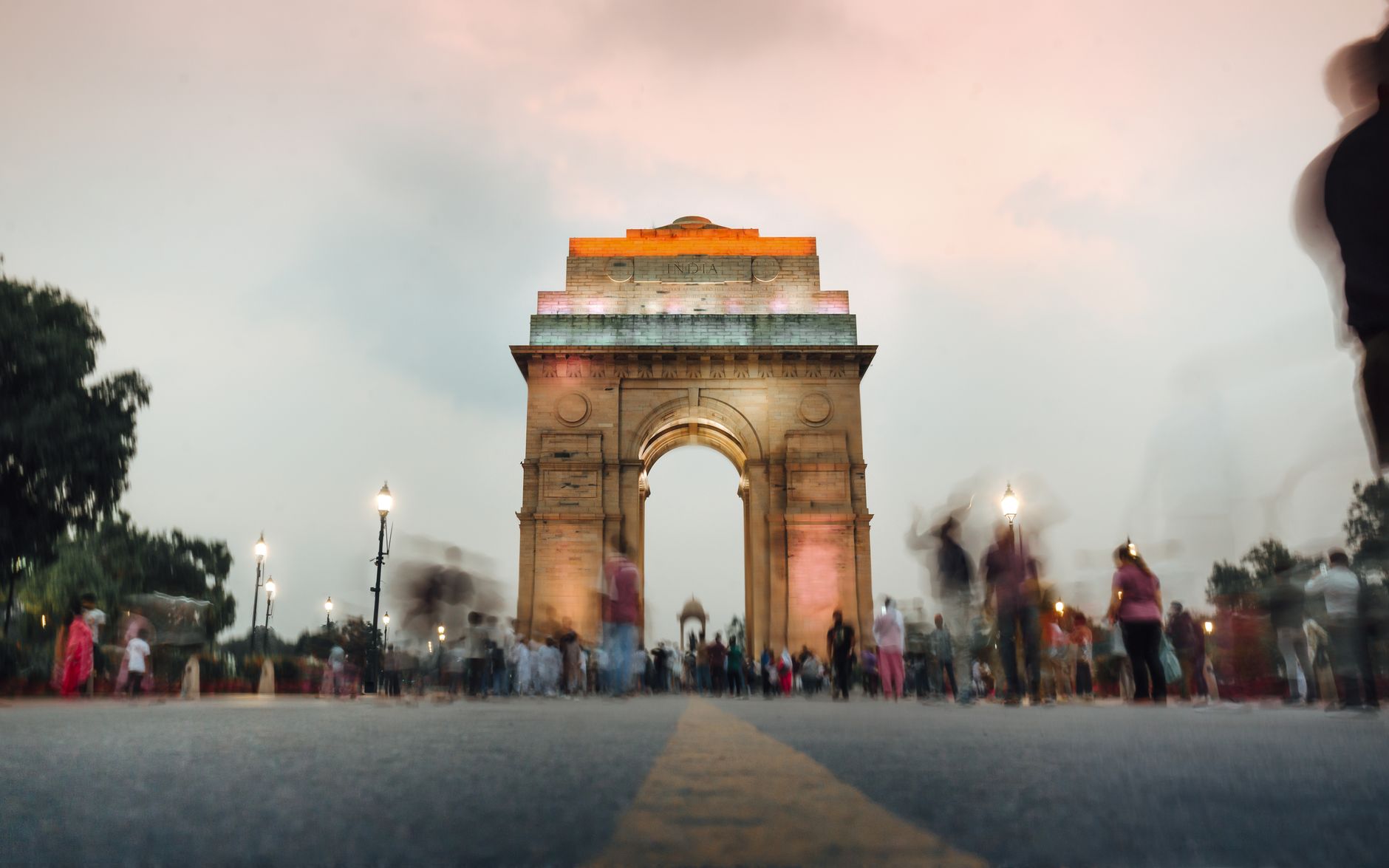
For India, these projections hold particular significance. The country stands poised to benefit enormously from both inbound and domestic tourism growth. With its diverse cultural heritage, natural landscapes, and improving infrastructure, India is attracting increasing numbers of international visitors while its own citizens are traveling more within the country.
The Indian government's focus on developing tourism infrastructure, simplifying visa processes, and promoting lesser-known destinations is aligning well with global trends. Domestic tourism, which accounts for the bulk of India's travel economy, is expected to surge as disposable incomes rise and connectivity improves to tier-2 and tier-3 cities.
Economic Impact and Employment
The projected growth translates into substantial economic benefits beyond just tourism receipts. The sector's multiplier effect touches numerous industries:
- Hospitality and accommodation services
- Food and beverage businesses
- Transportation and logistics
- Retail and entertainment
- Construction and real estate
Employment generation remains one of tourism's most significant contributions. The sector is labor-intensive and creates opportunities across skill levels, from entry-level positions to specialized professional roles. Millions of jobs are expected to be created globally as the industry expands.
Challenges and Considerations
Despite the optimistic outlook, the industry faces several challenges that could impact growth trajectories. Climate change concerns are prompting calls for more sustainable tourism practices, potentially affecting certain destinations and travel patterns. Over-tourism remains a problem for popular locations, requiring better management and distribution of visitor flows.
Geopolitical tensions, economic uncertainties, and potential health crises could also create temporary disruptions. The industry's dependence on discretionary spending makes it vulnerable to economic downturns, though its resilience has been proven time and again.
Technology and Innovation
The next decade will see technology playing an even greater role in shaping travel experiences. Artificial intelligence, virtual reality, and blockchain technologies are expected to revolutionize everything from booking processes to in-destination experiences. Sustainable aviation fuels and electric vehicles could help address environmental concerns while maintaining growth momentum.
Looking Ahead
The forecast of 1.5x faster growth than the global economy represents both an opportunity and a responsibility for the travel industry. Stakeholders must balance expansion with sustainability, ensuring that growth benefits local communities and preserves the natural and cultural assets that make destinations attractive in the first place.
For travelers, this growth means more choices, better services, and increasingly competitive pricing. For businesses, it signals robust investment opportunities in a sector demonstrating remarkable dynamism and adaptability.