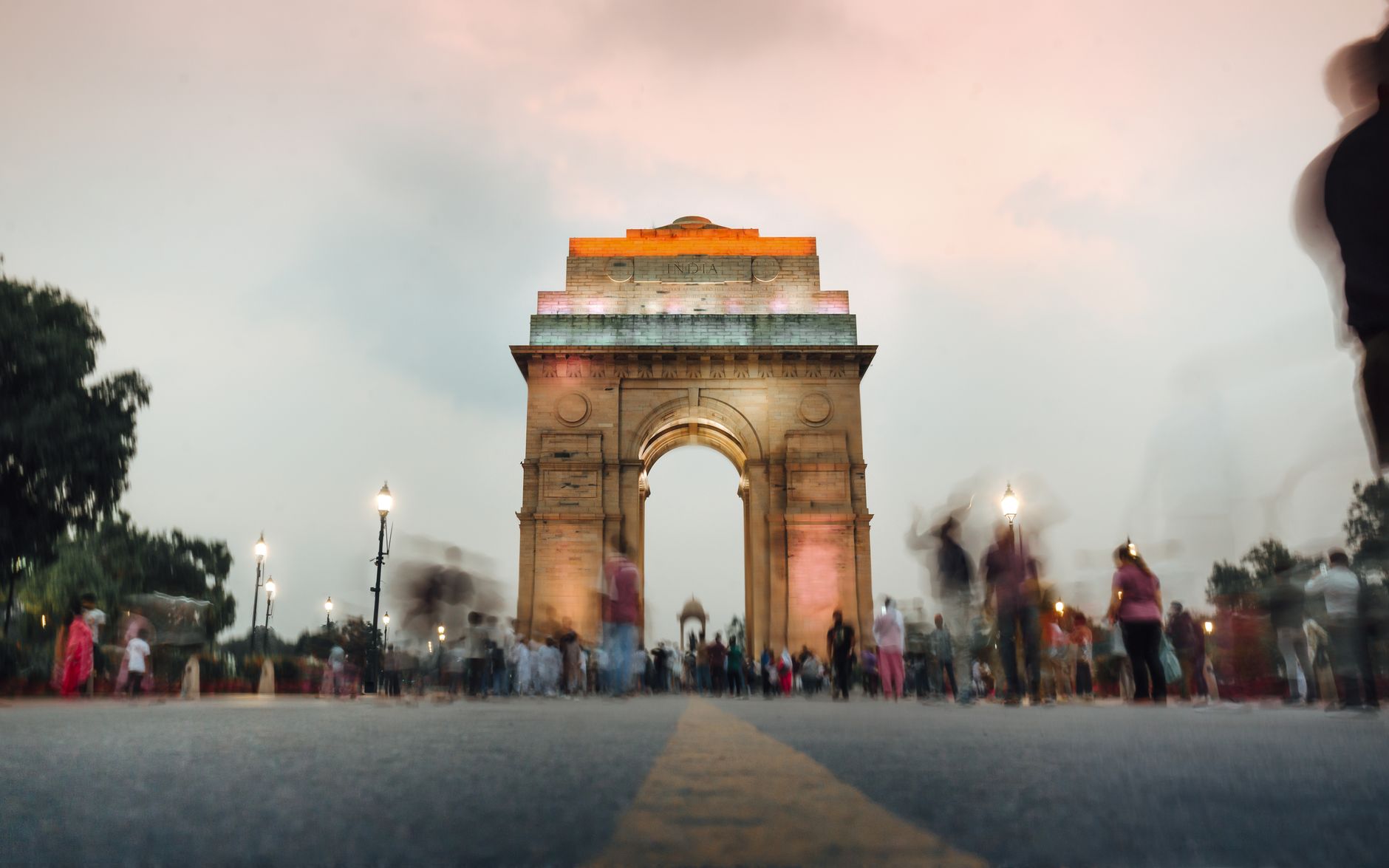
The global tourism industry is undergoing a fundamental transformation. Travelers are increasingly moving away from traditional package tours and cookie-cutter itineraries toward immersive experiences that connect them deeply with destinations. This shift toward experiential travel represents a significant opportunity for countries with authentic cultural offerings, and India stands at the forefront of this revolution.
What Is Experiential Travel
Experiential travel prioritizes active participation and authentic engagement over passive observation. Rather than simply visiting monuments or lounging at resorts, experiential travelers seek to understand local cultures through hands-on activities, meaningful interactions with communities, and unique adventures that create lasting memories.
This might include learning traditional cooking techniques from a village grandmother in Rajasthan, participating in a yoga retreat in Rishikesh, working alongside artisans in Jaipur's textile workshops, or staying with tribal communities in Northeast India. The emphasis is on doing, learning, and connecting rather than merely seeing.
Why India Has a Competitive Advantage
India's diversity is unmatched globally. With 28 states and 8 union territories, each region offers distinct languages, cuisines, traditions, festivals, and landscapes. This variety means travelers can have entirely different experiences within the same country.
The depth of India's cultural heritage spans thousands of years. From ancient Vedic traditions to classical dance forms, architectural wonders, and spiritual practices, India offers authenticity that cannot be replicated elsewhere. Many traditions remain living practices rather than museum exhibits, allowing visitors genuine participation.
India's geographical diversity is equally compelling. The Himalayan mountains in the north, tropical beaches in the south, desert landscapes in the west, and lush forests in the east provide settings for adventure sports, wildlife encounters, and nature-based experiences that complement cultural immersion.
The Growing Infrastructure for Experiential Tourism
India has been developing infrastructure specifically designed for experiential travelers. Homestay networks have expanded across rural areas, allowing tourists to live with local families. Community-based tourism initiatives empower villages to share their traditions while generating income.
Specialized tour operators now offer curated experiences like heritage walks through old city quarters, farm-to-table culinary journeys, textile and craft trails, wellness retreats combining traditional medicine systems, and adventure activities from trekking to river rafting.
State tourism boards have recognized this trend and are promoting experiential offerings. Initiatives highlighting rural tourism, tribal tourism, and sustainable tourism practices are gaining traction.
Economic Benefits Beyond Traditional Tourism
Experiential travel typically generates higher per-tourist revenue than conventional tourism. These travelers stay longer, spend more on local services, and distribute their spending more widely across communities rather than concentrating it in hotel chains and established restaurants.
This model particularly benefits rural areas and small businesses. Artisans, farmers, local guides, and small accommodation providers gain direct income. This economic distribution helps preserve traditional livelihoods and skills that might otherwise disappear.
Challenges That Need Addressing
Despite its advantages, India must address several challenges to fully capitalize on experiential travel's potential. Language barriers can complicate authentic interactions, though this is gradually improving with better guide training and translation technology.
Infrastructure in rural areas, while improving, still requires significant development. Reliable transportation, clean accommodation options, and basic amenities need expansion without destroying the authenticity that attracts experiential travelers.
Quality control and standardization present ongoing challenges. Ensuring consistent service standards while maintaining authenticity requires careful balance and effective training programs for local communities participating in tourism.
The Post-Pandemic Context
The COVID-19 pandemic accelerated interest in experiential travel. Travelers now prioritize outdoor activities, smaller groups, and interactions with local communities over crowded tourist sites and large tour groups. This aligns perfectly with India's experiential offerings.
There is also growing interest in slower, more mindful travel. Rather than rushing through multiple destinations, travelers are spending more time in fewer places, deepening their understanding and connection. India's complexity rewards this approach.
Looking Forward
The experiential travel trend represents a sustainable path forward for Indian tourism. By leveraging its cultural richness, geographical diversity, and authentic traditions, India can attract higher-value tourists while preserving heritage and benefiting local communities.
Success will require continued investment in infrastructure, training, and marketing that highlights India's unique experiential offerings. With proper planning and execution, India can indeed emerge as a leading global destination in the experiential travel era, offering visitors transformative experiences they cannot find elsewhere.