The Public Distribution System (PDS) is one of India's largest welfare programs, designed to provide subsidized food grains to millions of vulnerable households. However, a common complaint across states is the substandard quality of ration rice distributed through fair price shops. Understanding why this happens requires examining multiple factors in the grain procurement and distribution chain.
The Procurement Challenge
The government procures rice and wheat from farmers at Minimum Support Prices (MSP) through agencies like the Food Corporation of India (FCI). While MSP is meant to ensure fair returns to farmers, the quality specifications for government procurement are often less stringent than those for commercial markets. Farmers naturally prefer selling their premium produce to private buyers who pay better prices for superior quality, reserving lower-grade grain for government purchase.
This creates a fundamental mismatch where the PDS receives grain that fails to meet premium market standards. The problem is compounded in regions where procurement infrastructure is weak and quality testing at mandis remains inadequate.
Storage and Handling Issues
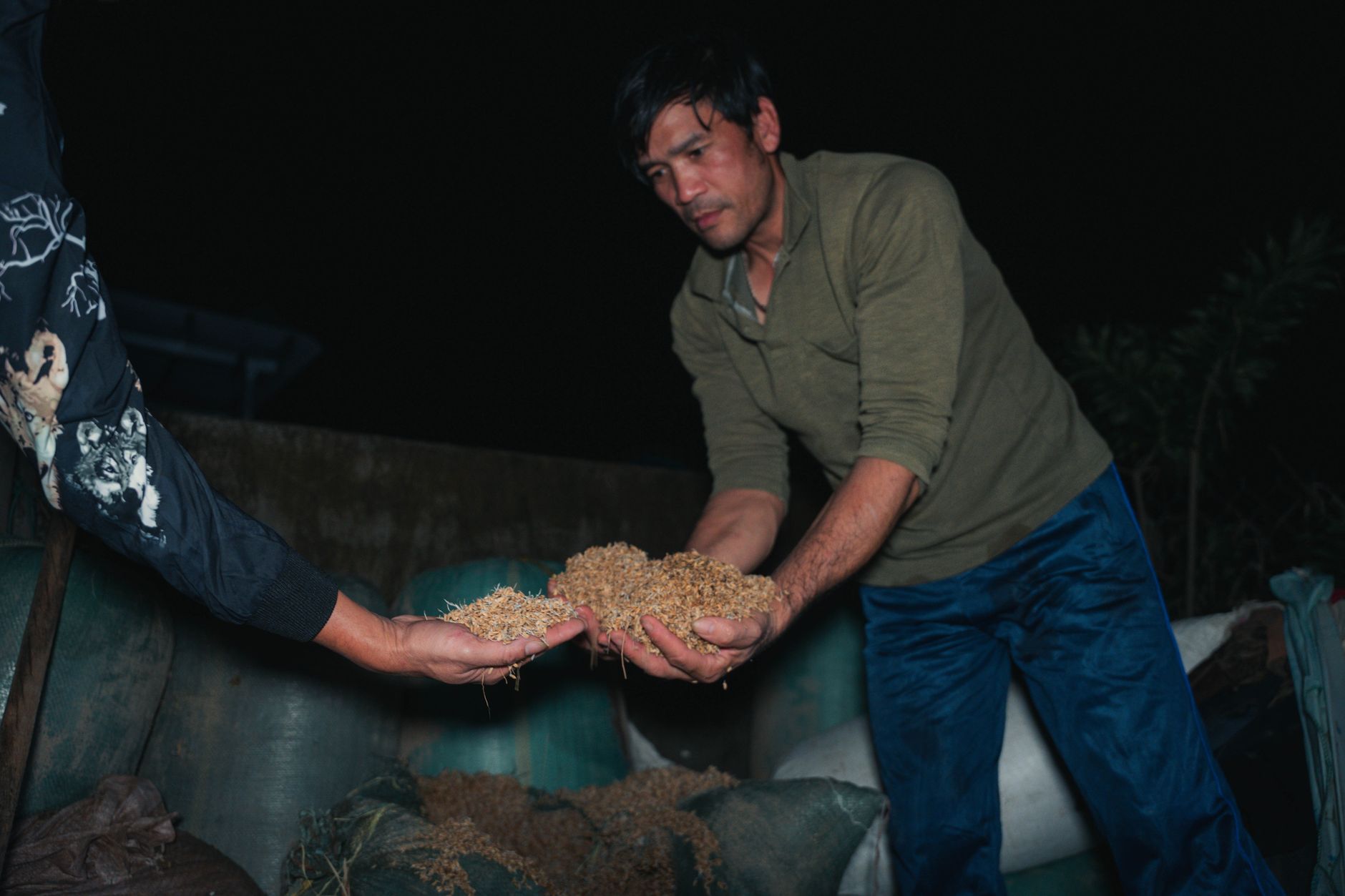
Once procured, food grains must be stored in FCI warehouses before distribution. India faces chronic shortages of proper storage facilities, forcing authorities to stack grain in temporary structures or even in the open under tarpaulin covers. Extended storage periods, especially during monsoons, lead to deterioration through moisture absorption, fungal growth, and pest infestation.
The transportation network adds another layer of degradation. Grain often travels long distances through multiple handling points before reaching fair price shops. Each transfer increases the risk of contamination, mixing with debris, and exposure to unhygienic conditions.
The Economics of Subsidized Distribution
The PDS operates on massive subsidies, with the government bearing the cost difference between procurement prices and issue prices charged to beneficiaries. This creates fiscal pressure to minimize costs at every stage. Spending on quality enhancement measures, better storage infrastructure, or improved packaging often takes a backseat to simply maintaining supply volumes.
Fair price shop owners operate on thin margins from commission-based earnings. Without financial incentive to maintain quality, and facing pressure to clear allocated stocks regardless of condition, dealers may not prioritize proper storage at the retail level.
Leakage and Substitution Concerns
The PDS has historically suffered from leakage where intended beneficiaries receive less than their entitlement. In some cases, better quality grain is diverted to open markets, with inferior substitutes taking its place in the ration supply. While digitization and Aadhaar-linking have reduced such malpractices, they haven't been eliminated entirely.
The lack of effective grievance redressal mechanisms means beneficiaries often have little recourse when receiving poor quality grain. For those dependent on PDS rations, rejecting substandard grain may not be practical, creating a cycle where quality concerns go unaddressed.
Impact on Beneficiaries and Food Security
Poor quality ration rice affects vulnerable populations most severely. Nutritional value diminishes in degraded grain, undermining the program's food security objectives. Some beneficiaries resort to selling their PDS allocation in the market at discounted prices and purchasing better quality rice commercially, defeating the subsidy's purpose.
This situation also creates perverse investment behavior. Wealthier households avoid the PDS despite eligibility, preferring to purchase from the open market. This reduces political pressure for quality improvements, as those with voice and influence aren't affected by the problem.
Potential Solutions
Several states have experimented with reforms to address quality issues. Direct benefit transfer schemes that provide cash instead of grain give beneficiaries purchasing power to choose their suppliers. Strengthening quality testing protocols at procurement points can prevent substandard grain from entering the system.
Investment in modern storage infrastructure, including silos with climate control, would reduce degradation during warehousing. Greater transparency through technology, including photo-documentation of grain quality at delivery points, could increase accountability.
Creating competitive incentives for fair price shops based on customer satisfaction ratings might motivate better handling practices at the retail end of the distribution chain.
The quality of PDS rice reflects broader challenges in implementing welfare programs at scale. While the system successfully prevents starvation for millions, achieving both quantity and quality objectives requires sustained investment in infrastructure, monitoring systems, and accountability mechanisms that prioritize beneficiary welfare over administrative convenience.