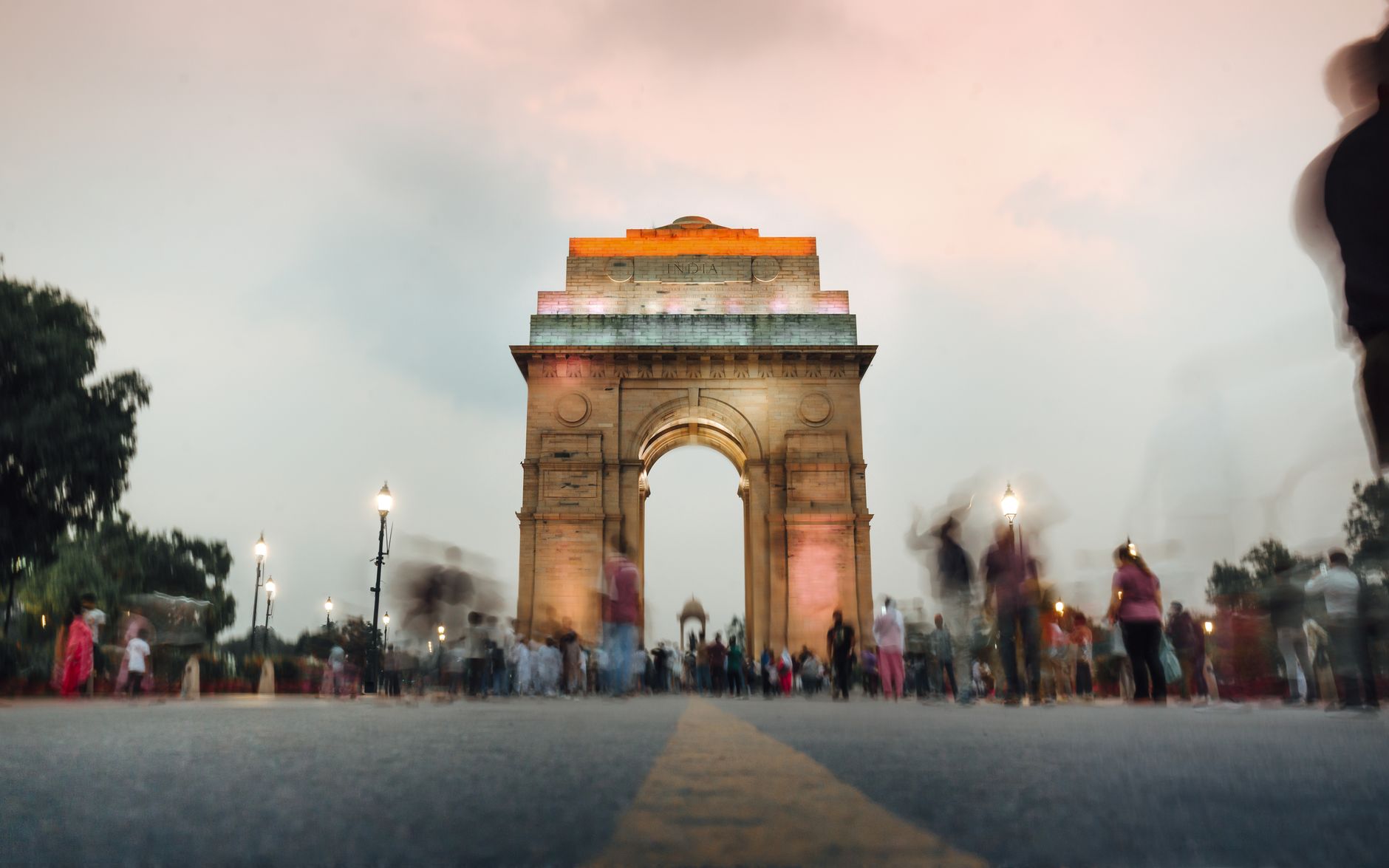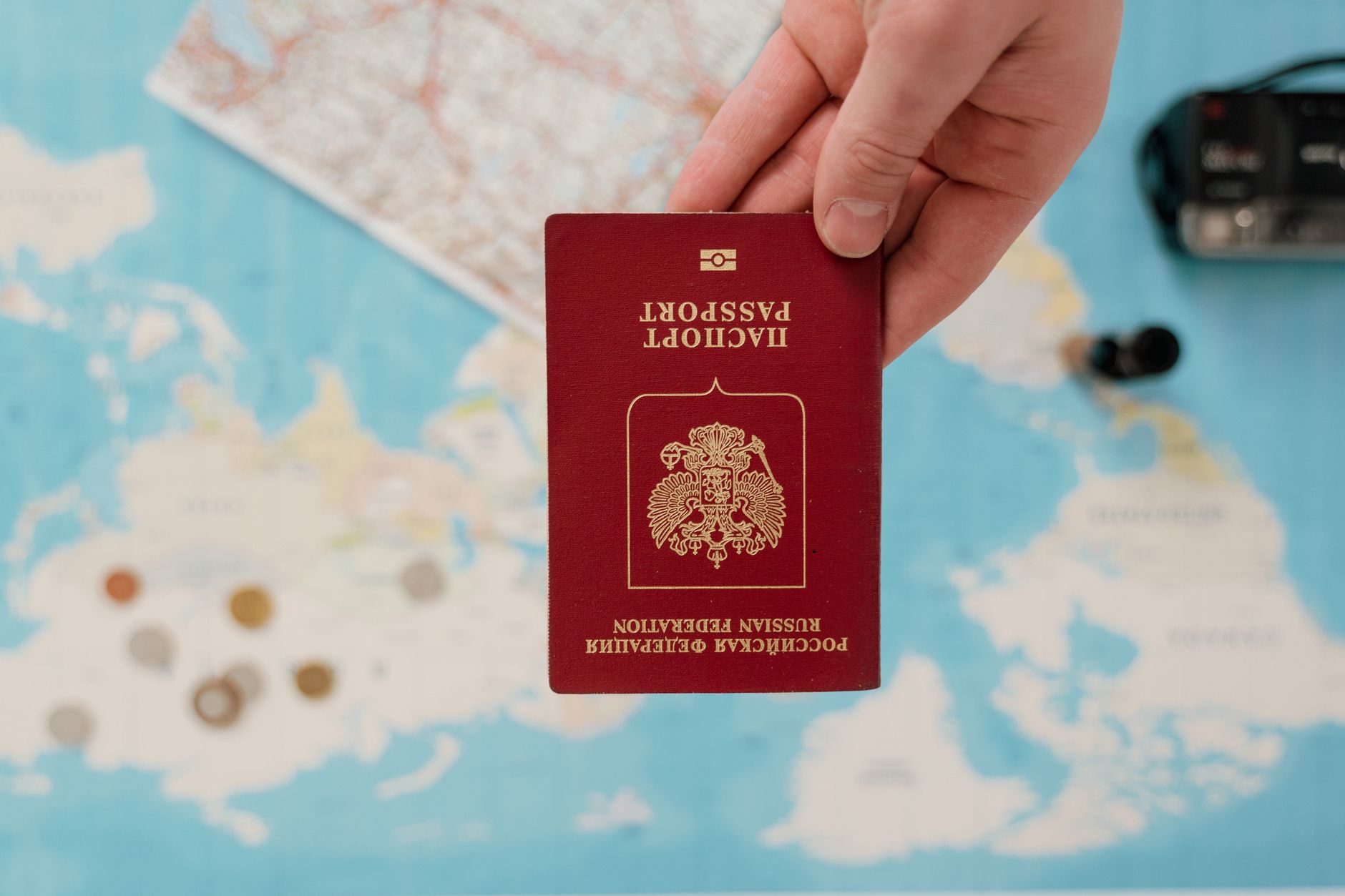
The World Travel & Tourism Council (WTTC), a global forum representing the private travel and tourism sector, has issued fresh recommendations for India to enhance its position as a premier tourist destination. The call focuses on two critical areas: reforming visa procedures and ramping up investments in tourism infrastructure and services.
Why Visa Reforms Matter for India
India's visa system has long been identified as a bottleneck for international travelers. While the country introduced e-visa facilities in 2014, which marked a significant improvement, challenges remain. Processing times can be unpredictable, categories are sometimes confusing, and certain nationalities face more stringent requirements than others.
WTTC's position emphasizes that seamless visa access directly correlates with tourism arrivals. Countries that have simplified their entry requirements—such as Thailand, Vietnam, and the UAE—have seen substantial increases in visitor numbers and tourism revenue. For India, which welcomed approximately 6.19 million foreign tourists in 2022 (still recovering from pandemic lows), there is enormous room for growth.
The organization likely advocates for measures such as expanding visa-on-arrival options, extending e-visa validity periods, and creating more flexible multi-entry provisions. Business travelers and digital nomads, in particular, benefit from streamlined processes that allow spontaneous or frequent visits.
The Infrastructure Investment Gap
Beyond entry procedures, WTTC's call for greater investment addresses India's infrastructure challenges. Despite possessing world-class heritage sites, diverse landscapes, and rich cultural experiences, India's tourism infrastructure often lags behind international standards in key areas.
Transportation connectivity remains uneven. While major cities like Mumbai, Delhi, and Bangalore have improved their airport facilities, many tourist destinations lack adequate air, rail, or road connections. Hill stations, coastal areas, and heritage sites in tier-two and tier-three cities often struggle with accessibility issues that deter international visitors who have limited time.
Accommodation standards also vary widely. Outside major metros and established tourist circuits like Rajasthan's Golden Triangle or Kerala's backwaters, finding internationally certified hotels with consistent service quality can be challenging. This affects India's ability to attract premium travelers and tour operators who require reliable accommodation options.
Economic Potential of Tourism Growth
The economic argument for these reforms is compelling. Travel and tourism contributed approximately 5.8% of India's GDP in recent pre-pandemic assessments, with the potential to reach much higher levels. The sector is also labor-intensive, creating jobs across skill levels—from hospitality and guiding to transportation and handicrafts.
WTTC data suggests that tourism's multiplier effect is particularly strong in developing economies. Every rupee spent by tourists generates additional economic activity in food supply chains, construction, retail, and cultural services. For a country focused on employment generation and inclusive growth, tourism offers a relatively quick-win sector.
Regional development is another benefit. Unlike manufacturing or IT services that cluster in specific zones, tourism can spread economic activity to rural and remote areas. States like Uttarakhand, Himachal Pradesh, and northeastern states could significantly boost their economies through better-developed tourism ecosystems.
What Comprehensive Tourism Investment Looks Like
Investment needs extend beyond physical infrastructure. Digital infrastructure for tourism—including multilingual travel apps, digital payment systems at tourist sites, and online booking platforms for lesser-known destinations—requires attention. Cleanliness and sanitation facilities, particularly public toilets at tourist sites, remain a persistent concern for international visitors.
Training and skill development for tourism professionals is equally crucial. From guides who can communicate effectively in multiple languages to hospitality staff trained in international service standards, human capital development determines visitor experience quality.
Marketing and destination branding also require sustained investment. India competes with countries that spend heavily on international tourism promotion. A coordinated national strategy that highlights India's diversity while addressing practical concerns could significantly enhance the country's tourism appeal.
Moving Forward
The WTTC's recommendations align with India's own national tourism policy objectives, which recognize the sector's economic potential. Implementation, however, requires coordination across multiple ministries—home affairs for visas, transport for connectivity, culture for heritage site management, and tourism itself.
State governments also play crucial roles, as tourism is a concurrent subject under India's constitution. Success stories from states like Kerala and Gujarat, which have invested systematically in tourism infrastructure and marketing, offer replicable models.
As global tourism rebounds post-pandemic, India has a window of opportunity to capture a larger share of international travel spending. The combination of visa reforms to ease entry and infrastructure investments to enhance experience could position India as a top-tier destination capable of competing with established Asian tourism leaders.